
Last updated October 16, 2026
 Water damage drying
 Fire & smoke cleanup
 Mold remediation
 Storm response
 Sewage cleanup
 Reconstruction
Free visual inspection and a written scope of work before any mitigation begins - photos, moisture readings, and drying logs go in your claim file
The scope we write is the scope we bill. Anything new gets shown to you, in writing, before we touch it.
Get your free estimateDIY vs Professional Damage Restoration: The Pasadena Homeowner’s Decision Guide
Here’s something most homeowners don’t realize until it’s too late: California law doesn’t require you to hire a contractor to work on your own house, but it absolutely requires proper documentation when that work touches an insurance claim, a future resale disclosure, or a rental unit’s habitability. Most water damage hits at least one of those three. This guide walks through the real math of the DIY-versus-professional decision in Pasadena, where stubborn clay soil, older housing stock, and a distinct wet season create restoration conditions you won’t find in a generic online tutorial; for year-round seasonal guidance, see our dedicated Pasadena resource.
Restoration work we handle
Quick Answer
DIY restoration is only safe for surface spills under 10 square feet that are fully dry within 24 hours and never touch drywall, insulation, or subfloor. Anything beyond that, in Pasadena, carries three specific risks that can cost more than professional help: failed drying that spreads damage, insurance claims denied for failure to mitigate, and mold liability if you’re a landlord. A professional moisture assessment costs about $250, and Marsh Water Damage Pasadena applies that fee toward the job if work is needed.
Table of Contents
- The Real Cost Equation of DIY Restoration
- When DIY Is Genuinely Appropriate
- Why a Box Fan Is Not Drying Equipment
- The Insurance Consequence Most DIYers Discover Too Late
- Rental Property and the Mold Liability Trap
- What a Professional Assessment Costs Versus What It Saves
- How Marsh Approaches Water Damage in Pasadena
- Common Mistakes to Avoid
- When to Call a Professional
- Frequently Asked Questions
- The Bottom Line
The Real Cost Equation of DIY Restoration
The DIY-versus-professional question is usually framed as a cost decision: “I can save $3,000 by doing this myself.” In Pasadena, the more accurate frame is a risk-transfer decision. When you hire a professional restoration company, you’re not just paying for labor and equipment. You’re transferring three specific risks: the risk that the structure looks dry but isn’t, the risk that your insurance company will later question your mitigation efforts, and the risk that mold appears six weeks from now and you’re on your own. Each of these three DIY outcomes can cost more than the original water damage would have cost to fix properly.
Here’s the breakdown most homeowners never see:
- Visible damage repair is usually the cheap part. Replacing a section of baseboard or repainting a wall might cost $400 to $800 in Pasadena’s current market.
- Hidden moisture is the expensive part. Water that wicked into the wall cavity or subfloor and was never properly dried leads to mold remediation that typically runs $2,000 to $6,000 in Pasadena, depending on square footage and containment requirements.
- The insurance denial is the catastrophic part. A claim denied for failure to mitigate means the entire repair cost shifts to you, often at the worst possible moment.
Seen this way, the question isn’t “can I afford a professional?” It’s “which risk do I want to carry?”
When DIY Is Genuinely Appropriate
There are exactly two scenarios where we tell Pasadena homeowners that DIY is the right call, no caveats. In our experience, anything beyond these two situations is where the trouble starts.
Scenario One: The Small Surface Spill
A spilled pitcher of water on a tile floor. A dog bowl knocked over on a linoleum kitchen floor. A small leak from a windowsill during a rainstorm that pooled on a hard surface and never touched drywall. These are surface spills. The rule of thumb we use: if the affected area is under 10 square feet, the water never reached drywall, insulation, or subfloor, and you can get it fully dry within 24 hours, then a towel and a fan are legitimately sufficient. You don’t need professional equipment for a puddle on tile.
What makes this work: hard surfaces don’t absorb water. Tile, linoleum, sealed concrete, and vinyl plank don’t wick moisture. If the water stayed on top of these materials and didn’t run under baseboards or into a wall cavity, there’s nothing for it to hide in.
Scenario Two: The Contained Appliance Leak on Hard Flooring
A washing machine supply line that dripped onto a concrete garage floor. A dishwasher that leaked a quarter inch of water onto vinyl sheet flooring in a kitchen with no adjacent carpet. These are contained leaks on non-porous surfaces. The key word is contained: the water didn’t migrate. If you caught it early, wiped it up, and can verify with a simple moisture meter (a $35 tool from any hardware store) that the surrounding materials read dry, professional help isn’t needed.
But here’s the line we draw in Pasadena specifically: if the water touched any drywall, any insulation, any subfloor, any carpet pad, or ran under baseboards, you’re no longer in DIY territory. Those materials are hygroscopic. They pull moisture inward like a sponge and then release it slowly, often into cavities you can’t see. The 24-hour clock matters because mold germination in Pasadena’s climate can begin in as little as 24 to 48 hours when relative humidity stays above 60 percent, which is common during our wet season and even during marine layer mornings in June.
Why a Box Fan Is Not Drying Equipment
Every hardware store in Pasadena rents or sells box fans, and it’s easy to assume that blowing air on a wet spot is “drying” it. It’s not. The difference is measurable, and it matters.
A standard box fan moves somewhere between 1,000 and 2,000 cubic feet per minute (CFM) of air, depending on the model. That sounds impressive until you understand what it’s actually doing. A box fan pushes ambient air around the room in a broad, unfocused pattern. It doesn’t create meaningful air pressure against the surface of a wet wall or floor. It doesn’t direct air into wall cavities or under cabinetry. And critically, if the ambient air in the room is already humid (which it will be, because you have standing water or wet materials releasing moisture into the space), the box fan is just moving wet air around. That wet air can actually spread moisture into unaffected areas, including dry rooms down the hall.
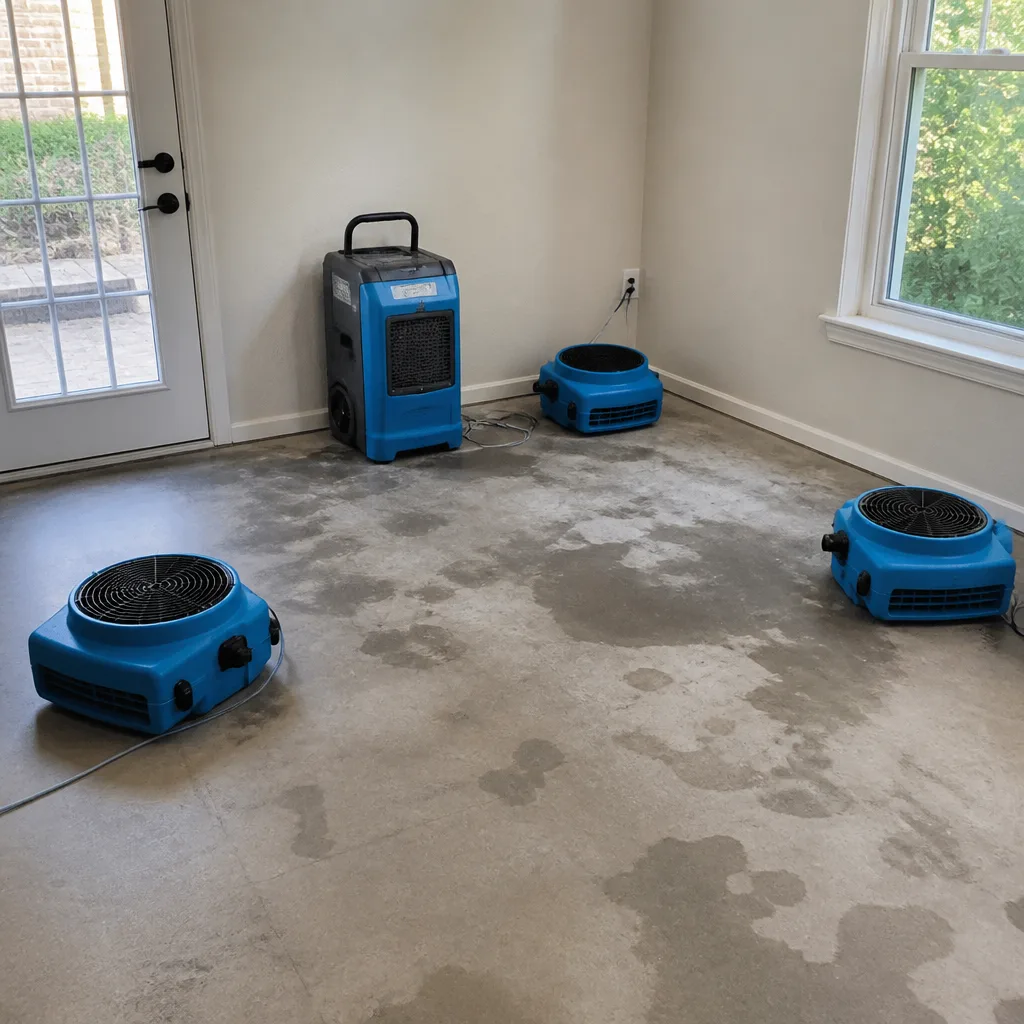
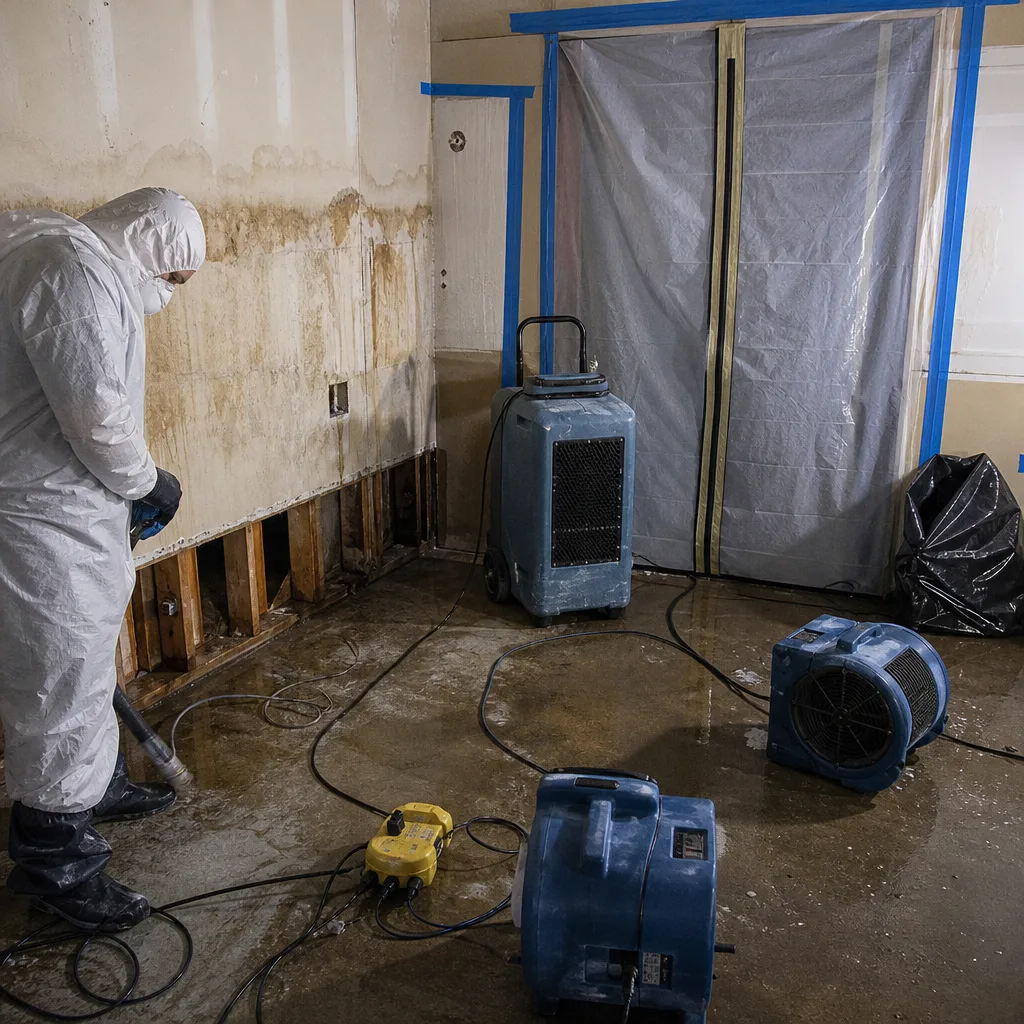
Professional restoration uses industrial air movers from manufacturers like Dri-Eaz and Phoenix that generate 1,600+ CFM of targeted airflow. These machines are engineered to create a vortex of high-velocity air across the surface of a wet material, accelerating evaporation at a rate a box fan physically cannot match. Pair that with a professional dehumidifier, which actively removes moisture from the air before the air recirculates, and you have a closed drying system. Without the dehumidifier, you’re not drying the structure. You’re just relocating moisture.
The term you’ll hear in the restoration industry is psychrometric drying. It sounds technical, but the concept is straightforward: we measure the temperature, relative humidity, and dew point of the air in your home, then calculate exactly how many air movers and dehumidifiers your specific size of water loss needs. We take psychrometric readings daily (that’s moisture-in-the-air measurement, in plain English) to track when the structure is genuinely dry, not just dry on the surface. Surface dryness without full structural dryness is the single most common DIY failure we see.
The Insurance Consequence Most DIYers Discover Too Late
This is the section that saves Pasadena homeowners real money, and it’s the one most online DIY guides never mention.
When water damage occurs, your insurance policy requires you to take “reasonable steps to mitigate further damage.” That’s standard language in virtually every homeowner’s policy in California. If you attempt DIY restoration and the structure does not fully dry, and mold appears two months later, and you file a claim, the insurance adjuster may determine that your DIY attempts were inadequate mitigation. That determination can lead to a denial of the subsequent mold claim on the grounds that the homeowner’s actions contributed to the damage.
Think about what that means. Your attempt to save money by skipping professional drying became the exact reason your insurance company denies coverage for the more expensive mold problem that followed. Insurance companies don’t deny these claims to be cruel. They deny them because the policy language is on their side: if the homeowner didn’t properly mitigate the initial loss, the resulting secondary damage (mold) is the homeowner’s responsibility, not the insurer’s.
This is not a theoretical risk. In Pasadena, where many homes were built before 1960 and have plaster walls, wood lath, and dimensional lumber framing, water that penetrates a wall cavity can sit against those materials for weeks. The surface may feel dry to the touch. The inside of the wall isn’t. Six weeks later, you smell something musty, you open the wall, and there’s mold on the lath. Now you have a remediation job that costs several times what the original drying would have cost, and if you didn’t document professional mitigation at the time of the original loss, your insurance company may not cover any of it.
Professional restoration creates a paper trail: moisture readings, drying logs, equipment placement records, and a final clearance report. In our experience, that documentation is often the difference between a claim that gets paid and a claim that gets denied.
Rental Property and the Mold Liability Trap
If you own a rental property in Pasadena, the DIY calculation changes completely. Here’s why.
California Civil Code Section 1941.1 establishes the implied warranty of habitability for rental dwellings. That code explicitly includes mold as a condition that can render a unit uninhabitable. When a tenant reports water damage and the landlord responds by doing DIY mitigation without professional documentation, the landlord has created a liability problem that can surface (literally) months later.
Here’s the scenario we’ve seen play out: a tenant reports water pooling near a sliding glass door during a winter storm. The landlord comes over, mops up, puts a fan on the wet carpet, and considers the matter closed. Three months later, the tenant reports a musty smell and visible mold on the baseboard. The landlord is now facing a habitability complaint, potential rent abatement, and repair costs that far exceed what the original professional drying would have cost. And because there’s no documentation from a professional that the original water event was properly mitigated, the landlord’s legal position is weak. In some cases, tenants have grounds to pursue claims under California habitability law, and mold in a rental unit is the kind of issue that personal injury attorneys specifically advertise for in Southern California.
This is precisely the situation where a threshold decision matters. For a few hundred dollars of professional assessment and drying, the landlord gets documentation that says “this water event was professionally mitigated.” That documentation is a defense. Without it, the landlord is relying on their own testimony against whatever a tenant’s attorney alleges.
What a Professional Assessment Costs Versus What It Saves
The biggest misconception in this entire conversation is that calling a professional means committing to a big bill. It doesn’t. You can get a professional moisture-mapping inspection in Pasadena for around $250, and that inspection answers the exact question every homeowner is agonizing over: “Is this a DIY job or not?”
Here’s how that math works. A moisture-mapping inspection uses professional-grade moisture meters and thermal imaging to determine exactly where water has migrated and how much moisture is present in building materials. The inspector tells you one of two things: either the damage is superficial and you can handle it with a fan and a towel, or the water has penetrated structural materials and needs professional drying.
Either answer is worth the money:
- If the answer is “DIY is fine”: you just spent $250 to eliminate the risk of guessing wrong. The cost of guessing wrong on a water event that turns out to be structural is measured in thousands.
- If the answer is “you need professional drying”: you now have a definitive answer rather than three more weeks of hoping the musty smell goes away.
Marsh Water Damage Pasadena does something specific here: the assessment fee is applied to the job cost if work is needed. So if the inspection determines that professional drying is required, the $250 isn’t an extra cost. It’s a deposit toward the work. That removes the financial reason to skip the assessment and guess.
We built this policy after watching too many Pasadena homeowners spend a week running box fans, then call us anyway when the baseboard started swelling. The $250 assessment would have told them on day one that the water had wicked into the drywall behind the baseboard. Instead, they spent a week convincing themselves it was drying, and the moisture kept moving.
How Marsh Approaches Water Damage in Pasadena
Marsh is low, wet ground. Water where it shouldn’t be. That’s the entire job description, and the name says it plainly. We’ve been doing this work in Pasadena since 2005, long enough to know this city’s specific water damage patterns: the winter storms that push water under doors on sloped lots in the San Rafael Hills, the summer AC condensate lines that overflow into ceilings in historic bungalows, the slab leaks in mid-century homes where copper pipe embedded in concrete eventually gives out.
Here’s what happens when you call us:
- A live person answers the phone. Not a voicemail, not a callback queue, not a chatbot. Someone picks up, 24 hours a day, every day including holidays. Water damage doesn’t wait for business hours, so our phones don’t shut off.
- We tell you exactly who is coming. Before a technician arrives, you receive their name and photo. They show up in uniform, and they show a photo ID badge at the door. This is the Threshold Verified standard, and it’s non-negotiable on every job, not just first impressions.
- We assess, then we price in writing. You get a written price before any work begins. Not an estimate that balloons after demo starts. Not a verbal quote that turns into something different when the crew unloads. A written number you can hold us to.
- We dry with commercial equipment, not rented fans. Our drying program uses equipment from Dri-Eaz, Phoenix, XPOWER, B-Air, and Injectidry. Injectidry is worth a specific mention: it’s a specialty drying system for hardwood floors and hardwood subfloors, and it’s the difference between saving a 1920s oak floor in a Pasadena Craftsman and ripping it out because surface drying warped it.
- We’re credentialed. Our technicians hold credentials through the IICRC, RIA, and IFA, the restoration industry’s recognized training and certification bodies. That’s the same standard applied to large commercial losses, and it means our drying decisions are based on established science, not guesses.
- We document everything. Moisture readings, drying logs, equipment placement, and a final clearance report. If you file an insurance claim, you have the paper trail that makes the process straightforward.
- We stand behind the work with a 365-Day Done Right Promise. If the repair is not right within a full year, we make it right. This is a documented, time-stamped guarantee printed on every work order. A free second visit is included automatically if the repair fails. It’s never something you have to argue for.
For a deeper look at our full water damage process, start with this guide: Water Damage Restoration in Pasadena. If you’re dealing with mold specifically, our Mold Remediation in Pasadena page covers containment, clearance testing, and what the remediation timeline looks like. And when the damage came from a storm event, see Storm Damage Restoration in Pasadena for what to do in the first hours after water enters your home.
Common Mistakes to Avoid
- Waiting to “see if it dries on its own.” In Pasadena’s climate, moisture inside wall cavities or under flooring does not dry on its own. The trapped humidity creates exactly the conditions mold needs. The 24-to-48-hour window is real.
- Using a household dehumidifier and calling it done. The small dehumidifier from a big box store removes about 20 to 30 pints of water per day. A professional low-grain refrigerant dehumidifier removes 80 to 130 pints per day. The difference is measured in how long your walls stay wet.
- Not pulling back carpet when water reached the pad. Carpet pad is one of the most absorbent materials in a home. It’s also one of the hardest to dry without professional equipment. If water reached the pad, the pad almost always needs to come out.
- Painting over a water stain without checking the drywall behind it. The stain means water got into the drywall. Painting over it hides the evidence but doesn’t remove the moisture. In Pasadena’s older homes with plaster on wood lath, this mistake is particularly costly because the trapped moisture sits against the lath and framing.
- Filing an insurance claim after DIY drying that didn’t fully resolve the issue. This is the failure-to-mitigate risk described above. By the time you file the claim, your DIY drying attempt is part of the record. If the structure wasn’t fully dried, the claim can be denied on that basis.
- Assuming all water is the same. Clean water from a supply line break is different from stormwater that entered through a foundation crack, which is different from sewage backup. The category of water determines what can be dried versus what must be removed. Treating category 3 water like category 1 water is a serious health risk.
- Overlooking the source of the water. Drying the visible damage without addressing the source means the water comes back the next time it rains or the next time you run the dishwasher. In Pasadena homes with aging cast iron sewer lines, a recurring backup is a signal that the pipe itself is failing, not a one-time blockage.
When to Call a Professional
Call a professional if any of these apply: water has touched drywall, insulation, subfloor, or carpet pad; the affected area exceeds 10 square feet; the water sat for more than 24 hours; the source is stormwater, sewage, or a long-running leak; you smell anything musty or earthy; you own a rental property; or you plan to file an insurance claim. Our water damage restoration maintenance checklist for Pasadena homeowners can help you stay ahead of these risks. None of these situations self-resolve, and waiting makes every one of them worse. Marsh Water Damage Pasadena offers free estimates in Pasadena. Call (626) 657-5106 and a live person will pick up.
Frequently Asked Questions
Most residential water extractions in Pasadena run between $1,200 and $4,500, with structural drying typically adding $1,500 to $3,500 depending on the number of affected rooms and the size of the drying system required. Mold remediation, if needed, typically runs $2,000 to $6,000 depending on square footage and containment requirements. Every Marsh job comes with a written price before work begins, and our $250 moisture-mapping assessment is applied to the job cost if work is needed. Call (626) 657-5106 for a free estimate.
Most of our Pasadena drying jobs complete in 3 to 5 days. That timeframe depends on the amount of water, the materials affected, and the ambient conditions in the home. We take daily psychrometric readings to track progress, and we don’t pull the equipment until the moisture content in the building materials matches the established dry standard for each material. We’ll give you a specific drying timeline in writing before we start.
It depends on your policy and the cause of the water damage. Most Pasadena homeowner policies cover sudden and accidental water damage, like a burst pipe or an overflowing appliance. Gradual leaks and flood events are typically excluded. The best way to know is to call your insurer immediately after the damage occurs. We document everything we do, including moisture readings and drying logs, and we coordinate directly with your adjuster to make the claims process as smooth as possible.
Mold spores can germinate within 24 to 48 hours when three conditions are present: moisture, a food source (organic material like drywall paper or wood), and the right temperature range. Pasadena’s climate often provides the temperature naturally, which is why the 24-hour drying window matters. Once mold has established, it spreads quickly, so the fastest, most cost-effective route is professional drying before mold gets a chance to start.
Your hand is a very poor moisture meter. A wall can feel completely dry to the touch while the inside of the cavity is still above 20 percent moisture content. A professional moisture meter reads moisture content in building materials non-invasively and gives a number, not a feeling. For $35 you can buy a basic pin-type moisture meter and learn to use it. For a definitive answer, a professional moisture-mapping inspection gives you a complete picture of where water has migrated and what needs to happen next.
“Failure to mitigate” means the insurance company has determined you didn’t take reasonable steps to prevent additional damage after the original loss. If you attempted DIY drying that didn’t fully resolve the moisture, and mold appears later, the insurer can deny the mold claim on the basis that your inadequate mitigation contributed to the problem. Professional mitigation documentation is the single best protection against this outcome.
The Bottom Line
The DIY-versus-professional decision in Pasadena comes down to this: if the water stayed on a hard surface, was under 10 square feet, and dried completely within 24 hours, DIY is fine. If it touched drywall, insulation, subfloor, or carpet pad, you’re no longer in DIY territory, and guessing wrong carries risks that cost more than professional drying ever would. A $250 assessment answers the question definitively, and at Marsh, that fee applies to the job if work is needed. For water, mold, or storm damage in Pasadena, call Marsh Water Damage Pasadena home at (626) 657-5106. A live person answers, every time, 24 hours a day.
Written by Tobias Reyner, Owner at Marsh Water Damage Pasadena, serving Pasadena since 2005. Explore more guides & resources on our blog.
See the difference
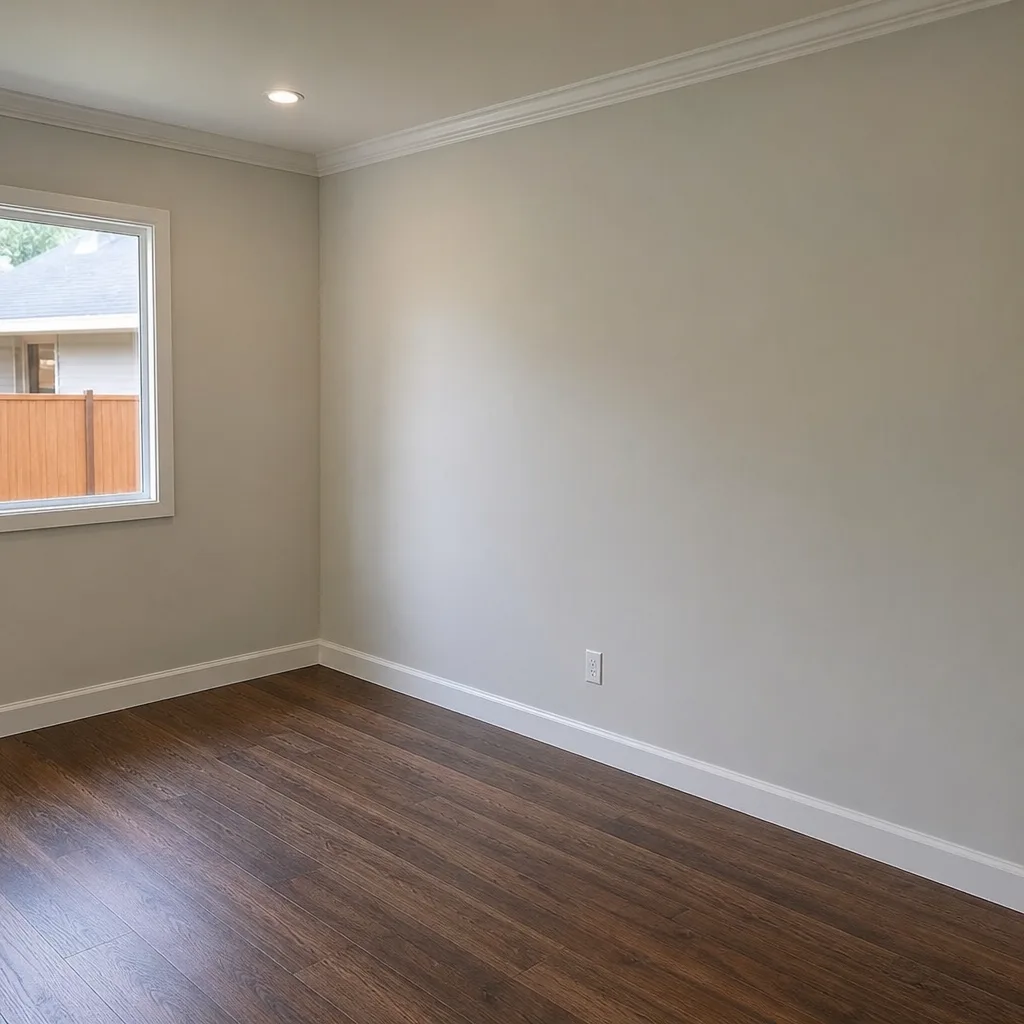
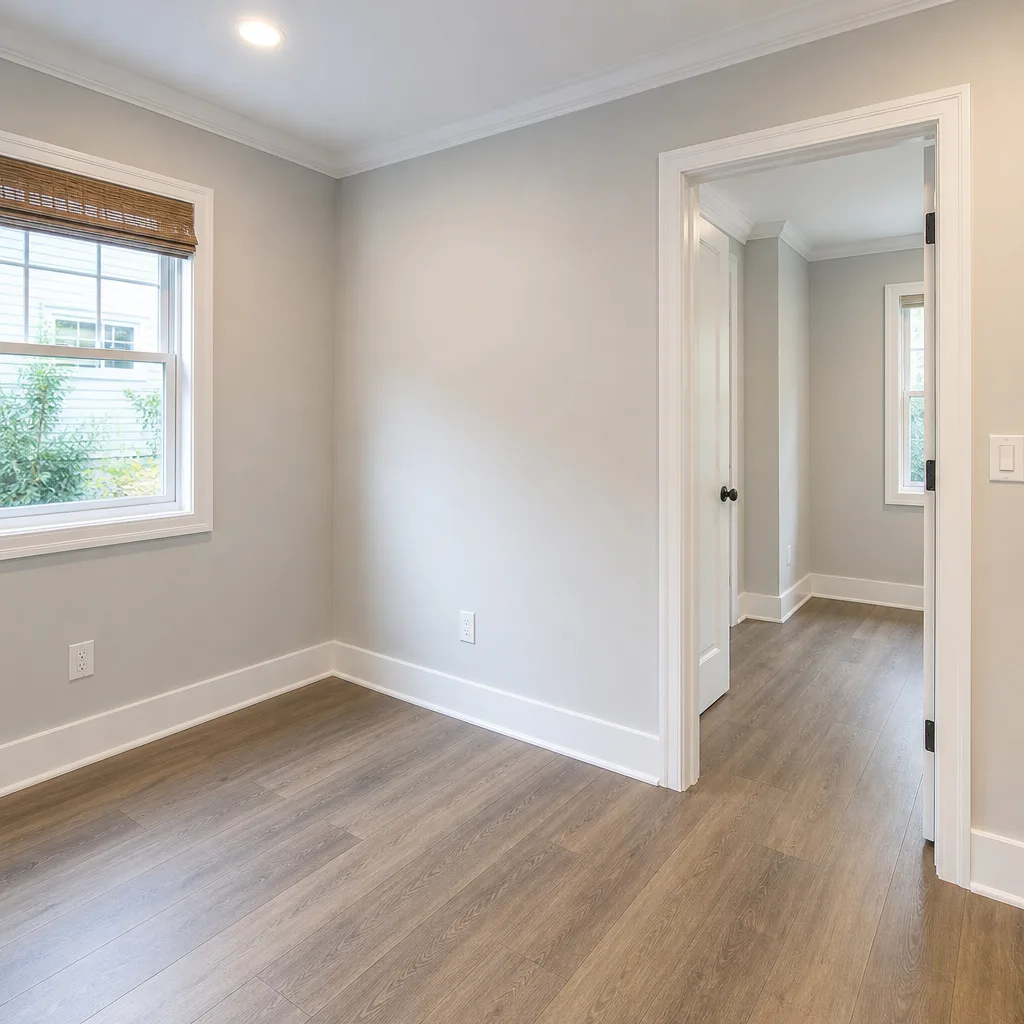
 Before
 After
After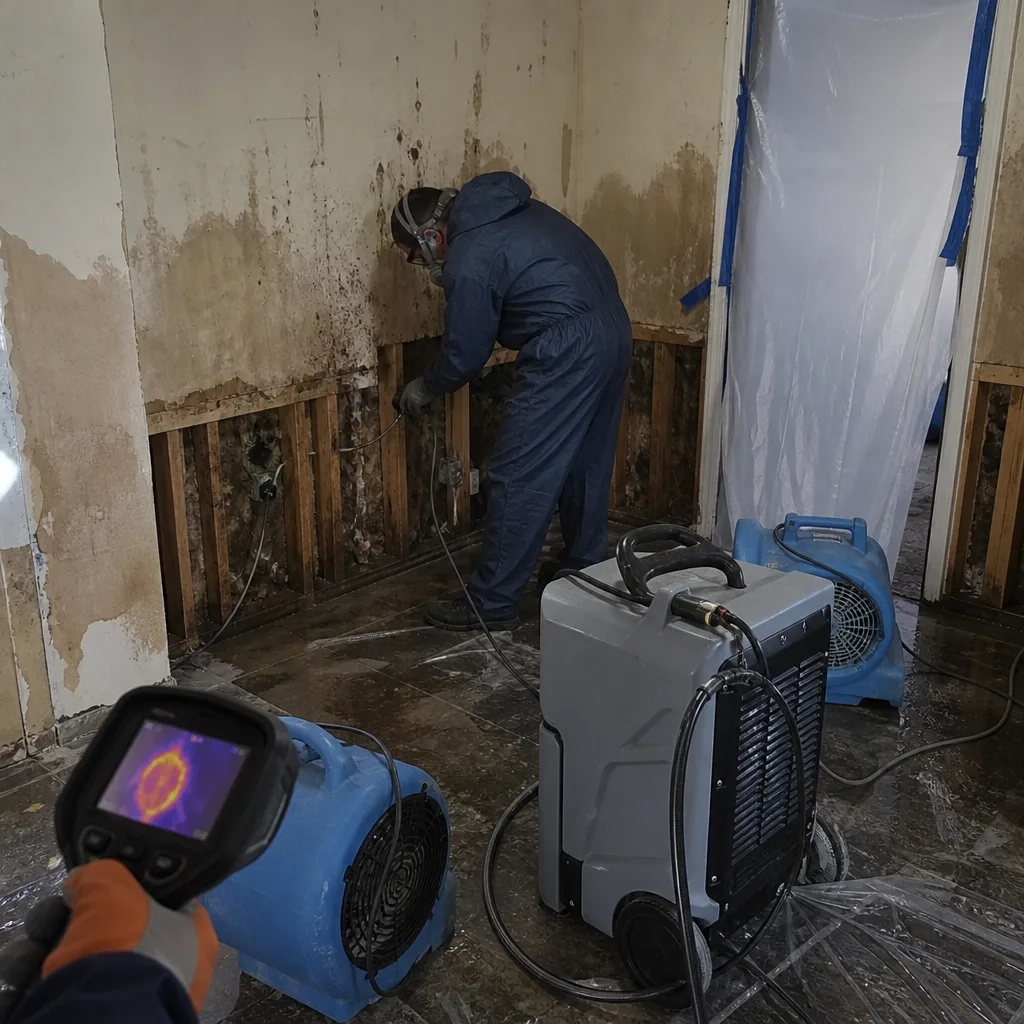 Before
 After
After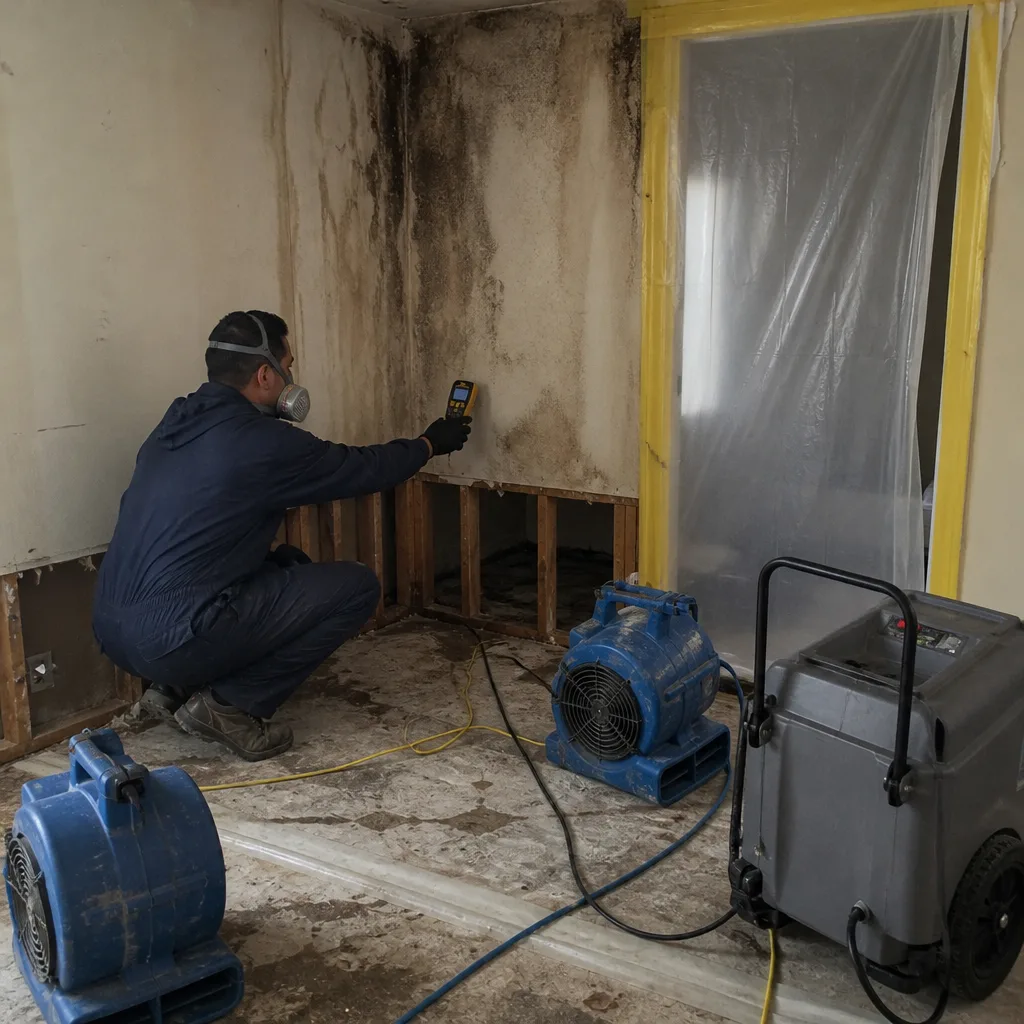 Before
 After
After