
Last updated October 16, 2026
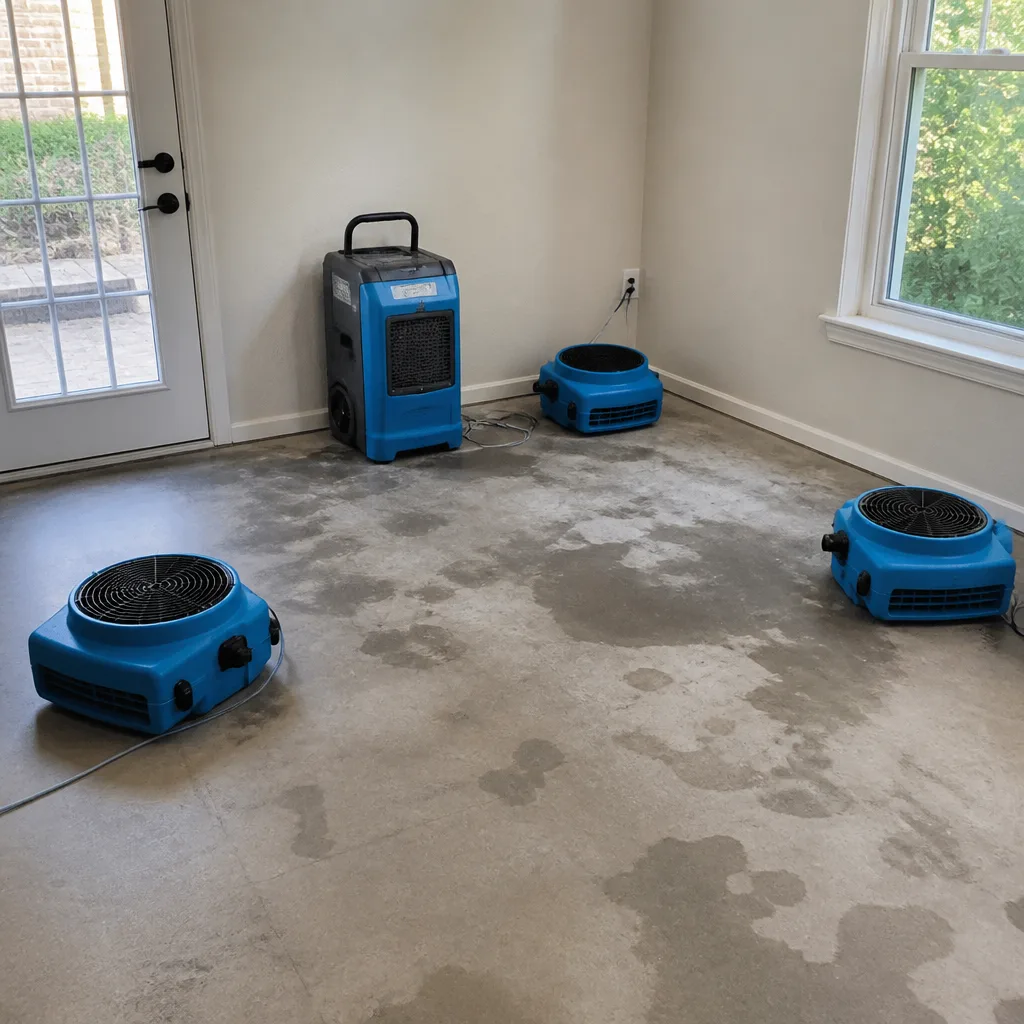 Water damage drying
 Fire & smoke cleanup
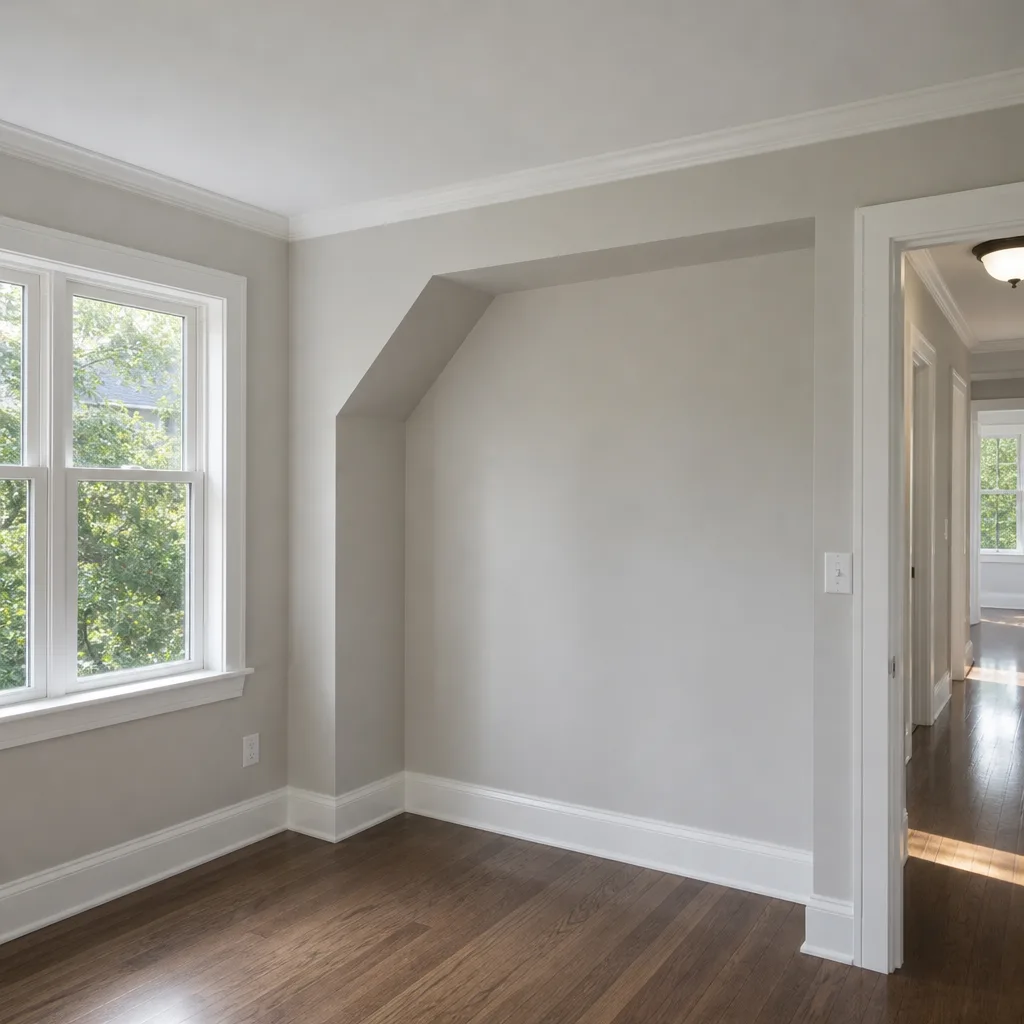 Mold remediation
 Storm response
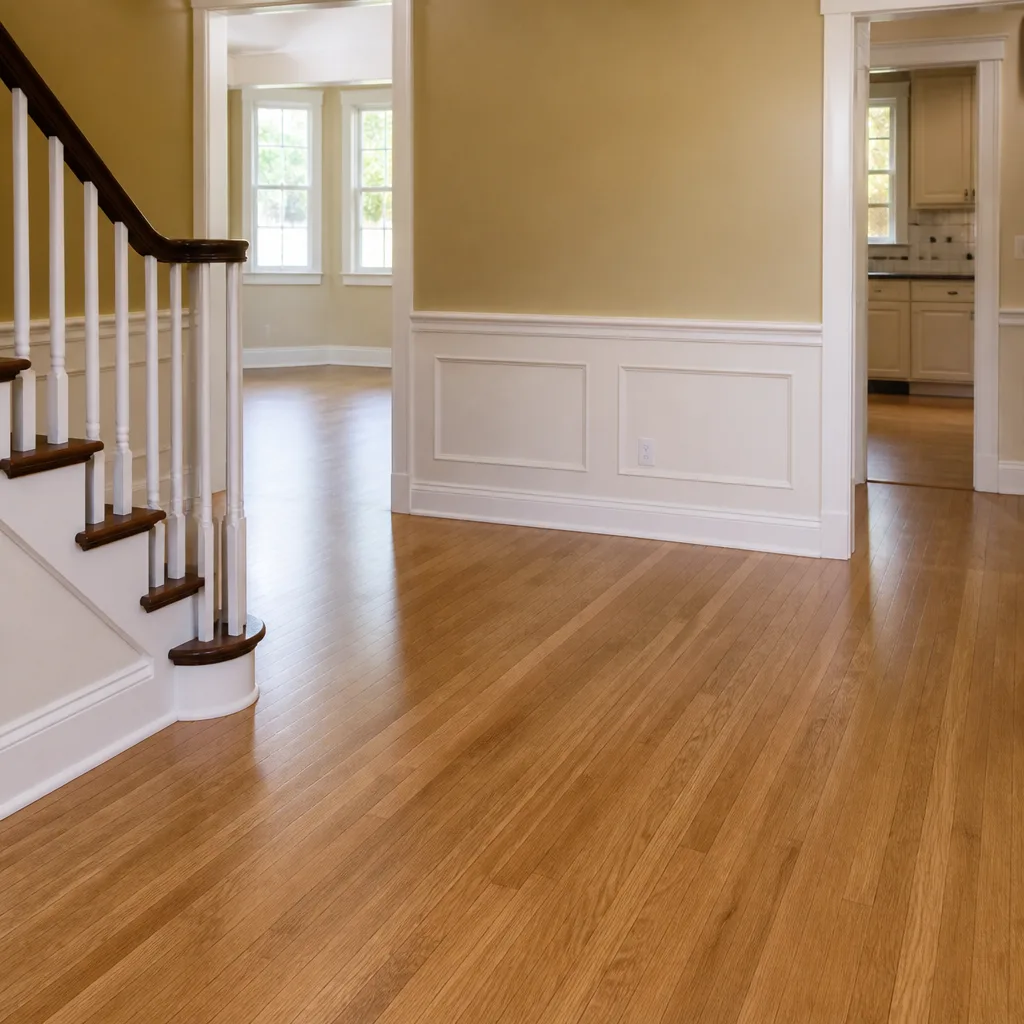 Sewage cleanup
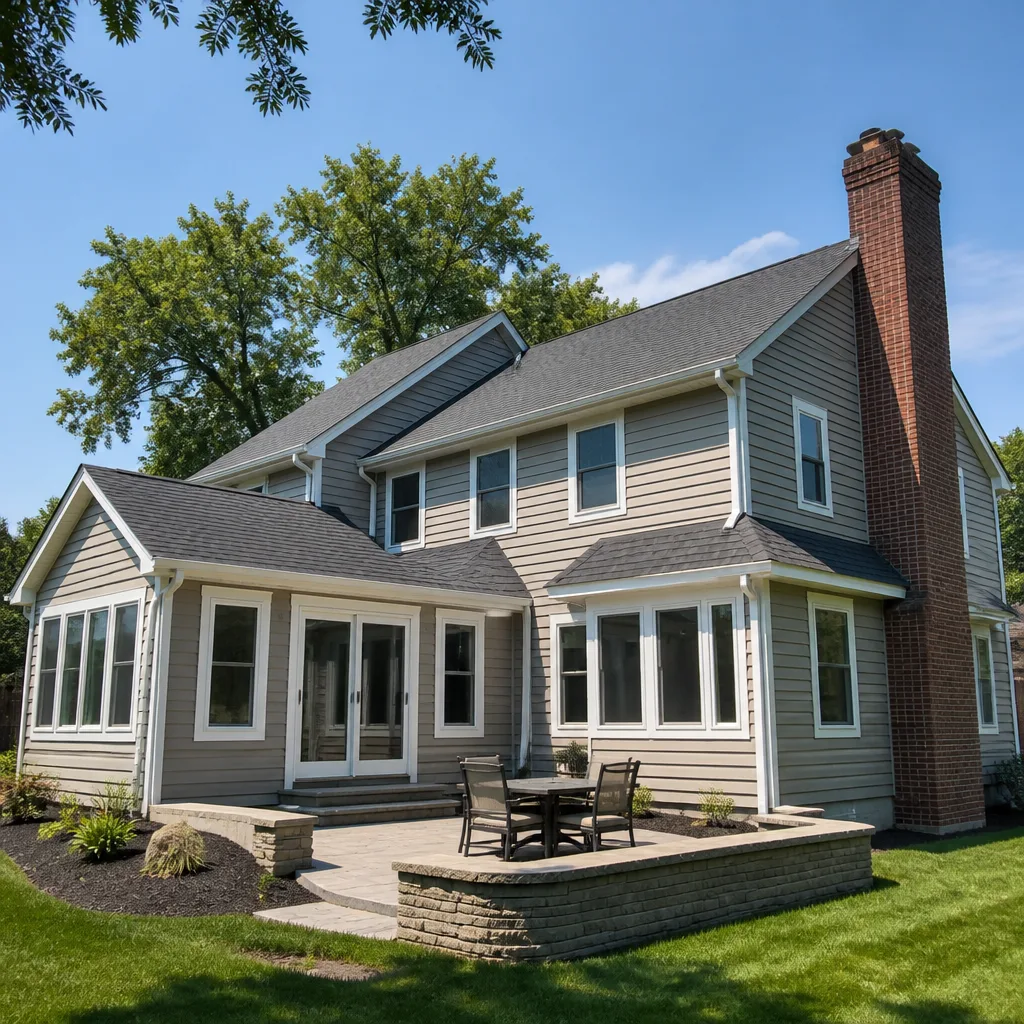 Reconstruction
Free visual inspection and a written scope of work before any mitigation begins - photos, moisture readings, and drying logs go in your claim file
The scope we write is the scope we bill. Anything new gets shown to you, in writing, before we touch it.
Get your free estimateSeasonal Damage Restoration Care for Pasadena: Year-Round Homeowner’s Guide
Pasadena gets roughly 19 inches of rain in an average year. That number sounds almost dry until you realize most of it falls inside a tight November-to-March window, often in bursts of two or three inches at a time. In our experience as a Marsh Water Damage Pasadena home restoration team, that concentration is exactly what overwhelms drainage systems, finds every crack in a foundation, and turns a dry crawl space into a mold incubator within days. This guide walks you through the real seasonal risk calendar for Pasadena homeowners, month by month, with specific checks you can do yourself and clear guidance on when to bring in trained help.
Restoration work we handle
Quick Answer
Pasadena’s damage risk follows four seasonal windows: October drainage prep before first rain, January-February post-storm moisture checks, May-June AC condensate line maintenance, and August attic ventilation inspection. For a full walkthrough, see our Complete Guide to Damage Restoration in Pasadena. Any water intrusion not professionally dried within 48 hours enters the mold-probable zone under California’s climate conditions, so the single most important year-round habit is speed: identify, extract, dry, and document within two days.
Table of Contents
- October: The Drainage Month Before First Rain
- January-February: The 24 Hours After a Major Rain Event
- May-June: AC Condensate Lines Before Summer Heat
- August: Attic Ventilation and Heat-Driven Moisture Cycling
- Year-Round: The After-Event 48-Hour Rule
- How Insurance Fits Into Seasonal Damage Response
- Common Mistakes to Avoid
- When to Call a Professional
- Frequently Asked Questions
- The Bottom Line
October: The Drainage Month Before First Rain
The smartest thing you can do for your Pasadena home happens before a single drop falls. October is our city’s true risk-preparation month, and the tasks break into three buckets: hillside drainage, sump pump testing, and downspout direction.
Most national seasonal guides tell you to clean gutters in October. That’s fine advice, but it misses what actually protects Pasadena homes, especially in hillside neighborhoods like San Rafael Hills, Hastings Ranch, and the streets above the Arroyo Seco. Those lots sit on slopes where water moves fast and carries debris with it. A clogged drain on a hillside lot in Pasadena does not just pool water; it channels it against your foundation wall or into your neighbor’s yard, and clay-heavy soil in the San Gabriel Valley does not absorb much before it saturates.
Your October checklist, in order of importance:
- Walk the perimeter and check lot grading. Soil should slope away from the foundation at a minimum of six inches of fall over the first ten feet. If you see soil that has settled against the house, add compacted fill before rain arrives. Pasadena’s clay soil expands when wet, which pushes against foundation walls and creates the hairline cracks that let water in later.
- Test your sump pump if you have one. Pour a five-gallon bucket of water into the pit and verify the pump kicks on, drains completely, and shuts off. A pump that runs but does not empty the pit is worse than no pump at all; it gives you false confidence while water rises.
- Check and extend every downspout. Water should discharge at least four to six feet from the foundation. In Pasadena, where many homes have only a few feet of side yard, that often means adding a rigid extension or a buried discharge line. A downspout that dumps at the corner of the house is a foundation crack waiting to happen.
- Inspect roof flashing around chimneys, vents, and skylights. The first heavy rain of the season finds compromised flashing immediately. A small gap that has been fine all summer becomes an active leak within thirty minutes of a real storm.
- Clear debris from all exterior drains and channel drains. Pasadena’s street trees drop leaves steadily through September and October. Those leaves end up in your yard drains and the channel drains at the bottom of driveways. If they are clogged before the first rain, the water backs up and finds its own path, which is rarely where you want it.
We have responded to more water damage calls in the first week of Pasadena’s rainy season than in any other single week of the year except during major storm events. Almost every one of those calls traces back to a drainage failure that was visible in October and fixable for under a hundred dollars in materials. The professional equipment we run, including Dri-Eaz extraction units and Injectidry drying systems, will remove the water fast. But the best job is the one you never need.
January-February: The 24 Hours After a Major Rain Event
When a January atmospheric river drops two inches on Pasadena in a single afternoon, the damage clock starts immediately. What you do in the first 24 hours determines whether you face a simple dry-out or a full mold remediation. The problem is that most homeowners do nothing for the first 48 hours because they cannot see standing water. The damage in a Pasadena rain event is often concealed: in the crawl space, inside walls, under flooring.
Here is the 24-hour protocol we recommend to every homeowner in Pasadena after a heavy rain, whether you see water or not:
- Check the crawl space first. If you have a raised foundation, get under the house or at least shine a light through the access door. Look for standing water, damp soil, or a musty smell that was not there before. Crawl space moisture in January is common in Pasadena’s older homes, especially in neighborhoods like Bungalow Heaven and Madison Heights where many houses date from the 1920s and 1930s.
- Test interior walls with a pin moisture meter. These meters cost between $30 and $80 at any hardware store and are the single most useful diagnostic tool for a homeowner. Press the pins into drywall near the floor, around windows, and along any exterior wall. A reading under 10 percent is normal. Above 15 percent, you have an active moisture problem worth investigating. Above 20 percent, call a professional. Moisture in a wall cavity will not dry on its own in Pasadena’s cool, damp winter air.
- Photograph the entire property perimeter. Walk the outside with your phone and shoot video or photos of every foundation wall, every place water pooled, every downspout discharge, and any visible cracking that was not there before. This documentation matters for two reasons: it gives you a baseline for comparisons after the next storm, and it is exactly the evidence a claims adjuster needs if you end up filing an insurance claim. Photo documentation, time-stamped and walkable, is the single most valuable thing you can have when dealing with an insurance company.
- Look for staining or discoloration on ceilings and upper wall corners. Roof leaks often show up a day or two after a storm, once water has traveled through insulation and reached the drywall. A faint yellow or brown ring is the early sign. It will get darker and larger over the next several days if left unaddressed.
- Check window wells and basement entries. Pasadena does not have many true basements, but the homes that do, mostly in the craftsman and Spanish revival era, tend to collect water at the base of exterior stairs and window wells. That water sits against the foundation and seeps through slowly over days.
If any of these checks turns up moisture, act within 48 hours. The window between water contact and mold colonization in Southern California’s climate is short, and once mold establishes in porous materials like drywall, insulation, and wood framing, the remediation scope expands dramatically. A quick dry-out from a water damage restoration in Pasadena team costs a few hundred to a few thousand dollars. A full mold job can run five to ten times that, and involves containment, removal, and sometimes reconstruction.
May-June: AC Condensate Lines Before Summer Heat
Here is a Pasadena-specific damage cause that almost no national seasonal guide mentions: air conditioning condensate lines are the leading cause of summer ceiling damage in our city. In May and June, temperatures start hitting the high 80s and 90s, AC systems run for hours a day, and the refrigerant coils inside your air handler or furnace are cold enough to condense moisture from the air constantly. All that condensation drips into a drain pan and flows through a small plastic line to the outside. If that line clogs, the pan overflows, and water runs down through your ceiling, staining drywall, warping wood, and eventually growing mold in your attic or wall cavity.
Why is this a Pasadena issue specifically? Because our houses sit between two extremes. Winter brings enough rain that dust and debris collect in the condensate line. Summer brings enough heat that the AC runs continuously. Combine the two and you get a line that clogs with a paste of dust, algae, and mineral buildup, then floods at the worst possible moment.
Your May-June condensate checklist:
- Locate the condensate line exit. It is typically a small white PVC pipe sticking out of the exterior wall near your AC condenser unit. If you see water dripping from it steadily while the AC runs, that is normal. If you see no drip on a hot day when the system is running, suspect a clog.
- Find the secondary drain or overflow pan. Many Pasadena homes have an overflow pan under the air handler in the attic or closet. Check it for standing water. A wet pan is a warning sign that the primary drain is blocked.
- Flush the line with white vinegar. About a cup of vinegar poured into the condensate line access point once a year is enough to kill the algae and dissolve minor mineral buildup. This is safe, cheap, and takes about ten minutes.
- Check for ceiling stains below the air handler location. If you see a faint water ring or discoloration on a ceiling below an upstairs AC or attic unit, you likely already have a condensate overflow problem. The fix is less expensive in May than it will be in July, once the damage has spread.
In neighborhoods like Linda Vista and Upper Hastings Ranch, where attics get brutally hot and AC systems run hard, we see condensate-related ceiling damage every summer. The repair is usually straightforward, but the ceiling dryout and repainting can take a week or more. Checking the condensate line in May is the cheapest insurance you can buy.
August: Attic Ventilation and Heat-Driven Moisture Cycling
August in Pasadena is hot, and the heat does something subtle inside your attic that most homeowners never think about. During the day, attic temperatures can hit 140 degrees or higher, especially in homes with unvented or poorly vented roof decks. That extreme heat draws moisture vapor up through ceiling insulation from the living space below. At night, when temperatures drop, the water vapor condenses on the cooler underside of the roof decking, the inside of the attic sheathing, and on metal fasteners and straps. Over days and weeks, this cycle of daytime vapor movement and nighttime condensation soaks the wood, drips onto insulation, and creates conditions where mold grows in what looks like a completely dry attic.
This phenomenon, heat-driven moisture cycling, is common in Pasadena’s older homes, especially those with minimal or blocked attic ventilation. The San Gabriel Valley summer heat makes it worse than in coastal cities because the day-to-night temperature swing can be 35 degrees or more.
Your August attic checklist:
- Look for rust on nail heads and metal straps in the attic. Rusty fasteners are a reliable early sign of condensation. If every nail head in your attic is rusted, moisture has been cycling through there for a long time.
- Check for dark staining or streaking on the roof decking. This is often mistaken for old water damage from a roof leak, but in many Pasadena homes it is condensation staining. The staining pattern tends to be diffuse, across a wide area, rather than localized around a single leak point.
- Verify that soffit and ridge vents are open and unobstructed. Pasadena homeowners often store boxes, insulation, or debris against soffit vents, blocking the air pathway. The fix might be as simple as relocating stored items away from vents.
- Check attic insulation for dampness or compaction. Wet insulation loses its R-value and becomes a mold food source. If the insulation feels damp in August, after months of no rain, the moisture is definitely coming from condensation, not a leak.
- Consider a whole-attic ventilation fan or additional passive vents. This is not a DIY fix for most people, and it should be evaluated by a professional who can calculate the ventilation area needed for your attic volume. Pasadena’s building code specifies minimum ventilation ratios, and a balanced system of intake and exhaust vents solves the condensation problem permanently.
If you find moisture in the attic in August, the next step is drying the space and correcting the ventilation deficiency. A mold remediation in Pasadena specialist can determine whether the moisture has already led to mold growth, because by August in a poorly vented attic, it often has. The remediation process typically involves drying, treating, and re-ventilating, not just wiping down surfaces.
Year-Round: The After-Event 48-Hour Rule
Every season in Pasadena has one thing in common: when water enters your home, the first 48 hours decide the outcome. This is the single most important concept in this entire guide, and it applies whether the water came from a January storm, a June AC overflow, or a burst pipe on a random Tuesday in September. You can download our Water Damage Restoration Maintenance Checklist for Pasadena Homeowners to stay prepared.
The 48-Hour Rule: Any water intrusion that is not professionally dried within 48 hours enters the mold-probable window under California’s climate conditions. Mold spores are everywhere, including in every Pasadena home. What they need to grow is moisture and an organic food source. Drywall, wood framing, carpet padding, and insulation are all organic food sources. Give mold spores 48 hours of moisture on these materials in temperatures above 60 degrees, and colonization begins. After 72 hours, the colony is established. After a week, it is producing its own spores and spreading through your HVAC system.
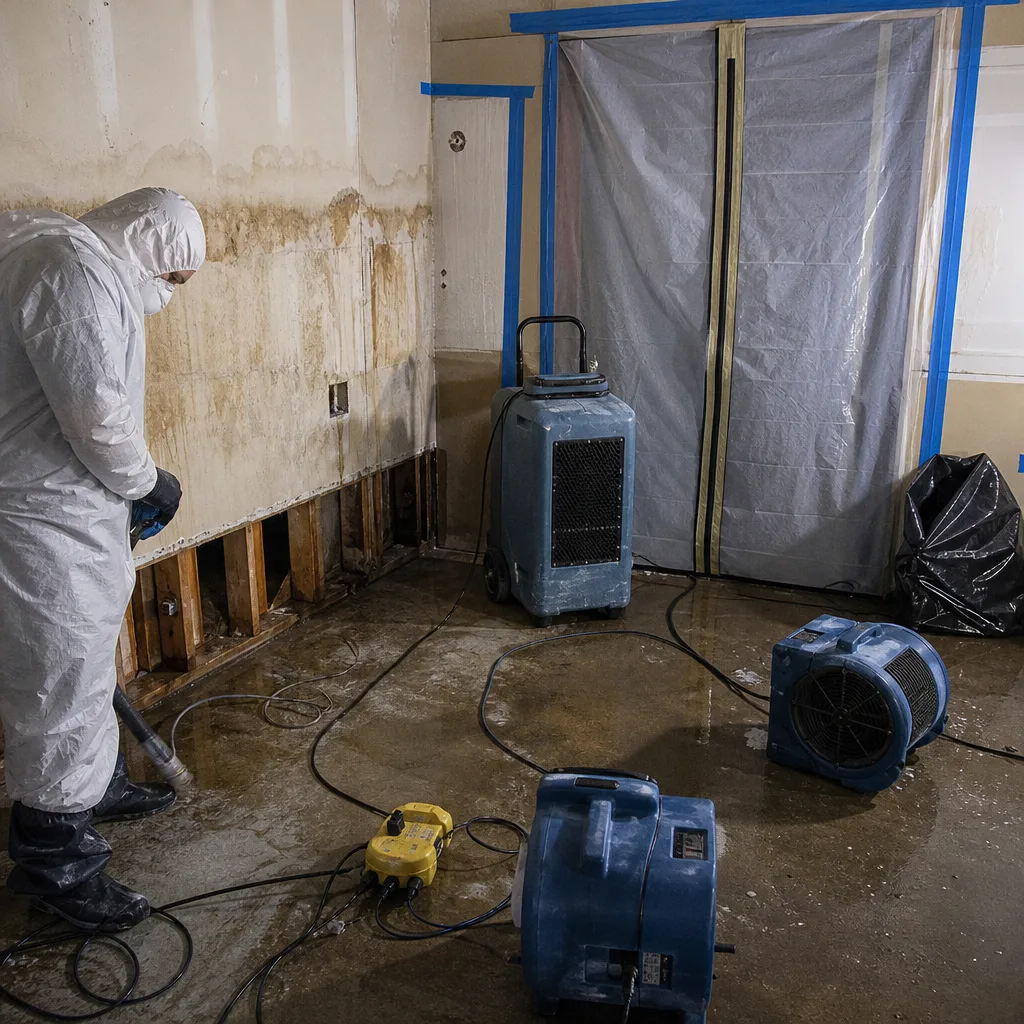
This is why professional water damage restoration in Pasadena teams do not “wait and see.” When we arrive on a water call, the first thing we do is establish the extent of the water migration using moisture meters and thermal imaging. The second thing we do is remove the standing water with commercial extraction equipment, because every hour of standing water pushes moisture deeper into the building materials. The third thing we do is set up drying equipment, industrial air movers and dehumidifiers, positioned based on psychrometric readings (measuring the moisture content in the air) that tell us when the structure is genuinely dry, not just dry on the surface.
The 48-hour rule also applies to your insurance timeline. If you experience water damage and wait a week before filing a claim, the adjuster may reasonably ask why the damage spread. The company has a duty to mitigate, and the homeowner has a duty to prevent further damage. Fast response, documented with photos and timestamps, protects both your home and your position with the carrier.
How Insurance Fits Into Seasonal Damage Response
Seasonal damage in Pasadena often leads to insurance claims, and the process is smoother when you understand how the pieces fit. Storm damage, like a roof leak or a flooded crawl space from heavy rain, is typically covered under standard homeowners insurance if the water came from outside and the damage was sudden and accidental. Gradual damage, like a slow condensate leak that has been running for months, is often classified as maintenance neglect and may not be covered. The distinction matters because it changes how you approach both prevention and response.
Here is what we tell every homeowner we work with in Pasadena, regardless of the season:
- Document everything before the damage. Photos of your foundation, your attic, your crawl space, your AC condensate setup. Having a baseline makes it dramatically easier to prove to an adjuster that the damage was sudden, not pre-existing.
- Document everything immediately after the damage. Time-stamped photos, video walkthroughs, and a written timeline of events. The more complete your documentation, the fewer reasons a claims adjuster has to challenge your claim.
- Get professional drying started fast. Insurance policies require the homeowner to mitigate further damage. That means if water comes in and you do nothing for a week, and mold develops, the insurer may deny the mold portion of the claim because it resulted from a failure to mitigate. This is a real thing that happens to real homeowners every year in Pasadena.
- Work with a restoration company that coordinates directly with insurance. A good restoration team takes photos, writes their findings in the format claims adjusters expect, and communicates with your adjuster directly. We prep scopes that include line-item detail, moisture readings, and equipment logs, because those are the documents that get claims approved. This is not about inflating claims; it is about documenting the truth in a way the insurance company’s system is designed to process.
If you are dealing with storm damage, our storm damage restoration in Pasadena team handles the full process, from emergency water extraction through drying, documentation, and reconstruction or repairs. The season does not change the fundamentals; it only changes which damage source you are likely to face.
Common Mistakes to Avoid
- Waiting to see if it dries on its own. It will not, in Pasadena’s climate. Drywall, insulation, and wood will hold moisture for weeks, and mold will grow before the moisture level drops. Every day of waiting expands the scope of work and the bill.
- Assuming a small stain is a small problem. A six-inch water stain on a ceiling usually means a much larger wet area hidden in the wall cavity above. The visible stain is just the point where the water finally reached the surface. In our experience, the actual wet area is three to five times larger than what you can see.
- Putting off October drainage work because it has not rained yet. Pasadena’s first major rain event arrives quickly and without warning almost every year, and the drainage problems that were visible in October become active water intrusion in November. The work is never easier than it is now.
- Ignoring AC condensate because it is “just a little water.” A small, steady drip inside a wall or attic is exactly the scenario that creates hidden mold over time. Condensate leaks are slow-motion water damage, and they are insidious because they run unnoticed for months.
- Closing off attic ventilation to save energy. Some homeowners block attic vents thinking it will reduce cooling costs. What it actually does is trap moisture and superheat the attic, accelerating the heat-driven condensation cycle described above. The modest energy savings are dwarfed by the eventual repair cost.
- Not documenting the condition of your home before damage happens. The cheapest insurance documentation you can create is a 20-minute photo walkthrough of your property twice a year. It costs nothing and changes the trajectory of a claim if damage ever happens.
- Using a shop vacuum for significant water intrusion. A shop vac can handle a small spill. It cannot handle the gallons of water that enter a Pasadena home during a rain event, and it cannot address the moisture that has wicked into building materials. Attempting a major dry-out with homeowner equipment usually makes the problem worse by delaying professional intervention.
When to Call a Professional
Call a professional the moment you confirm water has entered your building materials, not just your floor. Standing water that you can mop up quickly and completely is a homeowner problem. Water that has soaked into drywall, carpet, subfloor, or insulation is a professional problem, because those materials must be dried to specific moisture levels to prevent mold growth. You also want professional eyes on any situation where water may have entered a wall cavity, a ceiling, or a crawl space, because those spaces trap moisture and hide damage.
In Pasadena, the seasonal pattern is clear: drainage failures in November, storm intrusion in January and February, condensate floods in summer, and attic moisture issues in August. Marsh Water Damage Pasadena offers free estimates in Pasadena, and a live person answers the phone 24 hours a day, including holidays, at (626) 657-5106. Every job gets a written price before work begins, so you will always know exactly what you are approving.
Frequently Asked Questions
Most residential water extractions in Pasadena run between $800 and $2,500 before drying equipment is set, depending on the square footage affected and whether the water reached multiple rooms or structural cavities. For detailed pricing scenarios, see our Damage Restoration Cost Breakdown: The Pasadena Homeowner’s Reference for 2026. Drying equipment typically adds $50 to $200 per day depending on the number of air movers and dehumidifiers required, and most residential dry-outs run three to five days. A simple water event in one room usually lands under $2,500 total. A large event involving a crawl space, multiple rooms, and structural drying can reach $8,000 to $15,000. For an exact quote on your situation, call (626) 657-5106 and a technician will assess the scope, in writing, before any work starts.
Homeowners insurance typically covers sudden and accidental water intrusion, such as a storm-driven roof leak or a burst pipe, but may not cover gradual damage caused by lack of maintenance, such as a slow condensate leak that has been running for months. The determining factor is usually whether the damage was sudden and whether the homeowner took reasonable steps to prevent and mitigate it. A restoration team that coordinates directly with your adjuster and provides photo documentation and written scopes can materially improve your claim outcome.
You should begin drying within 48 hours of the water event. Mold colonization begins in that window under California’s warm, humid-in-winter climate conditions, and every additional day expands the affected area. The first step is stopping the water source, the second step is extracting any standing water, and the third step is professional drying with controlled air movement and dehumidification. If you cannot complete all three steps within 48 hours, call a professional restoration company.
Fans move air, but they do not remove moisture from the building materials. Professional drying uses a combination of high-velocity air movers to evaporate moisture from surfaces, industrial dehumidifiers to remove that moisture from the air, and moisture meters to verify that the materials have reached their target dryness. A box fan and an open window will dry the surface of drywall while leaving the wall cavity damp, which is exactly where mold grows best.
Threshold Verified means that every technician who arrives at your door has been background-checked, identity-verified, and sent to you by name and photo before the visit; then they show a photo ID badge at the door, every time. This standard was built to solve the core anxiety homeowners face when calling a restoration company: you are opening your door to strangers during a stressful time. With Marsh Water Damage Pasadena, part of the Threshold Group family of restoration companies, you always know exactly who is coming before the knock.
January is the highest-risk month in Pasadena, because it sits in the middle of our concentrated rainy season and follows several months of drainage neglect, leaf accumulation, and soil saturation. However, July and August produce their own damage pattern through AC condensate overflows and heat-driven attic moisture. The safest approach is year-round awareness with seasonal focus: drainage in October, storm response in January and February, condensate checks in May and June, and attic ventilation in August.
The Bottom Line
Pasadena’s climate creates seasonal damage patterns that national guides rarely cover, and the difference between a minor repair and a major restoration usually comes down to timing. October drainage prep stops January floods. May condensate flushing stops July ceiling damage. August attic ventilation stops silent condensation damage that would otherwise show up as mold years later. And through all of it, the 48-hour rule governs every water event: dry it fast, or it grows. The homeowners who treat these seasonal checks as part of routine maintenance spend far less, worry far less, and keep their homes dry through every month of the year. If water has already found its way in, or you want an expert assessment of your risk points, Marshall Water Damage Pasadena has been serving this city since 2005, and a live person answers at (626) 657-5106, any hour, any day. For more guides & resources, visit our blog.
Written by Tobias Reyner, Owner at Marsh Water Damage Pasadena, serving Pasadena since 2005.
See the difference
 Before
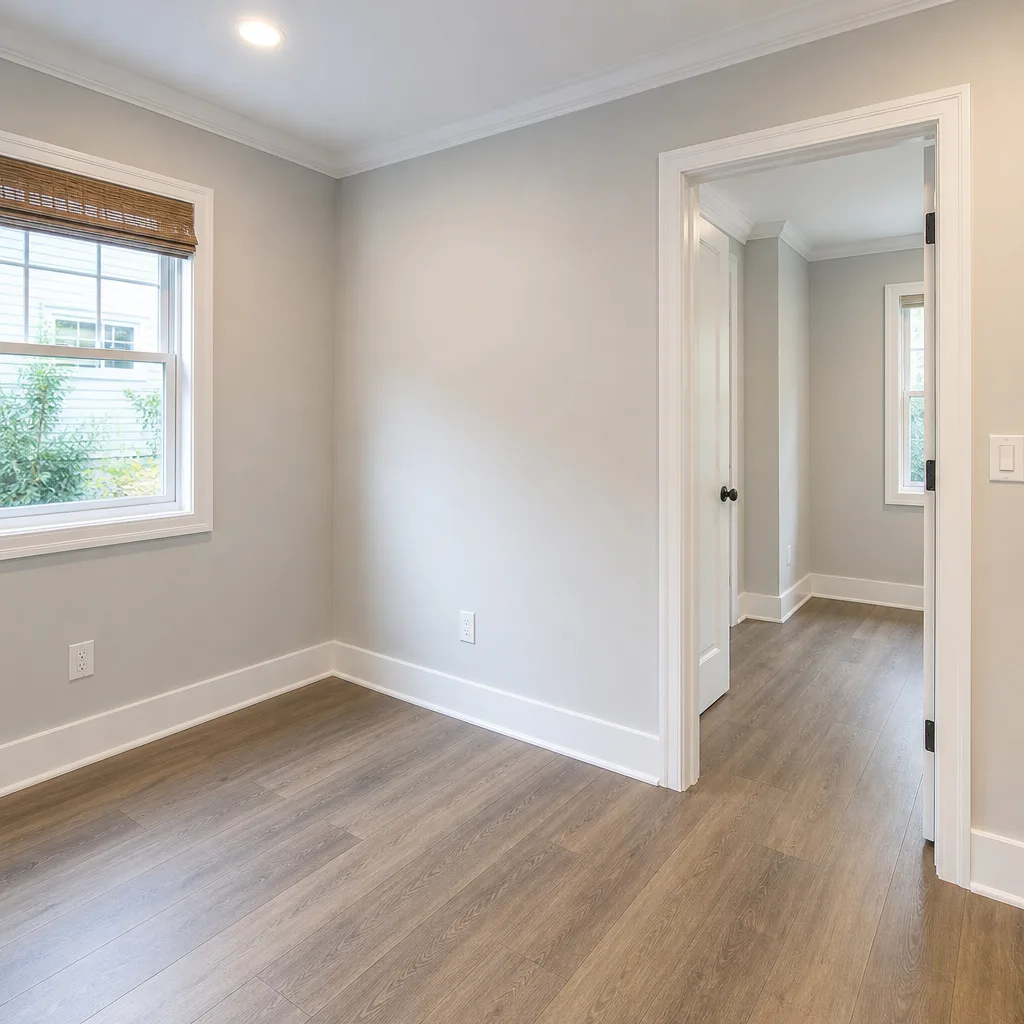
 After
After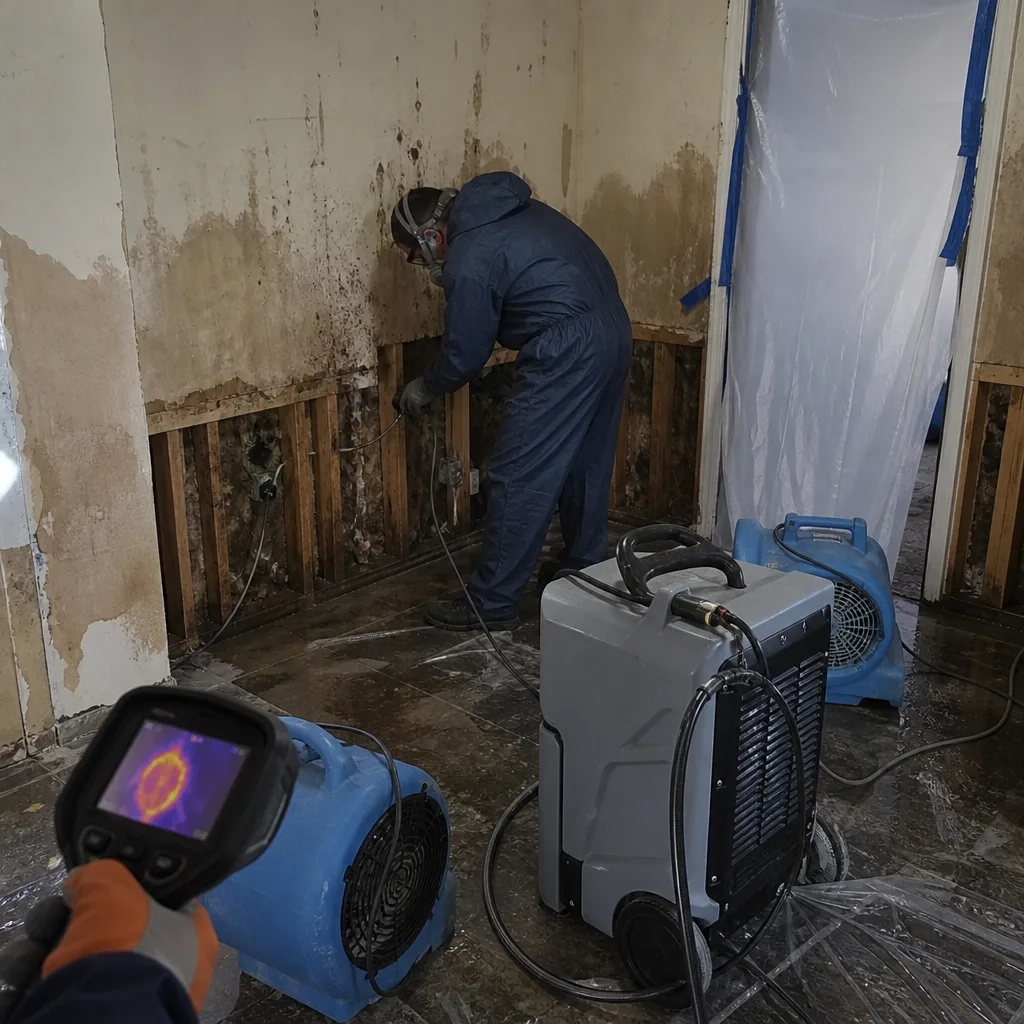 Before
 After
After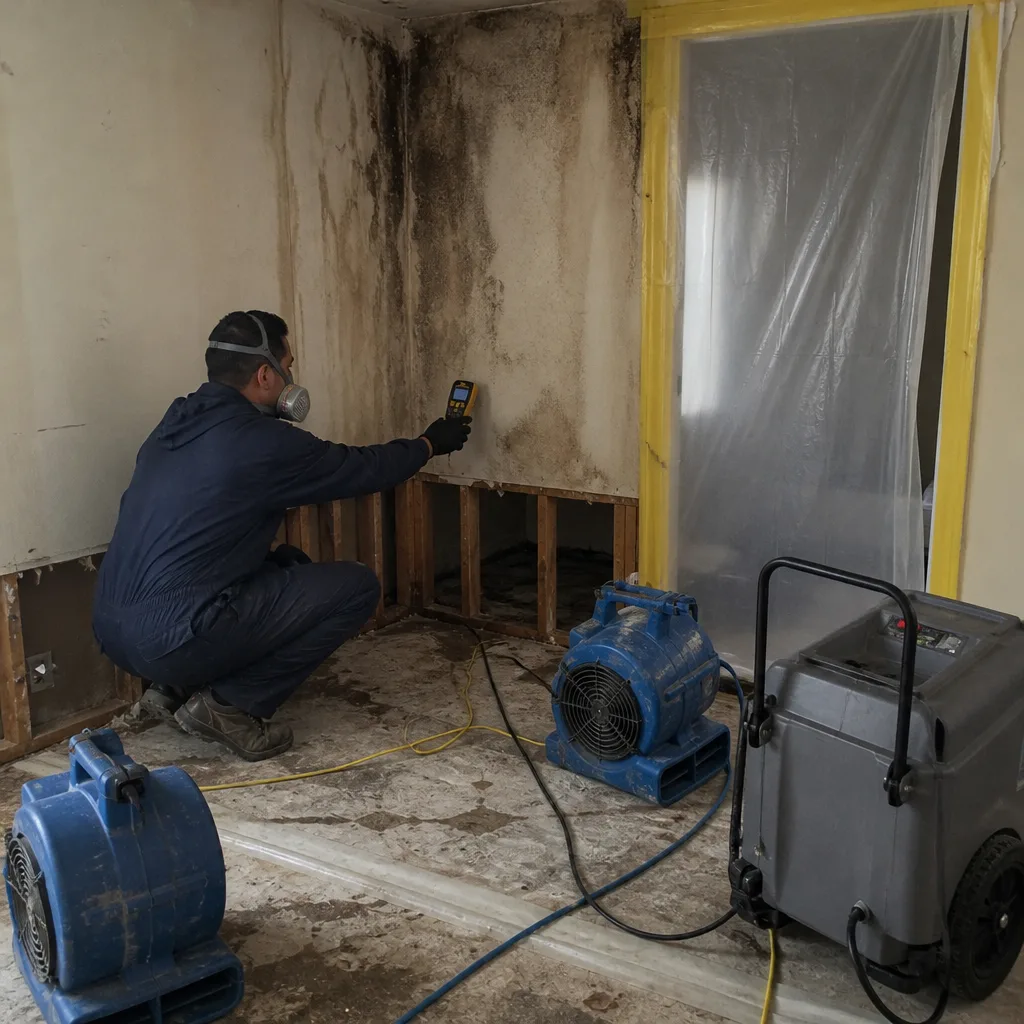 Before
 After
After