
Last updated October 16, 2026
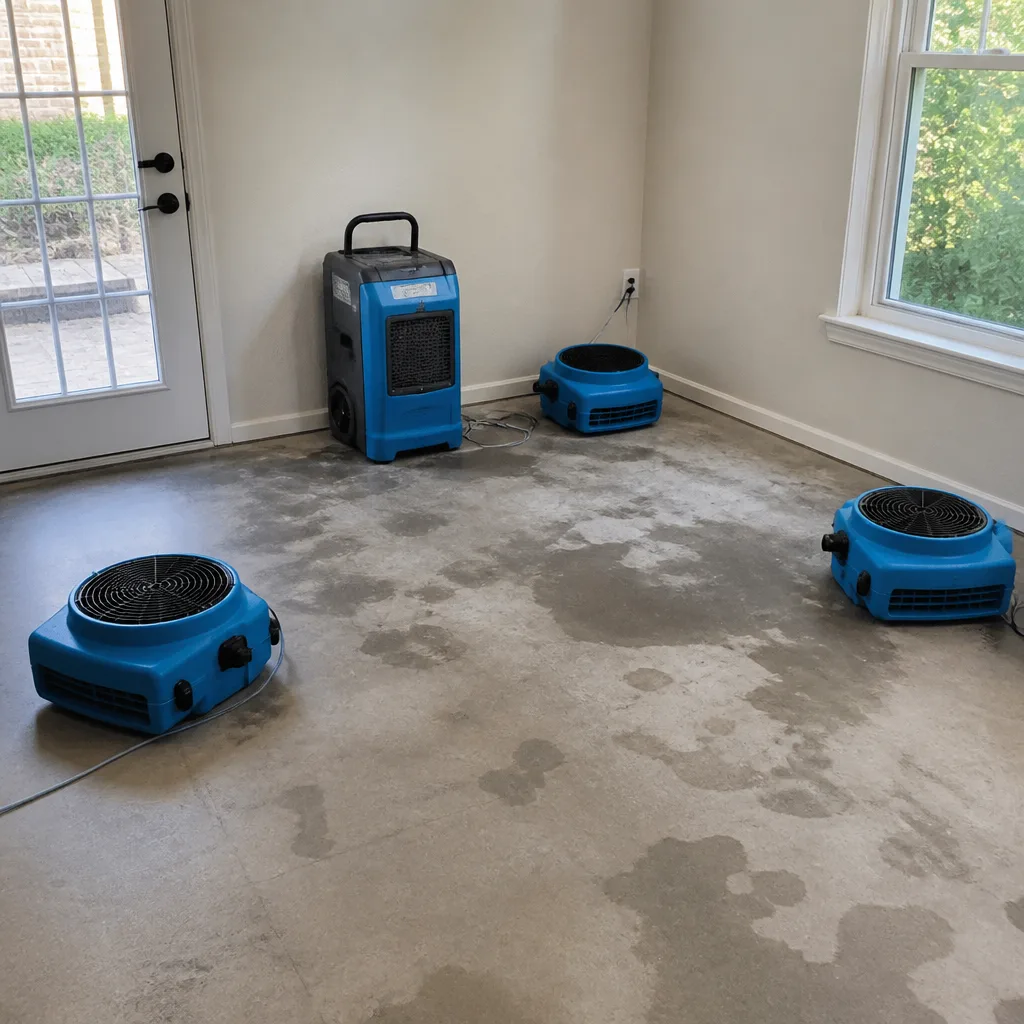 Water damage drying
 Fire & smoke cleanup
 Mold remediation
 Storm response
 Sewage cleanup
 Reconstruction
Free visual inspection and a written scope of work before any mitigation begins - photos, moisture readings, and drying logs go in your claim file
The scope we write is the scope we bill. Anything new gets shown to you, in writing, before we touch it.
Get your free estimateHow to Hire a Damage Restoration Contractor in Pasadena: A Step-by-Step Guide
The California Contractors State License Board logged over 900 complaints against unlicensed restoration operators in a recent two-year period. Most of those victims hired someone within the first hour of discovering damage, before they knew what questions to ask. Water spreads, mold follows, and the clock feels like it’s working against you. In Pasadena, where older homes meet sudden downpours and aging plumbing, that pressure is real. This guide, along with our Complete Guide to Damage Restoration in Pasadena, slows the process down into six verifiable steps so fear doesn’t become the deciding factor.
Restoration work we handle
Quick Answer
To hire a damage restoration contractor in Pasadena, verify their CSLB license and insurance first, demand a written line-item estimate before any work starts, confirm they use commercial drying equipment (not just fans), check who actually shows up at your door, and get the guarantee in writing. A legitimate contractor will welcome all five checks and answer every question without hesitation.
Table of Contents
- Step 1: Verify the License Before You Verify Anything Else
- Step 2: Understand What “We Work With Your Insurance” Actually Means
- Step 3: Get a Written Price, Not a Verbal Estimate
- Step 4: Ask Who Is Showing Up – And Prove It
- Step 5: Check the Equipment They’ll Deploy
- Step 6: Read the Guarantee Before You Sign
- Red Flags Specific to Pasadena Post-Disaster Solicitation
- Common Mistakes to Avoid
- When to Call a Professional
- Frequently Asked Questions
- The Bottom Line
Step 1: Verify the License Before You Verify Anything Else
The first call you make after discovering water damage should not be to a contractor. It should be to the California Contractors State License Board website. Type in the company name, check the license status, and confirm it’s active. This takes 90 seconds and filters out the largest category of bad actors before they ever step foot in your Pasadena home.
A legitimate Pasadena restoration company holds three distinct credentials:
- CSLB contractor license – This is the state-level requirement for any contractor performing work over $500 in California. The number should be on their website, their truck, their business card, and any contract they hand you.
- Pasadena business license – The city requires local businesses to register. A company that hasn’t bothered to register with the city is not one you want cutting into your walls.
- EPA RRP certification – If your home was built before 1978, federal law requires any contractor disturbing painted surfaces to be certified under the EPA’s Renovation, Repair, and Painting rule. Pasadena has thousands of pre-1978 homes, particularly in neighborhoods like Bungalow Heaven, Madison Heights, and the Craftsman districts near the Arroyo. Our team holds this certification because lead-safe work practices are not optional on older Pasadena properties.
Insurance matters just as much as licensing. Ask for a certificate of insurance with your name on it as the certificate holder. A real contractor can email this to you in minutes. If they hesitate, that hesitation is your answer. The policy should include general liability and workers’ compensation. If a worker gets injured on your property and the contractor lacks workers’ comp, your homeowner’s policy becomes the target.
Step 2: Understand What “We Work With Your Insurance” Actually Means
Every restoration contractor in Pasadena says they work with insurance. It’s the most common phrase in the industry and the least informative. What it should mean is straightforward: the contractor documents the damage with photos and moisture readings, communicates directly with your adjuster, and bills according to industry-standard pricing software like Xactimate. What it sometimes means is less straightforward: the contractor has an arrangement with a third-party referral service or a preferred-vendor program that involves fees, and those fees eventually get priced into your claim.
The question that separates transparency from a kickback arrangement is this: “Does anyone outside your company receive a fee for referring this job to you?” Ask it directly. A transparent contractor will say no without a pause. A contractor who stumbles, hedges, or says “well, we participate in a network” has just told you something important about how your claim will be priced.
More water damage restoration in Pasadena claims involve insurance than most homeowners realize. The typical homeowner’s policy covers sudden and accidental water damage, but not gradual leaks. The distinction matters. A pipe that bursts at 3 a.m. is covered. A slow drip under the sink that has been rotting the cabinet for six months may not be. A legitimate contractor will document the cause honestly, not coach you on what to tell the adjuster. If a contractor starts suggesting you phrase things a certain way “so it gets covered,” walk away. That’s insurance fraud, and you’re the one signing the claim form.
Step 3: Get a Written Price, Not a Verbal Estimate
The most important sentence in any restoration contract is this one: “The price listed may change.” If that sentence appears, or if the contract includes vague language about “unforeseen conditions” without defining them, you are signing a blank check. Restoration work does involve unknowns, but a professional contractor identifies the unknowns, prices the known scope, and puts the pricing methodology for any changes in writing before work begins.
A legitimate estimate includes:
- Labor hours – broken down by crew member and hourly rate.
- Equipment days – how many air movers, dehumidifiers, and air scrubbers, for how many days, at what daily rate per unit.
- Materials – drywall, insulation, flooring, paint, with quantities and unit prices.
- Disposal fees – what’s being hauled away, how much it weighs, and what the landfill charges.
- Drying monitoring – how many moisture readings, how often, and what they cost.
Most residential water extractions in Pasadena run between $1,200 and $4,000 before drying equipment is set. A full mitigation with drying, demo, and basic rebuild typically lands between $4,000 and $12,000 depending on square footage, category of water, and how many rooms are affected. Mold remediation in Pasadena homes, depending on the extent of the affected area, often ranges from $2,500 to $8,000 when containment, air scrubbing, and source removal are done properly. Any contractor who gives you a single verbal number without a written breakdown is guessing, and you’ll pay for the guess later. For a full breakdown of what to monitor, see our Water Damage Restoration Maintenance Checklist for Pasadena Homeowners.
Step 4: Ask Who Is Showing Up – And Prove It
Here’s a scenario we hear from Pasadena homeowners regularly: they hired a company after a water heater failed, and the person who showed up was not the person they spoke with on the phone. The truck had a different name. The technician couldn’t produce a company ID. This is not an isolated problem; it’s a pattern in the restoration industry, particularly after storms when subcontractors get shuffled between jobs like spare parts.
Before you hire anyone, ask this: “Who exactly is coming to my house, and how will I know it’s them?” A professional company answers without hesitation. Our standard is the Threshold Verified protocol, and it works like this:
- Background check completed – every technician passes a criminal background check before they ever wear our uniform.
- Identity verified – government ID matched against company records, on file and auditable.
- Photo sent before arrival – you receive the technician’s name and photo by text or email before the truck leaves the shop.
- Photo ID badge at the door – the technician shows a company photo ID before stepping inside, every time, no exceptions.
- Uniformed and marked vehicle – the person at your door matches the person in the photo, wearing the same company name that’s on the truck outside.
Use this list as your benchmark for any contractor you call. If a company can’t tell you who’s coming before the knock, they don’t know either. That uncertainty is exactly what you’re paying to avoid.
Step 5: Check the Equipment They’ll Deploy
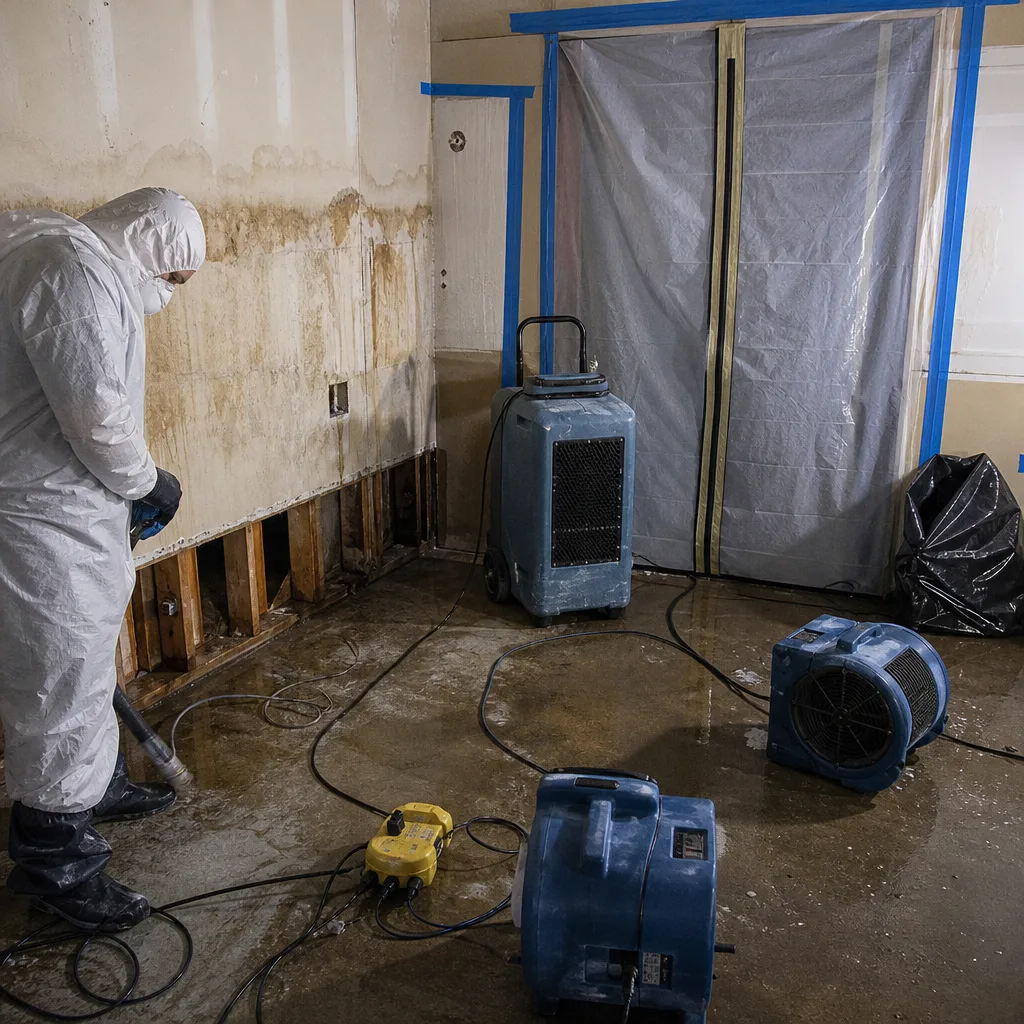
The difference between a professional restoration and an expensive fan rental comes down to equipment. A consumer-grade box fan and a dehumidifier from a hardware store will dry the surface of the wall. The moisture inside the wall cavity, behind the baseboard, under the flooring, will stay right where it is until the mold starts blooming about three weeks later.
Professional restoration uses commercial equipment from manufacturers like Dri-Eaz and Phoenix. These units move hundreds of cubic feet of air per minute and pull moisture from materials through controlled evaporation. Paired with a proper moisture meter, a trained technician takes psychrometric readings (measuring the moisture in the air) to determine when the structure is genuinely dry, not just dry on the surface.
Ask your contractor what equipment they plan to deploy. Specific questions get specific answers:
- “How many air movers per affected room?” – Standard is one per 100 square feet of affected area, minimum.
- “What’s the pint capacity of your dehumidifiers?” – Commercial units pull 70 to 130 pints per day. A hardware store unit pulls 20 to 30.
- “Will you document daily moisture readings?” – If the answer is no, they’re not monitoring the drying process, which means they’re guessing when it’s done.
- “Do you use Injectidry systems for hard-to-reach cavities?” – For water trapped behind tile, under cabinets, inside wall cavities, a professional answer is yes.
This is not equipment snobbery. It’s physics. Water moves through building materials by capillary action, and it keeps moving long after the visible puddle is gone. The tools either address that movement or they don’t.
Step 6: Read the Guarantee Before You Sign
The restoration industry has a guarantee problem. Too many companies promise “satisfaction guaranteed” without defining satisfaction or specifying what happens when the work fails. A guarantee without terms is a handshake, and you’re not hiring a contractor to shake hands.
A legitimate guarantee states four things:
- What is covered – the specific scope of work performed, in writing.
- How long it’s covered – a clear term. Our term is 365 days.
- What happens if it fails – the specific remedy. Ours is a free second visit to make it right.
- Who pays for the remedy – not you. This is non-negotiable.
Our Marsh Water Damage Pasadena home guarantee is the 365-Day Done Right Promise, and it’s printed on every work order. If a repair is not right within a full year, we make it right. No arguments, no negotiation, no “well, that’s a different problem.” The promise is time-stamped, documented, and standing. This is not a promotional offer. It’s the same commitment we’ve made since 2005, and it’s the reason our team, led by Tobias Reyner, writes it on every single contract.
Red Flags Specific to Pasadena Post-Disaster Solicitation
After any significant Pasadena storm, the same pattern repeats. Contractors materialize. Some are legitimate. Some are not. Here’s what we see in this city specifically, and why each one should stop you:
- The door-knocker – A person in a truck with no company markings knocks on your door within 48 hours of a storm and offers a “free inspection.” Legitimate Pasadena restoration companies are too busy answering their own calls to go door to door. This is solicitation, not service.
- The insurance office flyer – A stack of glossy flyers at your insurance agent’s office is not an endorsement. It’s often a paid placement. Ask your adjuster directly for contractor recommendations, and even then, run the license check from Step 1.
- The “we have extra materials from another job” pitch – No legitimate contractor prices jobs based on leftover materials. This is a classic driveway-sealing scam adapted for restoration work.
- The “sign today for a discount” contract – Urgency is a sales tactic, not a restoration strategy. A professional contractor gives you time to read the contract, verify the license, and make a clear-headed decision.
- The blurred line between mitigation and rebuild – Some Pasadena contractors excel at water extraction but farm out the rebuild to unlicensed subs. Ask who performs each phase of the work and verify that every sub is licensed too.
Common Mistakes to Avoid
- Calling the first number that appears in a panic search. Google rankings are not a vetting process. The #1 result may be the most aggressive advertiser, not the most qualified contractor.
- Signing an authorization form without reading it. Emergency authorization forms often include fine print allowing the contractor to begin work immediately at “customary rates” that are never defined. Read before you sign, even at 2 a.m.
- Paying a large deposit upfront. California law limits contractor deposits to 10% or $1,000, whichever is less. Any contractor asking for more is violating state law.
- Hiring the contractor the plumber recommended without vetting. Plumbers are not restoration specialists, and referral fees can influence recommendations. Run the same checks regardless of who made the referral.
- Skipping the mold conversation. Water damage becomes mold damage in 24 to 48 hours in Pasadena’s climate. If your contractor doesn’t mention mold prevention during the drying conversation, they’re not thinking about week three.
- Believing “we work with all insurance companies.” This phrase means the contractor will bill your insurance directly, not that your insurance company approves of them. Verify with your adjuster before assuming coverage.
- Choosing the cheapest quote without comparing scope. A lower price usually means less equipment, fewer days of drying, and less thorough mold prevention. Compare line items, not bottom lines.
When to Call a Professional
Some water damage is manageable with towels and a shop vac. A spilled glass, a small leak under the sink caught immediately, a wet floor from tracked-in rain. But when water has soaked into drywall, run under baseboards, penetrated hardwood or carpet, or been standing for more than an hour, the clock is running. Professional extraction and drying is the difference between a repair bill and a mold remediation in Pasadena bill. If you can smell moisture, see staining, or hear water running where it shouldn’t, call before the mold clock runs out. Marsh Water Damage Pasadena offers free estimates in Pasadena. Call (626) 657-5106 and a live person answers, 24 hours a day.
Frequently Asked Questions
Water damage restoration in Pasadena typically costs between $1,200 and $4,000 for extraction and drying, with full mitigation and rebuild ranging from $4,000 to $12,000 depending on square footage and water category. Call (626) 657-5106 for an exact written quote; estimates are free and line-itemed before any work starts.
A professional Pasadena restoration company with true 24/7 dispatch can have a crew at your door within 60 to 90 minutes of your call. Response time matters because standing water and moisture infiltration begin degrading building materials immediately, and mold growth can start within 24 to 48 hours.
Sudden and accidental water damage is typically covered by standard homeowner’s policies, while gradual leaks and long-term seepage often are not. Your restoration contractor should document the cause honestly and communicate directly with your adjuster, providing photo evidence and moisture readings for the claim.
The answer depends on where the water goes, not just how much water there is. If moisture has wicked into drywall, under flooring, or into wall cavities, surface cleaning will not reach it, and mold will develop inside the structure. A professional assessment with moisture meters and thermal imaging determines the true extent.
Both, working together. You should be the one filing the claim and signing the forms. Your contractor should be the one providing documentation, answering technical questions, and billing according to standard pricing. If a contractor offers to “handle everything” without your involvement, ask for itemized documentation of every communication.
Ask for the CSLB license number, proof of insurance, a written line-item estimate, the names and photos of the technicians who will arrive, the specific equipment models and quantities, and the written guarantee terms including duration and remedy. A legitimate contractor will answer all six without a pause. Call (626) 657-5106 for a free estimate and ask these questions directly.
Mold remediation coverage varies by policy, with many Pasadena homeowners carrying limited mold coverage unless purchased as an endorsement. Your policy may cover mold remediation only when it results from a covered water loss, which is why prompt professional drying after a water event is the best protection against uncovered mold costs later.
A local Pasadena company understands the specific housing stock, from the Craftsman bungalows of Bungalow Heaven to the mid-century homes in the San Rafael Hills, and responds without routing calls through a national call center. The equipment should be the same commercial-grade standard used by franchises, but the accountability should be local.
The Bottom Line
Hiring a damage restoration contractor in Pasadena comes down to six checks: verify the license, probe the insurance relationship, demand a written price, confirm who’s showing up, check the equipment, and read the guarantee. None of these steps are difficult. They take a few minutes each. But together they filter out the contractors who rely on your stress to skip the process. The storm damage restoration in Pasadena market is full of qualified professionals and unqualified opportunists, and the difference is discoverable before you sign anything. Ask the questions, check the answers, and if you ever feel uncertain, call (626) 657-5106 and put our team to the same test. We’ll pass it.
Written by Tobias Reyner, Owner at Marsh Water Damage Pasadena, serving Pasadena since 2005. Explore more guides & resources on our blog.
See the difference
 Before
 After
After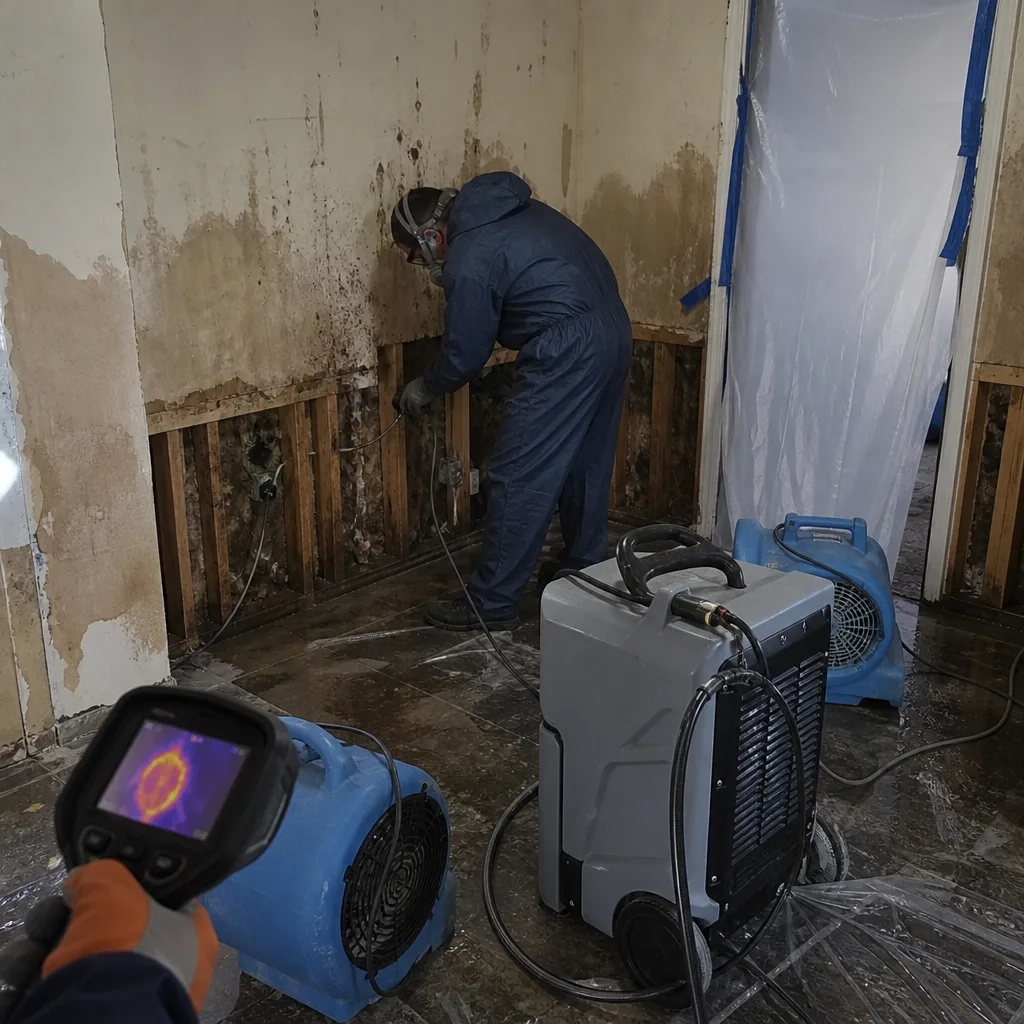 Before
 After
After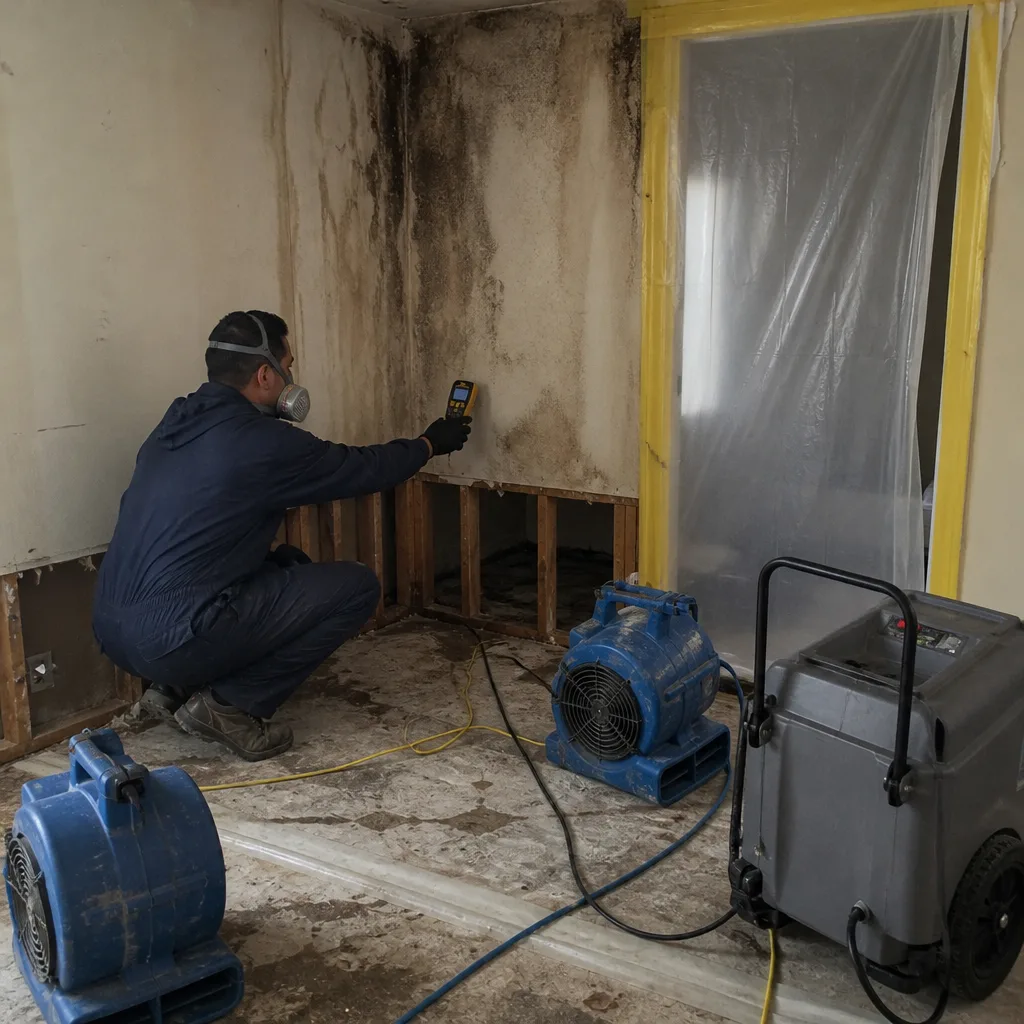 Before
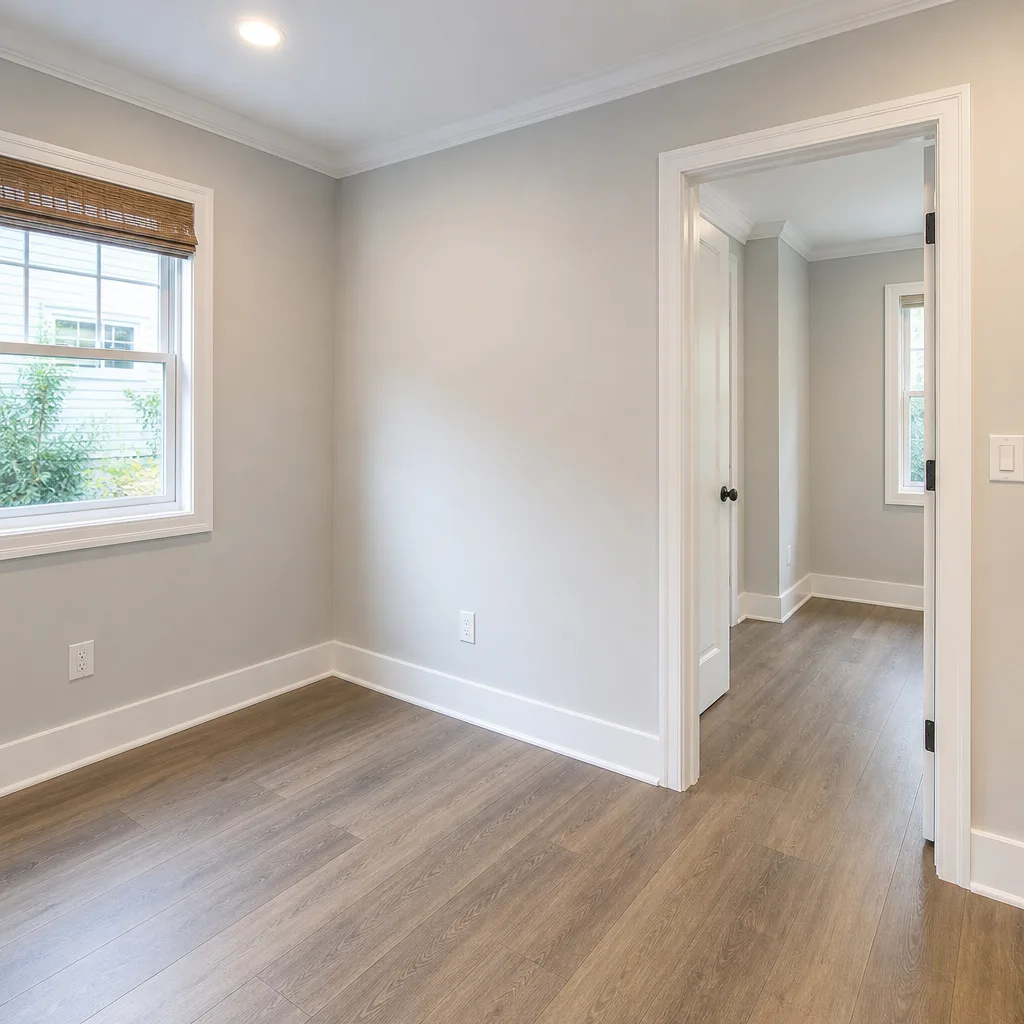 After
After