
Last updated October 16, 2026
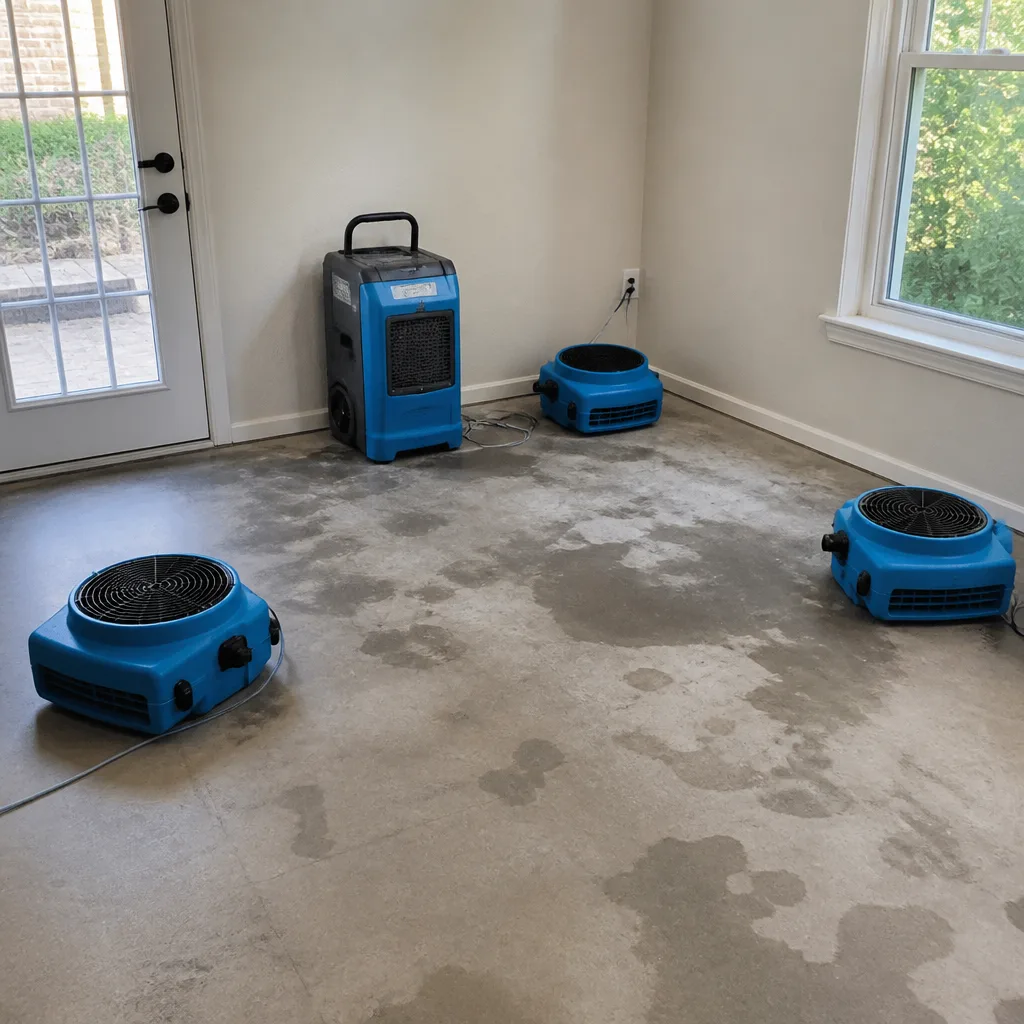 Water damage drying
 Fire & smoke cleanup
 Mold remediation
 Storm response
 Sewage cleanup
 Reconstruction
Free visual inspection and a written scope of work before any mitigation begins - photos, moisture readings, and drying logs go in your claim file
The scope we write is the scope we bill. Anything new gets shown to you, in writing, before we touch it.
Get your free estimateDamage Restoration Warning Signs: A Pasadena Homeowner’s Reference Guide
By the time you see a water stain on a ceiling, the framing above it has typically been wet for two to six weeks. The stain is the receipt, not the event. In Pasadena, where homes range from 1920s craftsman bungalows in Bungalow Heaven to mid-century ranch houses in Hastings Ranch, the way water moves through a structure varies as much as the architecture itself. This guide covers what most generic “water damage checklist” articles miss: the quiet signals your Pasadena home gives off weeks before the visible damage appears. You’ll learn where to look, what to smell for, and which bills and subtle changes in your home’s behavior are actually moisture alarms. By the final section, you’ll know exactly when to act and when to call a professional before a $400 repair becomes a $14,000 remediation.
Restoration work we handle
Quick Answer
Early signs of water damage in a Pasadena home include a musty odor that’s strongest in the morning before the HVAC kicks on, white chalky deposits (efflorescence) on concrete block or stucco walls, doors and windows that stick when they didn’t before, and an unexplained 20% spike in your Pasadena Water and Power bill. Any single one of these signals can point to hidden moisture moving through wall cavities, under slabs, or behind finishes. The earlier you catch it, the less invasive and expensive the fix becomes.
Table of Contents
- The Smell Test: What Your Nose Knows Before Your Eyes Do
- Efflorescence: The White Chalk That’s Not Cosmetic
- Sticking Doors and Windows: Not Settling, Swelling
- Your Water Bill Is a Leak Detector
- Three Flashlight Spots Most Homeowners Never Check
- Sound and Water Pressure: The Leaks You Can Hear
- Pasadena’s Seasonal Water Risks: What Changes Throughout the Year
- Common Mistakes to Avoid
- When to Call a Professional
- Frequently Asked Questions
- The Bottom Line
The Smell Test: What Your Nose Knows Before Your Eyes Do
Musty odor is the single most underrated early warning sign in a Pasadena home, and the timing of that smell matters more than the smell itself. In our experience across hundreds of local inspections, a musty smell that’s strongest in the morning, before you run the HVAC or open windows, points to moisture accumulating overnight in wall cavities, under slab foundations, or behind baseboards. During the day, air movement masks it. At night, everything settles, humidity inside enclosed spaces rises, and the microbial activity that generates that damp-earth smell becomes detectable to a rested nose. It’s a phenomenon restoration professionals call “diurnal odor cycling,” though we’d describe it more plainly: your house breathes at night, and when moisture is trapped somewhere it shouldn’t be, you smell it first thing.
In Pasadena specifically, this matters because of how our homes are built. The city’s older housing stock, particularly the craftsman and Spanish revival homes north of the 210, often sits on raised foundations with crawl spaces. When nighttime temperatures drop, moisture from the soil rises into those crawl spaces and gets pulled toward the warmer living space above. If there’s no vapor barrier, or if the one under your home is cracked, you’ll notice that morning mustiness concentrated near floor vents, along baseboards, or in closets that share a wall with the exterior. Newer homes on slab foundations present a different signature: the odor tends to be localized to a single room or wall and doesn’t move with airflow. That’s a red flag for a slab leak or a slow pipe drip behind drywall.
Don’t reach for the air freshener. Masking the odor does nothing to stop the moisture that feeds it. If you’ve noticed a musty smell that persists for more than three consecutive mornings, moisture is present somewhere, and the clock is running on wood rot, drywall degradation, and mold colonization. There’s a professional-grade tool for this: a thermal hygrometer, which measures both temperature and relative humidity in wall cavities. We’ve used them to trace a musty smell to a pinhole leak in a copper supply line hidden behind a linen closet with zero visible water damage. The homeowner had been smelling it for two months.
Efflorescence: The White Chalk That’s Not Cosmetic
If your Pasadena home has a concrete block foundation, brick exterior, or stucco finish and you’ve noticed white, chalky, almost powdery deposits on the surface, don’t dismiss it as cosmetic aging. That’s efflorescence, and it’s a specific, readable signal: water is moving through the wall regularly, dissolving minerals inside the masonry, and depositing them on the surface when it evaporates. The water leaves. The minerals stay. What you’re looking at is a fossil record of water migration through your wall.
Pasadena’s older homes in neighborhoods like Madison Heights and Garfield Heights frequently show this on north-facing walls and under window sills, where morning dew and winter rain linger longest. Stucco, in particular, acts like a sponge when its exterior seal has worn down, absorbing water during our rainy season and releasing it slowly through the wall assembly. The cycle repeats: water penetrates, minerals dissolve, evaporation leaves deposits. After two or three seasons of this, the interior framing behind that stucco can begin to rot even though the inside wall surface looks completely normal. The efflorescence outdoors is the tell that trouble may already be hidden indoors.
Here’s the practical test: if the white chalk appears powdery and loose, feel it. Taste it? No, don’t taste it, but know that efflorescence is soluble in water while mold is not. More usefully, mark the area with a pencil and check it after the next rain. Efflorescence that reappears or grows is the signal of an active moisture cycle, not a one-time event. We’ve pulled off stucco patches in Pasadena where the visible white staining covered maybe six square feet and found rotted sheathing and rusted fasteners across four times that area. The chalk is the smallest part of the problem.
In practical terms: if your Pasadena home’s stucco or block shows recurring white deposits, the correct next step is a moisture inspection with a non-invasive meter, not a fresh coat of paint. Paint seals the mineral deposits in. It does not stop the water. The water keeps moving, the minerals keep accumulating underneath the new paint, and in six months the paint blisters off and you’ve bought yourself delay, not a fix. We explain this to homeowners on a weekly basis, and the answer is the same whether the home is a 1908 craftsman or a 1978 tract house in Upper Hastings Ranch.
Sticking Doors and Windows: Not Settling, Swelling
Pasadena homeowners have a habit of attributing sticking doors to “settling.” The house is old, the seasons change, the wood expands and contracts. It sounds reasonable. But wood expands in response to moisture, not to the passage of time, and a door that stuck only after a rainy season or after a water event is often a moisture signal in disguise. Interior doors, exterior doors, and double-hung windows in Pasadena’s older craftsman homes are made of solid wood; when the ambient humidity rises, wood absorbs moisture and swells along the edges, particularly at the bottom corners where water vapor collects. A door that was fine before winter and now requires a shoulder to close is likely absorbing moisture from somewhere it shouldn’t.
The distinction matters because the fix is completely different. If the door is sticking due to high seasonal humidity, a dehumidifier will solve the problem temporarily, and the door will ease up as the dry season returns. But if the sticking is localized, meaning one door in one room, or one side of one window, that’s not ambient humidity. That’s a hidden leak. We’ve seen this in Pasadena homes with pinhole copper pipe leaks inside wall cavities, roof flashing failures that drip down into a door header, and even leaking shower pans that migrate water through an adjacent wall and into a bedroom door jamb. The door is the canary in the coal mine: it’s the visible agent that reacts to something invisible.
When we’re called out for a sticky door, the first thing we do is check the door’s moisture content with a non-invasive meter, then compare it to the moisture content of the same species of wood elsewhere in the house that isn’t sticking. If the stuck door reads 20% and the control sample reads 9%, that door is wet, and we know a leak is feeding it. If the two readings are similar, the humidity theory holds. The distinction takes about ten minutes. It saves homeowners either a plumber’s bill for a leak they don’t have, or the mistake of planing down a door that’s actually a warning sign.
Your Water Bill Is a Leak Detector
Pasadena Water and Power makes one of the best leak detection tools in the city available to every customer for free: the online usage portal, which now shows daily water consumption. If your bill jumps 20% or more with no change in household behavior, that’s a leak, not a rate increase. We’ve used this tool to pinpoint the exact day a leak started in Pasadena homes, sometimes weeks before the first visible symptom appeared. A family of four that consistently uses 9,000 gallons a month and suddenly bills 11,500 without new landscaping, a new washing machine, or guests is living with a leak. The question isn’t whether water is escaping. The question is where.
Daily usage data lets you narrow that down with surprising precision. If usage is high every day regardless of occupancy, the leak is likely in a pressurized supply line that runs constantly: a toilet flapper that never seals, a pinhole in a copper pipe, an irrigation valve that’s failing. If usage spikes on specific days, the leak correlates with an activity: laundry day, pool backwash, or a sprinkler timer running its cycle. If the meter keeps spinning while every fixture in the house is off and the shutoff valve at the street is closed, the leak is between the meter and your shutoff, which is Pasadena Water and Power’s responsibility to repair, not yours.
Here’s a 5-minute test you can run tonight:
- Turn off every water-using fixture in the house: no dishwasher, no laundry, no irrigation, no pool refill.
- Go to your main water shutoff valve and make a note of the meter reading if your meter is accessible, or check the PWP portal tomorrow for today’s overnight usage.
- Wait two hours without water use.
- Check the reading again, or check the daily graph the next morning.
- If usage moved during that dead period, you have a leak somewhere in the system.
We recommend running this test once a month, not because leaks are constant, but because the data gives you a baseline. When a leak starts, you’ll catch it within 30 days, sometimes within 48 hours, and the scope of damage shrinks dramatically. In our work, the difference between a slab leak caught in week one and a slab leak caught in week twelve is typically the difference between a targeted repair and full flooring removal plus drying in three rooms.
Three Flashlight Spots Most Homeowners Never Check
Every Pasadena home has three places that water damage loves and homeowners never inspect. These are not optional in an older home. We’ve found active leaks in each of these locations in houses that looked immaculate in every visible room.
1. Under the kitchen toe-kick. The recessed space beneath your lower kitchen cabinets, behind that little strip of trim at floor level, is where dishwasher supply lines, sink drain lines, and garbage disposal plumbing run. It’s also completely hidden. A slow leak at a compression fitting can run for months here before it soaks through the cabinet base. Get down on the floor with a flashlight, look under the toe-kick, and check for water rings, discolored wood, or a musty smell that strengthens when you put your nose near the gap. We’ve seen cleaner-than-clean kitchens in Pasadena where this single inspection revealed a leak that had already wicked into the subfloor.
2. Inside the garage, where the interior wall meets the slab. Garages in Pasadena sit slightly lower than the main floor in many older homes, and the point where the garage’s interior wall framing meets the concrete slab is a capillary bridge. If water pools against the foundation outside after rain, or if the slab itself has a moisture problem, that intersection will show it first: peeling paint at the base of the wall, a dark stain that grows upward, or white mineral deposits on the concrete itself. This is a particularly important check in the San Rafael Hills and Linda Vista, where sloped lots and runoff patterns direct water toward foundation edges.
3. At the base of the water heater flue. The flue pipe that connects a gas water heater to the roof carries exhaust, and when a roof flashing around that flue fails, rainwater runs down the outside of the pipe. It pools at the base, rusts the flue collar, and slowly soaks the platform beneath the heater. In Pasadena’s wet months, this is one of the most common sources of hidden water damage that never shows up in the living space. Shine a flashlight around the base of the flue, especially after rain, and look for a rust ring, a water stain on the sheetrock ceiling below, or any sign of water dripping down the outside of the pipe.
Sound and Water Pressure: The Leaks You Can Hear
Water makes three sounds when it’s moving where it shouldn’t: hissing, dripping, and a faint rushing. Pasadena’s older homes, especially those with original copper plumbing, often develop pinhole leaks that announce themselves as a quiet hiss inside a wall, most audible at night when the house is silent and the water heater isn’t running. Walk through your home in the dark with no appliances on, no irrigation running, and just listen. Hissing in a wall cavity or behind a ceiling is a pressurized leak in a supply line. It’s going to get worse, and it’s already been wetting whatever surface it’s aimed at.
Water pressure itself is another signal. A sudden drop in pressure at a single fixture usually means a blockage or a kink. But a gradual drop across the whole house, combined with a higher water bill, suggests a leak somewhere in the pressurized system that’s bleeding off flow. Pasadena Water and Power delivers water at around 60 to 80 psi to most residential meters; anything below 40 psi at your fixtures is noticeably weak and deserves a diagnostic look. We’ve traced pressure drops like these to underground supply leaks in front yards, where the first visible indicator wasn’t water inside the house at all, but a wet patch of lawn that the homeowner assumed was irrigation runoff.
Then there’s the toilet test, which is less about sound and more about silence. Put a few drops of food coloring in the tank, wait 20 minutes without flushing, and check the bowl. If the color has moved into the bowl, the flapper is leaking. It’s a slow leak, and it’s the most common source of hidden water loss in Pasadena homes. A flapper leak will run through 200 to 700 gallons a month, which is enough to push your water bill up without any visible sign of a problem inside the house. Replacing a flapper costs around $15. Ignoring one costs multiples of that in water charges over a year.
Pasadena’s Seasonal Water Risks: What Changes Throughout the Year
Water damage in Pasadena is not a single-season problem. The type of risk shifts dramatically with the calendar, and homeowners who understand the seasonal pattern catch problems earlier than those who assume rain is the only danger.
Winter (December through March): This is our rainy season, and the dominant risks are roof leaks, gutter overflows, and foundation seepage. Pasadena’s average annual rainfall of roughly 20 inches lands mostly in these months, often in concentrated bursts. Homes with tile roofs, common in Pasadena’s Spanish colonials, are particularly vulnerable at flashing points around chimneys, skylights, and valleys. During heavy storms, gutters that have not been cleaned since the previous summer overflow at the corners, sending water down exterior walls and into the building envelope. Check for efflorescence and wall stains after the first two or three real storms of the season.
Spring (April through June): The rains stop, temperatures climb, and the water that entered walls and crawl spaces during winter starts to evaporate into the living space. This is when musty odors strengthen, when doors that swelled in winter stick unexpectedly as humidity redistributes, and when mold growth, which has been waiting in dormant form since winter, becomes visible. Spring is also when Pasadena homeowners do annual maintenance: landscaping, painting, remodels, and it’s a common time for a contractor’s nail or screw to puncture a concealed water line.
Summer and Fall (July through November): The dry season brings its own risks, and they are not intuitive. Slab leaks become more common in late summer, when long stretches without rain cause clay soils under Pasadena’s slab homes to contract, creating small shifts that stress buried copper lines. Irrigation systems run at full capacity during these months, and a cracked valve or a punctured drip line can send hundreds of gallons into a foundation perimeter, invisible against the surrounding dry soil. The takeaway: if you see a suspiciously green patch of grass in an otherwise brown lawn during a Pasadena drought, that’s not a miracle. That’s a leak.
Common Mistakes to Avoid
- Assuming a small stain means a small problem. A ceiling stain the size of a dinner plate typically represents a leak that has been active for weeks, not a single event, and the structural damage behind the drywall is usually larger than the visible stain. In Pasadena’s older homes, we routinely find water that has traveled along ceiling joists and pooled in a completely different area from where it entered.
- Painting over efflorescence or water stains without fixing the moisture source. Paint seals the evidence, not the leak. The water keeps moving through the wall, and the stain returns, usually larger, within six to twelve months. This is one of the most common mistakes we see in Pasadena homes that are being prepared for sale.
- Running a dehumidifier and calling it a fix. A dehumidifier reduces the symptom, not the source. If the moisture is coming from an active leak, the dehumidifier will run constantly, spike your electric bill, and never actually dry the space. You’ll buy yourself time, but you’ll also buy continued wood rot and continued conditions for mold growth.
- Waiting until a room is visibly wet to call for help. By the time water is pooling on a floor or running down a wall in Pasadena, the water has already been at work inside the structure for days to weeks. The goal is to catch it before it becomes visible.
- Trusting a moisture meter reading from a hardware store tool used incorrectly. We see homeowners take a single reading in a wall and conclude the wall is dry. A single reading tells you almost nothing. Moisture moves, and professional assessment requires multiple points, reference samples, and an understanding of what normal looks like for that material in that season.
- Holding off on filing an insurance claim while you “wait and see.” Insurance policies have notification clauses. Delays in reporting water damage, even delays made in good faith, can reduce or deny a settlement. Document the damage with photos the day you find it, and report it promptly.
When to Call a Professional
You can do the flashlight checks, the food coloring test, and the water bill comparison yourself. But when the signals point to hidden water inside a wall cavity, under a slab, or behind stucco, it’s time to call in someone with professional moisture meters, thermal imaging, and the training to interpret what those tools find. Here are the scenarios where a professional assessment is worth it immediately: any musty odor that persists for more than three mornings, efflorescence that reappears after rain, a door or window that’s stuck and reads wet on a moisture meter, a water bill that jumped 20% with no behavioral change, or water that reappears after you’ve already patched a leak once. A recurring problem is a different problem.
Marsh Water Damage Pasadena offers free estimates throughout Pasadena and the surrounding San Gabriel Valley. Our technicians arrive with a written scope of work before anything starts, and every visit includes a photo-documented assessment that you keep for your records and your insurance file. Call (626) 657-5106 any time. We are the Marsh Water Damage Pasadena home team, and we answer the phone around the clock.
Frequently Asked Questions
The earliest signs are a musty smell strongest in the morning before air movement masks it, white chalky efflorescence on masonry or stucco, doors and windows that stick when they didn’t before, and a water bill that jumps 20% or more with no change in your household’s water behavior. Seeing water itself is a late-stage signal.
Water wicks into drywall, wood, and insulation within hours of contact, not days. Mold colonization can begin within 24 to 48 hours in warm, humid conditions, and wood rot starts as a slow process that accelerates as moisture penetrates deeper. In Pasadena’s dry season, surface water evaporates fast, which can create a false impression that a leak has stopped when it’s actually been absorbed into the structure.
Most Pasadena homeowner policies cover sudden and accidental water damage, such as a burst pipe or an appliance supply line failure, but exclude gradual damage from long-term leaks that were not promptly reported. The distinction often comes down to documentation. Take photos the day you find the damage, keep a log of when you first noticed it, and report the claim promptly. Our team works directly with adjusters and provides photo-documented assessments that meet insurance requirements.
No. A musty smell indicates microbial activity, which includes bacteria and mildew as well as mold. The smell itself doesn’t tell you what’s growing, but it does tell you that sustained moisture is present somewhere. The correct next step is finding and stopping the moisture source, then assessing whether professional Mold Remediation in Pasadena is required.
Marsh Water Damage Pasadena provides estimates free of charge. A full professional assessment, with moisture mapping and thermal imaging, is included in that estimate. If water damage is confirmed, repairs and restoration are priced in a written scope before any work begins, so there’s no surprise at the end.
Turn off water-using fixtures, check your Pasadena Water and Power portal for unusual daily usage, run the flashlight checks described above, and if any of them turn up positive, call (626) 657-5106. We’ll walk you through the immediate steps over the phone and schedule a free assessment. The sooner the moisture source is found, the less restoration is required.
That depends on how long the water has been present, how far it has wicked, and the materials involved. A recent leak in a bathroom with tile floors and a quick response may need only extraction and targeted drying. A leak that’s been running for weeks inside a wall cavity usually requires cutting into the drywall to inspect framing, because wood can stay wet behind a clean surface. A professional assessment with moisture meters gives you a definitive answer, and you’ll receive a written scope before any work starts. For a full picture of what restoration involves, see our Water Damage Restoration in Pasadena page.
The Bottom Line
Water damage in a Pasadena home doesn’t announce itself. It whispers: a musty smell in the morning, a door that sticks, a white chalk deposit on the foundation, a water bill that climbed without explanation. The homeowners who catch these whispers early spend hundreds on a targeted repair. The ones who miss them spend thousands on full restoration and often weeks out of the house. Know the signals. Check the three hidden spots. Watch your water bill. And when something doesn’t seem right, trust that instinct. For storm-related damage, our Storm Damage Restoration in Pasadena team covers everything from roof leaks to flood mitigation. We’re here when the whisper becomes a knock, and we’re here when you’d rather catch it before it does.
Written by Tobias Reyner, Owner at Marsh Water Damage Pasadena, serving Pasadena since 2005.
See the difference
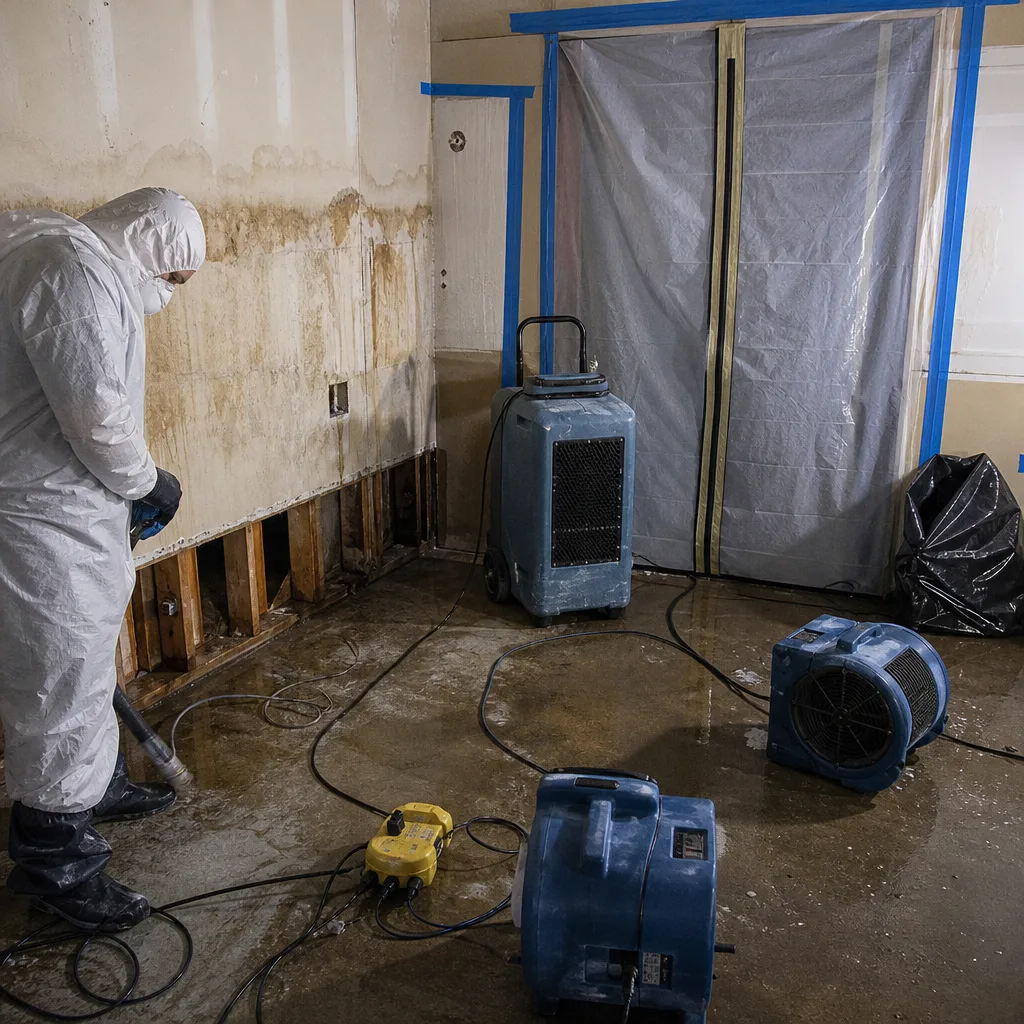 Before
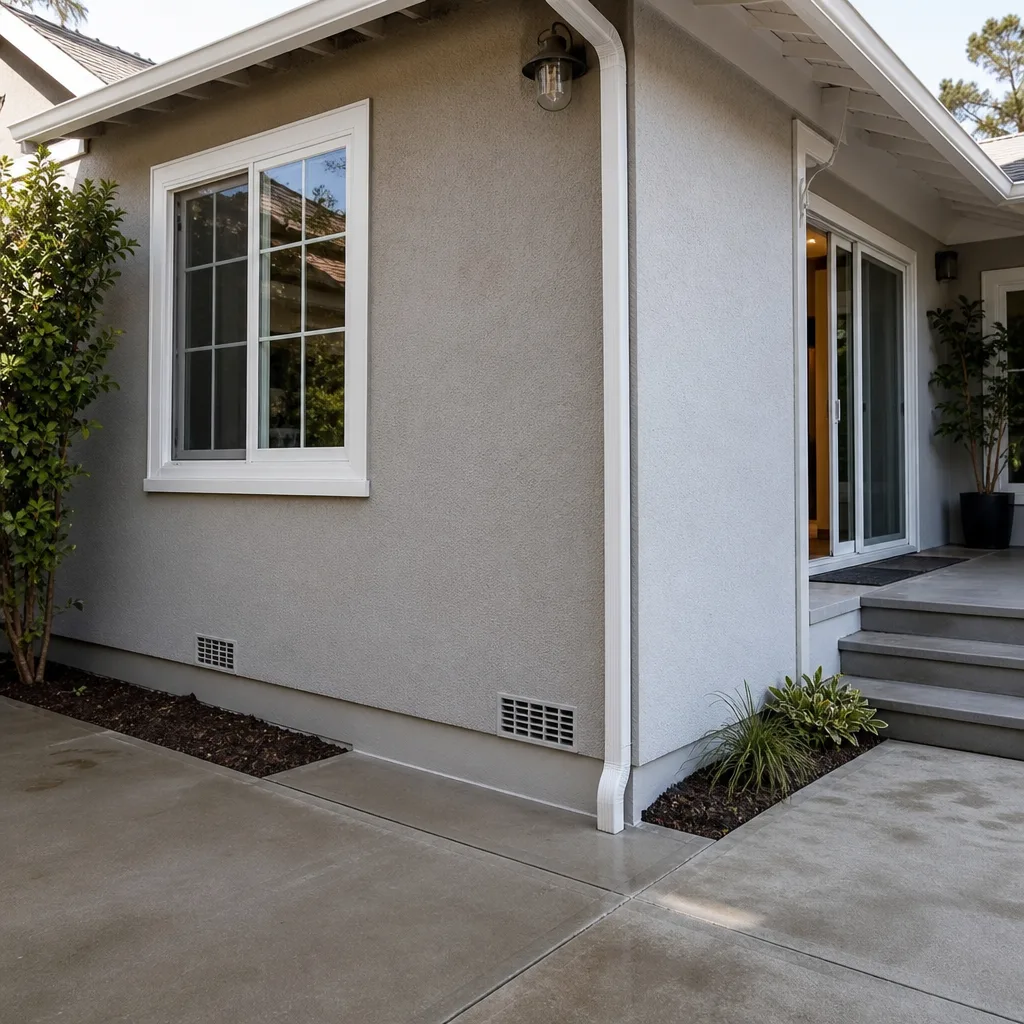 After
After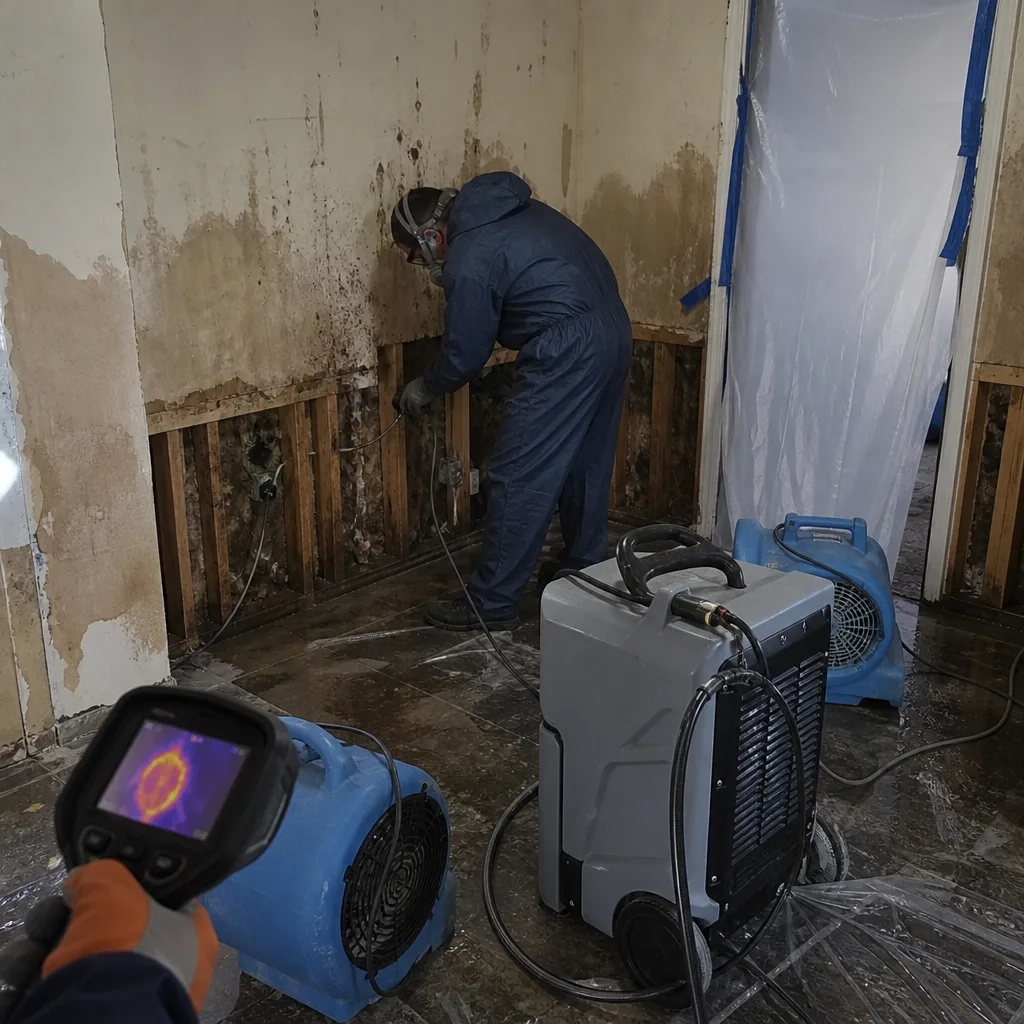 Before
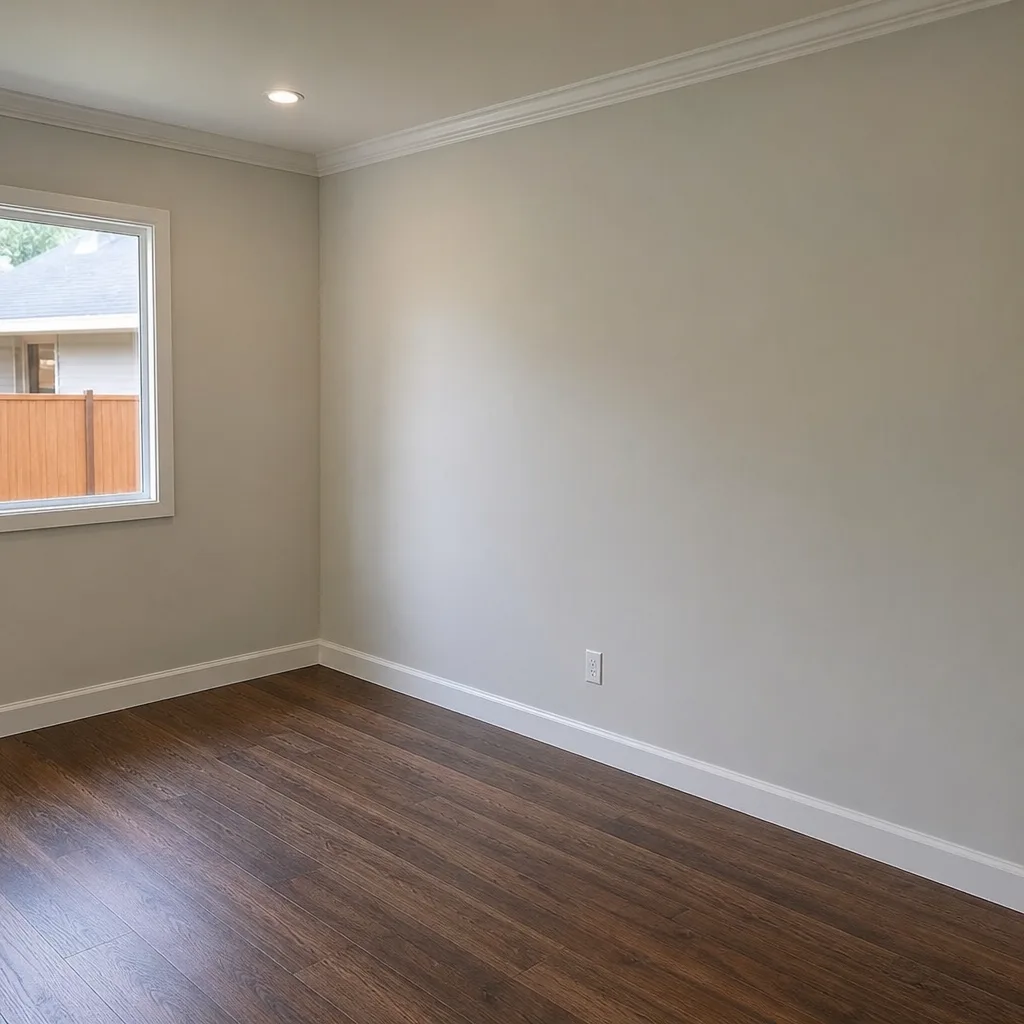 After
After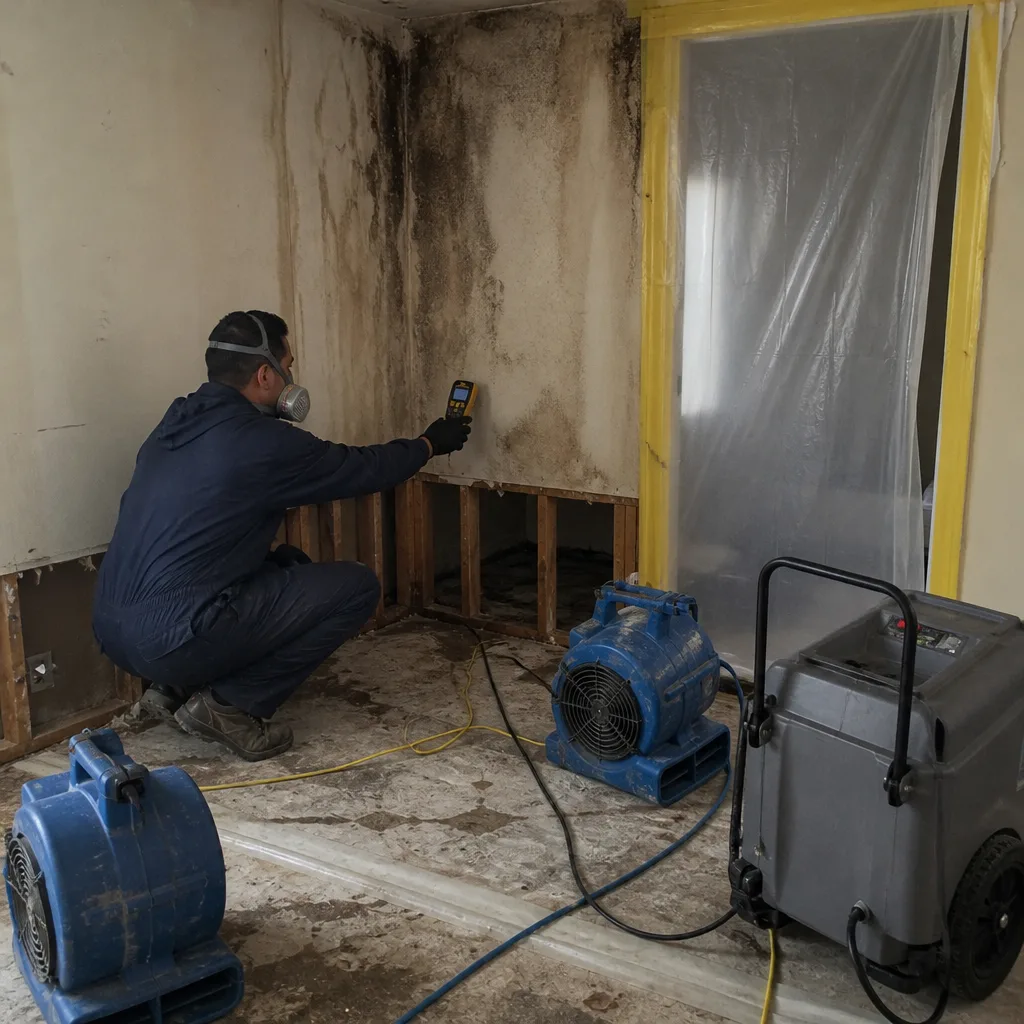 Before
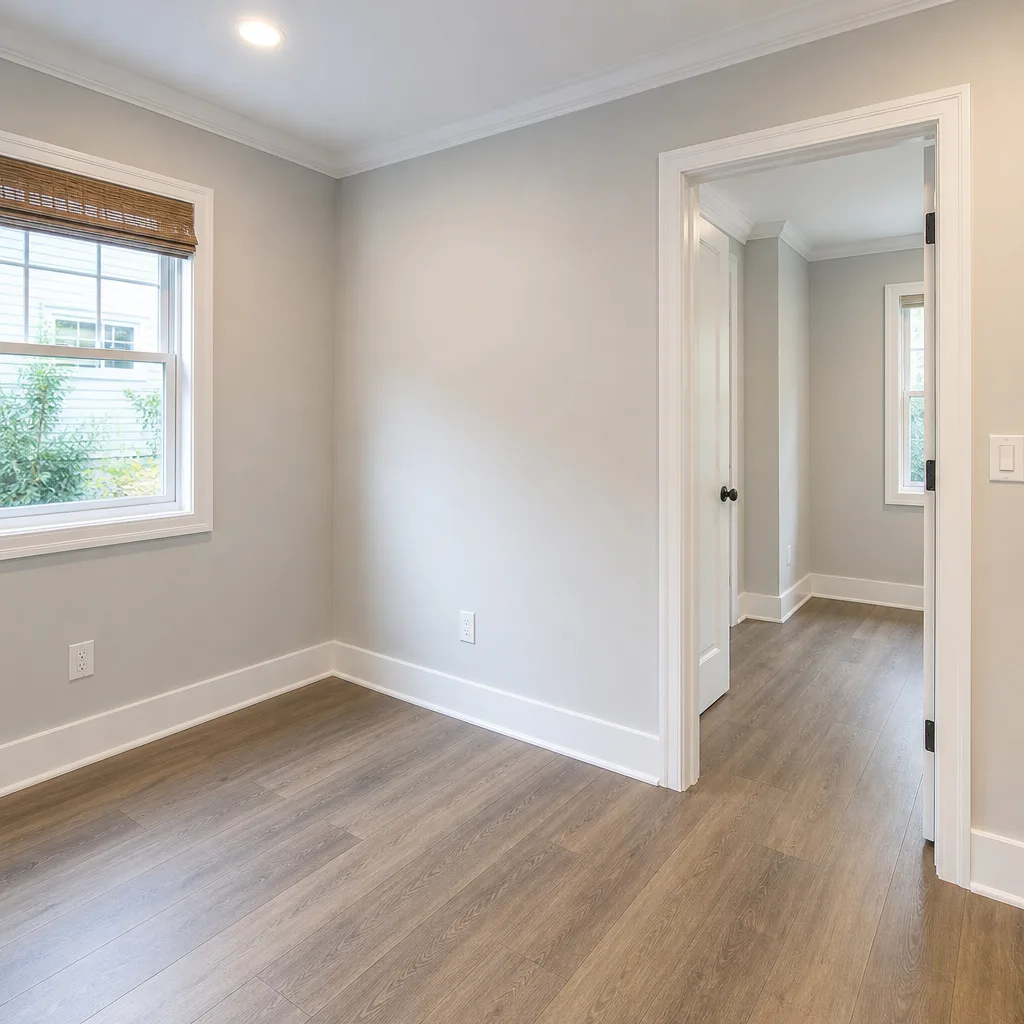 After
After