
Last updated October 16, 2026
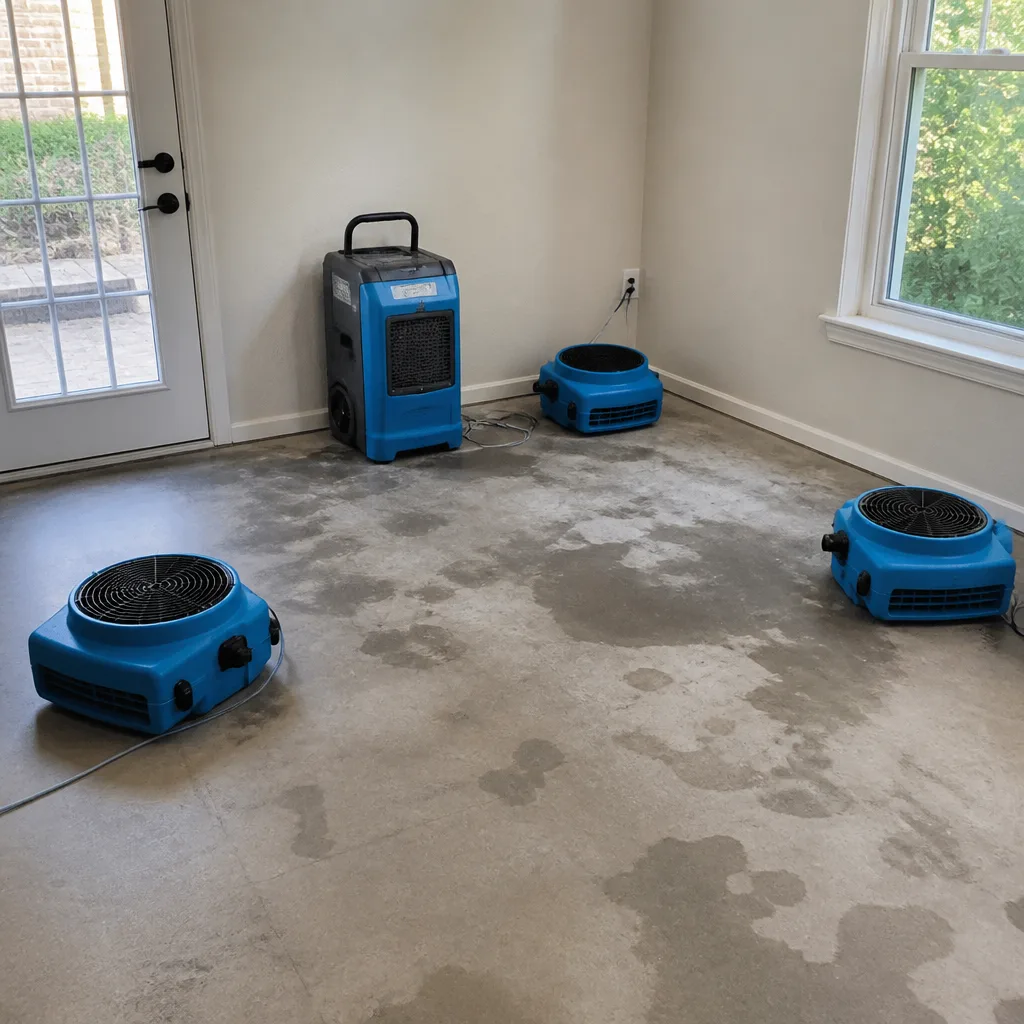 Water damage drying
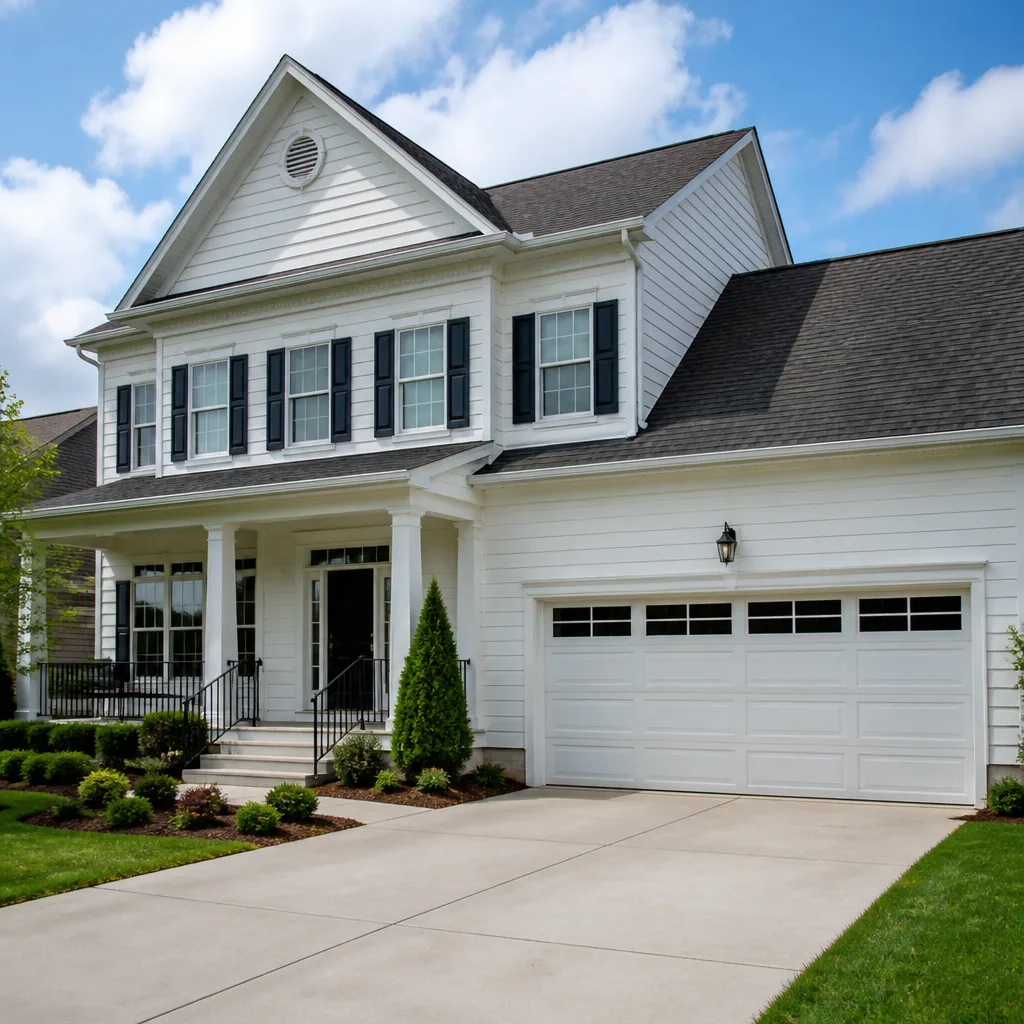 Fire & smoke cleanup
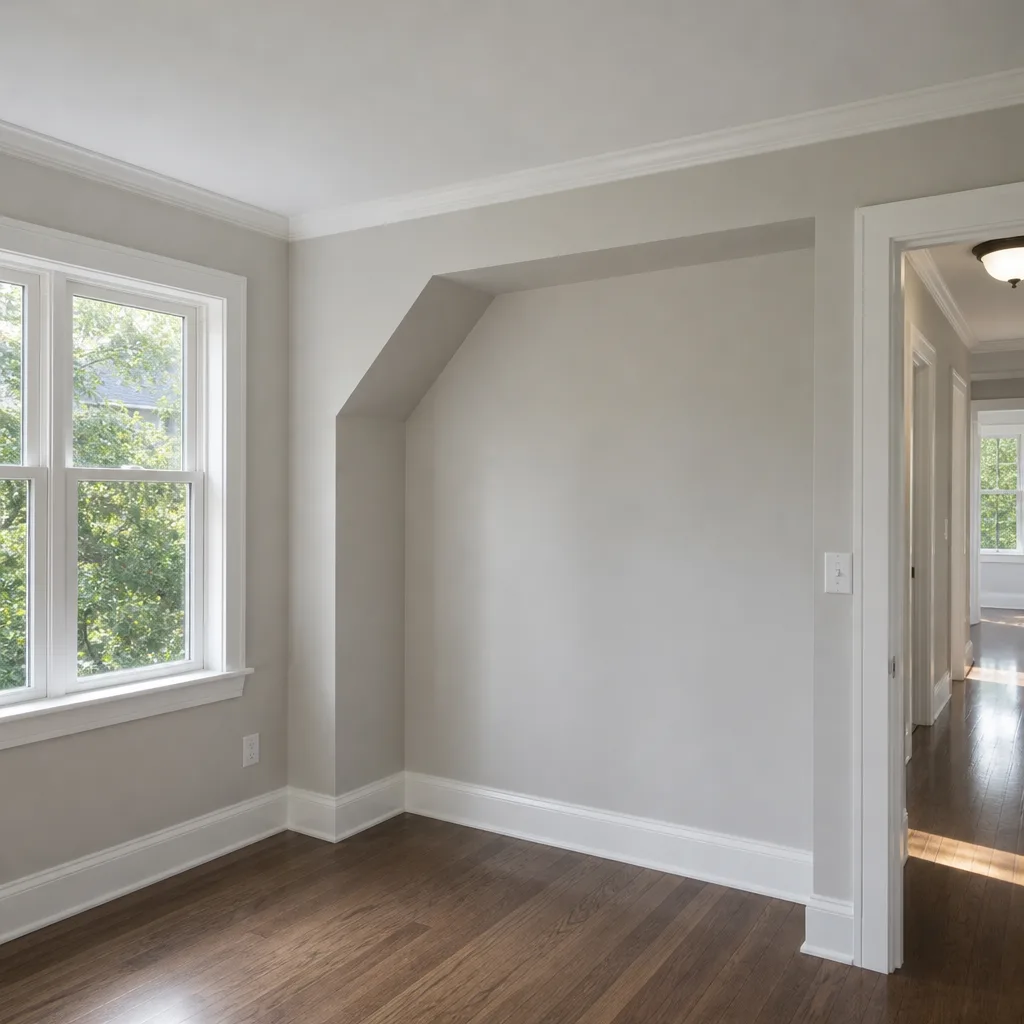 Mold remediation
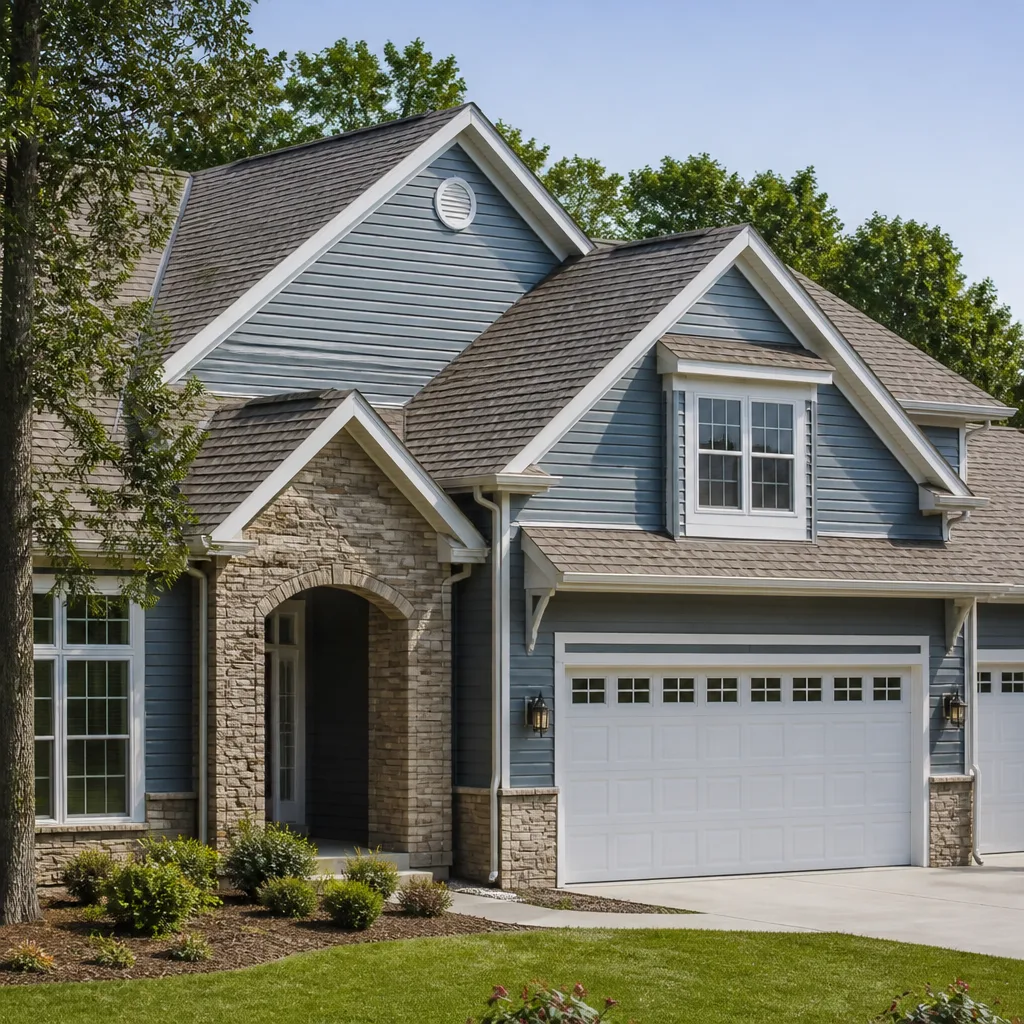 Storm response
 Sewage cleanup
 Reconstruction
Free visual inspection and a written scope of work before any mitigation begins - photos, moisture readings, and drying logs go in your claim file
The scope we write is the scope we bill. Anything new gets shown to you, in writing, before we touch it.
Get your free estimateDamage Restoration Cost Breakdown: The Pasadena Homeowner’s Reference for 2026
The national average for water damage restoration sits around $3,500. Walk into any Pasadena home with plaster walls, a hillside foundation, or wiring from 1962, and that number falls apart fast. We regularly see Pasadena jobs land between $6,000 and $18,000, not because local contractors are padding invoices, but because Los Angeles County adds cost layers that national pricing guides simply don’t have in their formulas. This guide breaks down exactly where your money goes, line by line, so you can read a restoration estimate the way a project manager does.
Restoration work we handle
Quick Answer
Water damage restoration in Pasadena typically costs between $2,500 and $18,000 depending on the water category, square footage affected, and whether mold or structural repair is triggered. Most mid-sized residential losses involving a burst supply line on a single floor fall between $6,000 and $9,000 when drying, repair, and finish work are all included.
Table of Contents
- Line-Item Cost Breakdown: Where Every Dollar Goes
- What Drives Pasadena’s Cost Premium
- How Insurance Typically Pays: ACV vs. RCV Explained
- The Hidden Costs That Surprise Homeowners
- Marsh’s Written Price Guarantee, Explained
- The Seven-Step Restoration Process in Pasadena
- Common Mistakes to Avoid
- When to Call a Professional
- Frequently Asked Questions
- The Bottom Line
Line-Item Cost Breakdown: Where Every Dollar Goes
Restoration estimates confuse homeowners because they mix emergency work, drying, demolition, repair, and finish work into one number. Pull them apart, and the pricing starts to make sense. Here’s what we see on Pasadena jobs in 2026, phase by phase.
Phase 1: Water Extraction ($300 – $800)
Extraction is the emergency response. A technician arrives with a truck-mounted or portable extraction unit and pulls standing water from floors, carpets, and pad. On a single-room loss with a half-inch of water, this runs $300 to $500. On a multi-room flood with saturated carpet throughout a Pasadena craftsman, it can hit $800. Extraction alone does not dry the structure. It’s step one, and it’s the cheapest part of the job. If you’re being quoted $2,000 for extraction alone, something is off. Our Water Damage Restoration in Pasadena team performs extraction the same day you call, because every hour standing water sits in a slab foundation, the more it wicks into drywall and baseboards.
Phase 2: Industrial Drying Equipment ($150 – $400 per day, typically 3 – 5 days)
After extraction, the real drying begins. This phase surprises homeowners most, because the equipment bill shows up as a daily rate. High-velocity air movers run $40 to $60 per day per unit. Dehumidifiers run $75 to $150 per day. A standard two-room loss needs four to six air movers and one to two dehumidifiers, which lands at $150 to $400 per day for the set. Most Pasadena homes dry in three to five days, putting equipment costs between $450 and $2,000 before labor. We run equipment from B-Air and Injectidry, commercial-grade units that pull moisture from air and structure faster than rental-store fans. Technicians take psychrometric readings (measuring the moisture in the air and inside the drywall) daily to confirm the structure is genuinely dry, not just dry on the surface.
Phase 3: Mold Remediation, If Triggered ($1,500 – $6,000)
If water sat for more than 48 hours, mold becomes a real possibility. In Pasadena’s warm climate, that window shrinks. When mold is present, remediation is a separate line item. A small contained area behind a single vanity costs around $1,500 to $2,500. A crawlspace or wall cavity that requires containment, negative air pressure, and HEPA scrubbing runs $4,000 to $6,000. Mold work is not drying work. It requires containment barriers, air filtration, antimicrobial application, and usually removal of the affected material. Our Mold Remediation in Pasadena process follows the same protocol on a small bathroom as a large commercial loss: contain, filter, remove, treat, verify.
Phase 4: Structural Repair ($2,000 – $12,000)
Once the structure is dry and mold-free, repair begins. This is where costs swing widest. Replacing drywall, insulation, and baseboards in a single room runs $2,000 to $4,500. If the loss involved a kitchen, you’re looking at cabinet removal and reset, which adds $1,500 to $4,000. Floors are a separate decision: hardwood may be salvageable with drying mats, or may need full replacement at $8 to $15 per square foot. In older Pasadena homes, structural repair often uncovers additional issues: termite damage, outdated plumbing, or framing that doesn’t meet current seismic code. Those discoveries don’t stay hidden, and they’re a legitimate part of the repair cost.
Phase 5: Final Rebuild and Finish Work (Most Variable)
The finish phase covers paint, trim, texture matching, and final flooring. On a single room, this may run $1,500 to $3,000. On a full kitchen rebuild, it can reach $15,000 to $30,000. Texture matching on older Pasadena plaster walls costs more than flat drywall. Custom baseboards, crown molding, and period-appropriate fixtures on craftsman homes all add hours. This phase is the most variable because it depends entirely on how your home was built and how much of it was damaged.
What Drives Pasadena’s Cost Premium
Restoration costs in Pasadena run 30% to 50% above national guides. Three structural factors explain most of that gap, and none of them are contractor greed.
Prevailing Wage Rules on Permitted Work
Los Angeles County enforces prevailing wage requirements on certain permitted restoration work when public funds or specific project types are involved. Even on private residential jobs, the labor pool in LA County is expensive because of the broader regulatory environment. A licensed technician in Pasadena earns more than a counterpart in Dallas, and that cost appears on your estimate as a higher hourly rate than national pricing models assume.
SCAQMD Asbestos Testing on Pre-1980 Homes
The South Coast Air Quality Management District requires asbestos testing before demolition on homes built before 1980. In Pasadena, where a significant portion of the housing stock dates to the 1920s through 1960s, this rule applies to nearly every water damage job that involves cutting into walls or ceilings. A pre-demolition asbestos survey costs $250 to $600. If asbestos is found, abatement is a separate, regulated process that can add $2,000 to $8,000. You can’t skip it. You don’t want to. The testing protects everyone who enters the home, including the technicians.
Hillside Lots, Narrow Access, and Special Equipment
Pasadena’s hillside neighborhoods like Linda Vista, San Rafael, and the streets above the Rose Bowl present access challenges that flat-lot restoration never encounters. If a truck-mounted extraction unit can’t park within 100 feet of the door, technicians carry portable units up stairs or through narrow side yards. On steep lots where dumpsters can’t be placed, debris is bagged and hand-carried. Some homes require a crane for roof damage, and crane time in LA County runs $400 to $800 per hour. None of this appears in a national cost calculator.
How Insurance Typically Pays: ACV vs. RCV Explained
The single largest driver of your out-of-pocket restoration cost is your insurance policy’s valuation method. Two policy types dominate, and the difference can mean thousands of dollars out of your checking account.
Actual Cash Value (ACV) pays the replacement cost of damaged materials minus depreciation. A carpet with a ten-year life that’s five years old gets paid at 50% of its replacement cost. If your kitchen flood ruins a tile floor that was installed in 2009, ACV coverage may pay almost nothing for that floor, because in the eyes of the policy, a 17-year-old floor has depreciated to near zero.
Replacement Cost Value (RCV) pays what it actually costs to replace the damaged material with new material of like kind and quality, with no depreciation deduction. Most homeowners policies in Pasadena are RCV, but that’s only true if you’ve kept your policy updated. We’ve seen a standard kitchen water loss leave a $4,000 gap between what ACV covers and what RCV covers, on a job that looked identical from the outside.
Read your policy declarations page. Look for the words “actual cash value” or “replacement cost.” If it says ACV, call your agent before you need to make a claim and ask what upgrading to RCV would cost. The premium difference is usually modest compared to the claim gap.
The Hidden Costs That Surprise Homeowners
Restoration estimates cover the visible work: extraction, drying, repair. But every experienced adjuster knows the real claim lives in the line items homeowners never thought to ask about. Here are the four that show up most often in Pasadena.
- Contents pack-out and storage. If your living room floods, everything in it has to go somewhere while drying happens. Moving, storing, and returning contents runs $800 to $2,500 on a standard loss. If furniture needs cleaning or deodorizing, add more.
- Hotel reimbursement limits. Most policies cap additional living expense coverage, often at 20% of dwelling coverage. In Pasadena, where a decent hotel runs $200 to $300 per night, a two-week stay burns through $4,200 fast. Know your cap before you book a room.
- The code upgrade clause. This one works in your favor. California building codes require that any area you open up be brought to current code before it’s closed. If your 1960s wiring or galvanized plumbing is exposed during restoration, the insurer often must pay to bring it to code. Our team documents code violations with photos and written notes, because that documentation is what triggers the coverage.
- Debris disposal fees. LA County transfer stations charge $60 to $90 per ton, and a gutted bedroom produces one to three tons of debris. On top of that, Pasadena requires proper disposal documentation for certain materials. It’s a small line item, but it’s on every estimate and homeowners often ask why it’s there.
Marsh’s Written Price Guarantee, Explained
Here’s how our pricing actually works on a Pasadena job, because ‘written estimate’ means nothing if it’s written in pencil.
Every Marsh work order carries a stamped not-to-exceed number. That number is the maximum you’ll pay for the scope described. If demolition reveals more damage than expected, we document it, show you the evidence, and amend the scope before continuing. Nobody keeps working on a verbal promise and then sends a surprise invoice. The number you approve is the number you pay, unless you approve a change in writing.
Behind that number sits the 365-Day Done Right Promise. If any repair we perform fails within 365 days of completion, we return and fix it. The second visit is free. There is no fee to schedule it, no diagnostic charge to look at the problem, no invoice generated for the correction. That promise is printed on every work order, not as marketing language but as a contract term. If the repair isn’t right, we make it right. Period.
And before any of this happens, you know exactly who is walking through your door. Our Threshold Verified protocol sends every technician to your home by name and photo before they arrive. They show identification at the door, every time. When you call Marsh, a live person answers, 24 hours a day, including holidays, because water doesn’t wait for business hours and neither should you.
The Seven-Step Restoration Process in Pasadena
Understanding the sequence helps you read estimates and ask better questions. Every professional restoration job in Pasadena follows the same basic arc, whether we’re handling it or another company is.
- Emergency contact and dispatch. A live person answers, gathers the basics, and dispatches a technician. In Pasadena, response time within city limits is typically 60 to 90 minutes.
- Assessment and documentation. A technician identifies the water source, measures affected areas, and photographs everything. This documentation matters for insurance. We photograph every affected surface before touching anything.
- Extraction. Standing water is removed using professional extraction equipment. On slab foundations common in Pasadena, extraction includes pulling water from carpet pad and the floor-wall junction.
- Drying and dehumidification. Air movers and dehumidifiers are placed strategically, and the drying process begins. Drying typically runs three to five days in Pasadena, longer during coastal overcast periods when humidity stays elevated.
- Demolition and removal. Materials that can’t be dried, typically wet drywall, insulation, and padding, are removed and disposed of. On pre-1980 Pasadena homes, asbestos testing happens before this step.
- Repair and restoration. New materials are installed, and the structure is returned to its pre-loss condition. This includes any code upgrades required by California building standards.
- Final verification and walkthrough. Moisture readings confirm the structure is dry, repairs are inspected, and you receive documentation of everything that was done, including the guarantee.
Common Mistakes to Avoid
- Waiting to call because you want to talk to insurance first. Insurance companies expect prompt mitigation. A 48-hour delay that allows mold to develop can become a coverage dispute. Call the restoration company first; call the insurer from the driveway.
- Choosing a contractor based on the lowest estimate. In Pasadena, low estimates usually mean someone is skipping asbestos testing, using rental-store fans, or planning to discover ‘supplemental charges’ after demolition starts. If the number is far below the ranges in this guide, ask why.
- Ignoring the drying equipment line item. Homeowners sometimes decline professional drying to save money, then pay three times more for mold remediation a month later. Drying is not the place to economize.
- Not documenting everything yourself. Take photos before the restoration crew arrives, of every room, every wall, every piece of furniture. Your photos plus our photos create an evidence trail that makes insurance disputes shorter.
- Accepting an estimate without a not-to-exceed clause. Any restoration company can give a verbal number. A written, stamped not-to-exceed number is a different thing. If they won’t put it in writing, walk away.
- Assuming your policy covers everything. Read the exclusions page. Many Pasadena homeowners learn during a claim that slow leaks, sewer backups, or flood damage are excluded or capped. Knowing before a loss is far better than learning after one.
- Hiring a company that can’t tell you who’s coming. You’ll have technicians in your home for days. If a company can’t name the person showing up and verify their background before arrival, you’re accepting a stranger at your door in your most vulnerable moment. The Threshold Standard exists so you never have to.
When to Call a Professional
You need a professional restoration company when water has touched drywall, flooring, or the wall cavity, when water sat for more than a few hours, or when you see damage restoration warning signs like discoloration, buckling, or musty smells. You also need a professional when the water source might be contaminated: a sewer backup, a washing machine overflow that sat overnight, or stormwater that entered through the foundation. These situations carry health risks that store-bought fans and bleach can’t address. Marsh Water Damage Pasadena offers free estimates throughout Pasadena. Call (626) 657-5106 and a live person will answer, day or night.
Frequently Asked Questions
Most Pasadena water damage restoration jobs cost between $2,500 and $18,000, with mid-sized single-floor losses from a burst supply line landing between $6,000 and $9,000. Your specific cost depends on square footage, water category, whether mold is triggered, and how much finish work the rebuild requires.
Most homeowners policies cover sudden and accidental water damage, such as a burst pipe or an appliance failure, but exclude damage from slow leaks, neglect, or flooding. Your payout depends on whether your policy is actual cash value or replacement cost value. Call (626) 657-5106 for a free estimate and we’ll document everything your adjuster needs to see.
A professional restoration company should reach most Pasadena addresses within 60 to 90 minutes of your call, any hour of any day. At Marsh, a live person answers 24/7 and dispatches a technician immediately. Every hour water sits, the damage spreads further into walls and flooring.
Professional drying equipment moves air at 1,500 to 2,800 cubic feet per minute and pulls moisture with a refrigerant or desiccant dehumidifier. Rental-store fans and open windows can’t remove water that has already soaked into drywall and subfloor. The risk of skipping professional drying is mold growth, which converts a $600 equipment bill into a $4,000 remediation project.
California building code requires that any area opened during restoration be brought to current code before it’s closed, and most insurance policies include a code upgrade clause that pays for this work. For details on local requirements, see our guide to Damage Restoration Permits, Codes & Inspections in CA: What You Need to Know. If your pre-1980 Pasadena home has outdated wiring or plumbing exposed during restoration, the insurer often covers bringing it up to code. Proper documentation is the key to getting this coverage, which is why we photograph and document every code issue we find.
Ask for the company’s verification protocol before you schedule. At Marsh, every technician is background-checked, identity-verified, and sent to you by name and photo before the visit, then shows a photo ID badge at the door, every time. The Threshold Standard exists specifically so Pasadena homeowners, including those who are often home alone or have young children, never have to wonder who is knocking. Call (626) 657-5106 and we’ll tell you exactly who is coming before they arrive.
The Bottom Line
Restoration pricing in Pasadena is higher than national averages because Pasadena is a higher-cost place to work, with older homes, stricter environmental rules, and a labor market shaped by LA County regulations. That’s not a scam; it’s the real cost of doing the job correctly. The danger isn’t paying a fair Pasadena price. It’s paying a national-average price and getting a national-average job: skipped asbestos testing, rental-store drying equipment, and a repair that fails in six months. See our DIY vs Professional Damage Restoration: The Pasadena Homeowner’s Decision Guide for why cutting corners rarely pays off. Get a written not-to-exceed price, verify who is coming to your door, and require a real guarantee. That’s what protects you, not a low estimate from a company that can’t explain its numbers.
Written by Tobias Reyner, Owner at Marsh Water Damage Pasadena, serving Pasadena since 2005. Browse more guides & resources on protecting your home.
See the difference
 Before
 After
After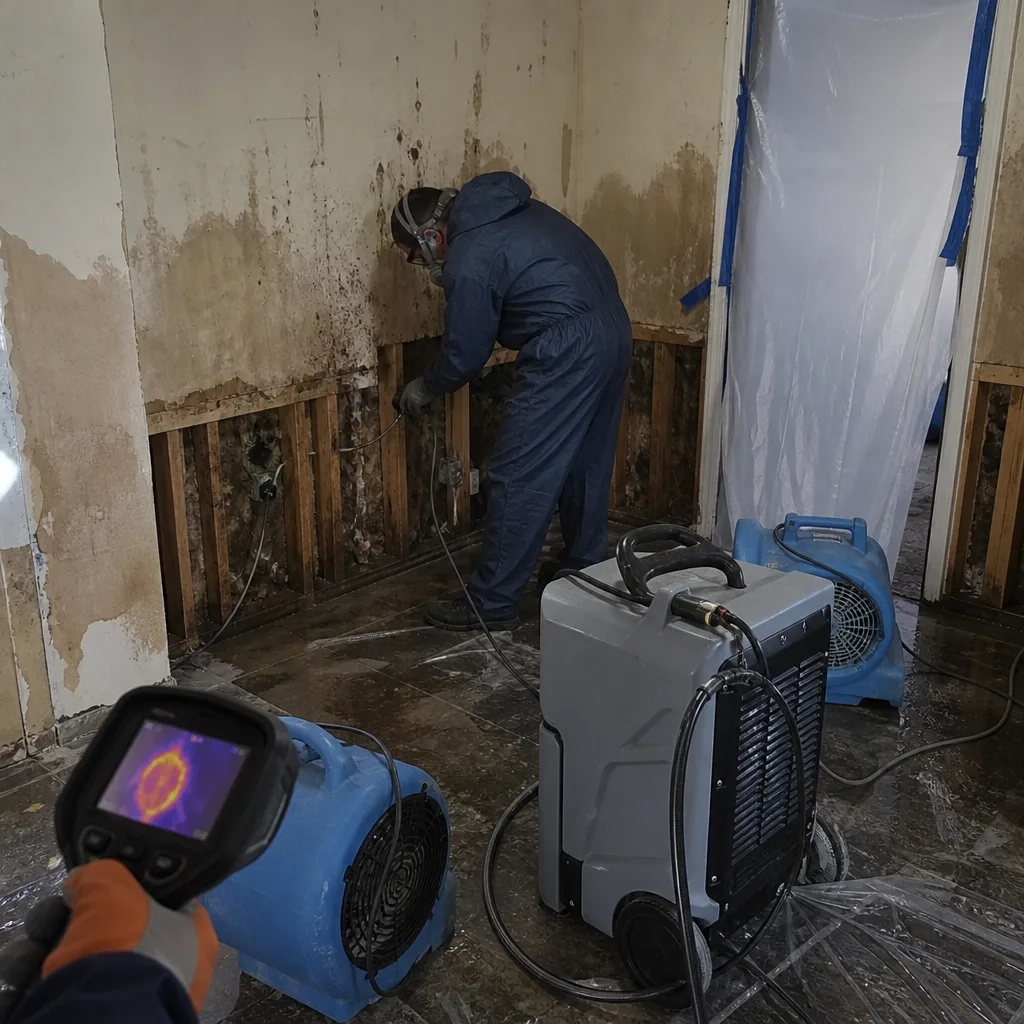 Before
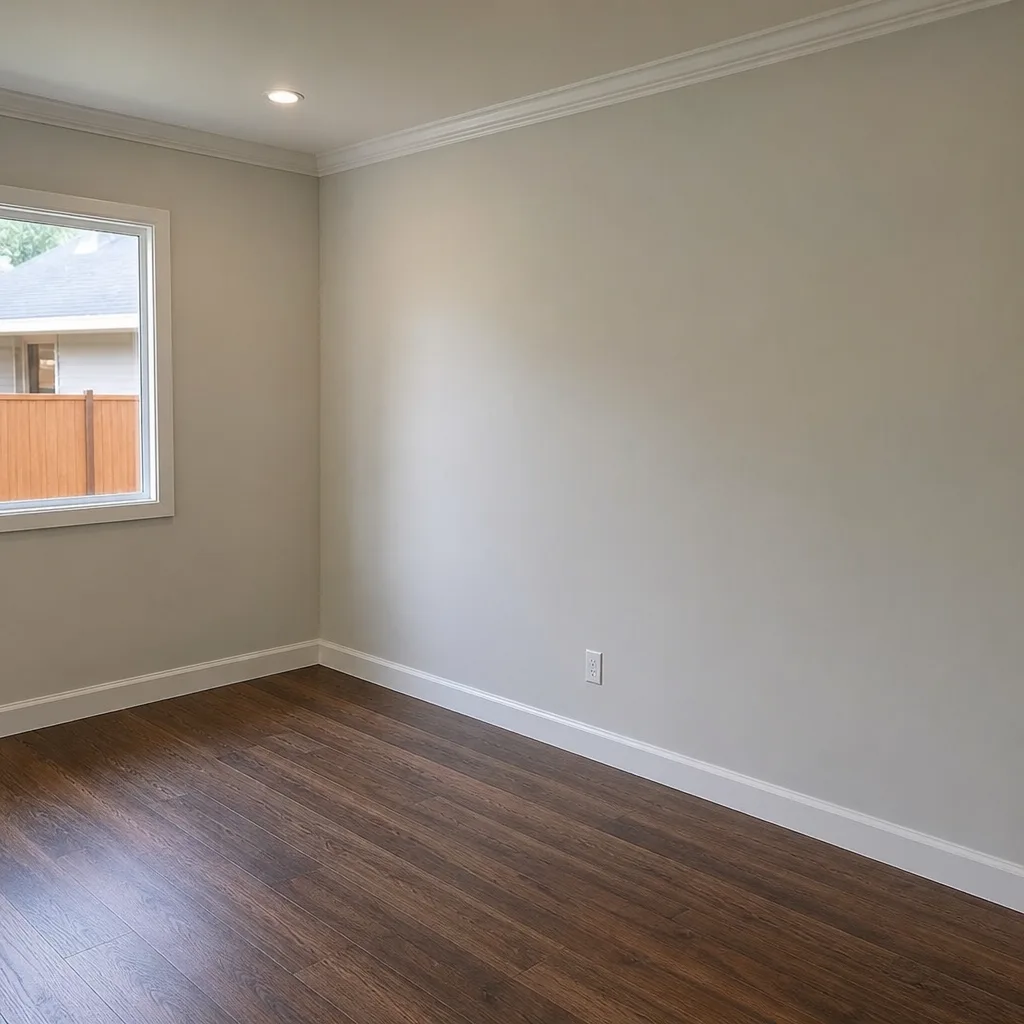 After
After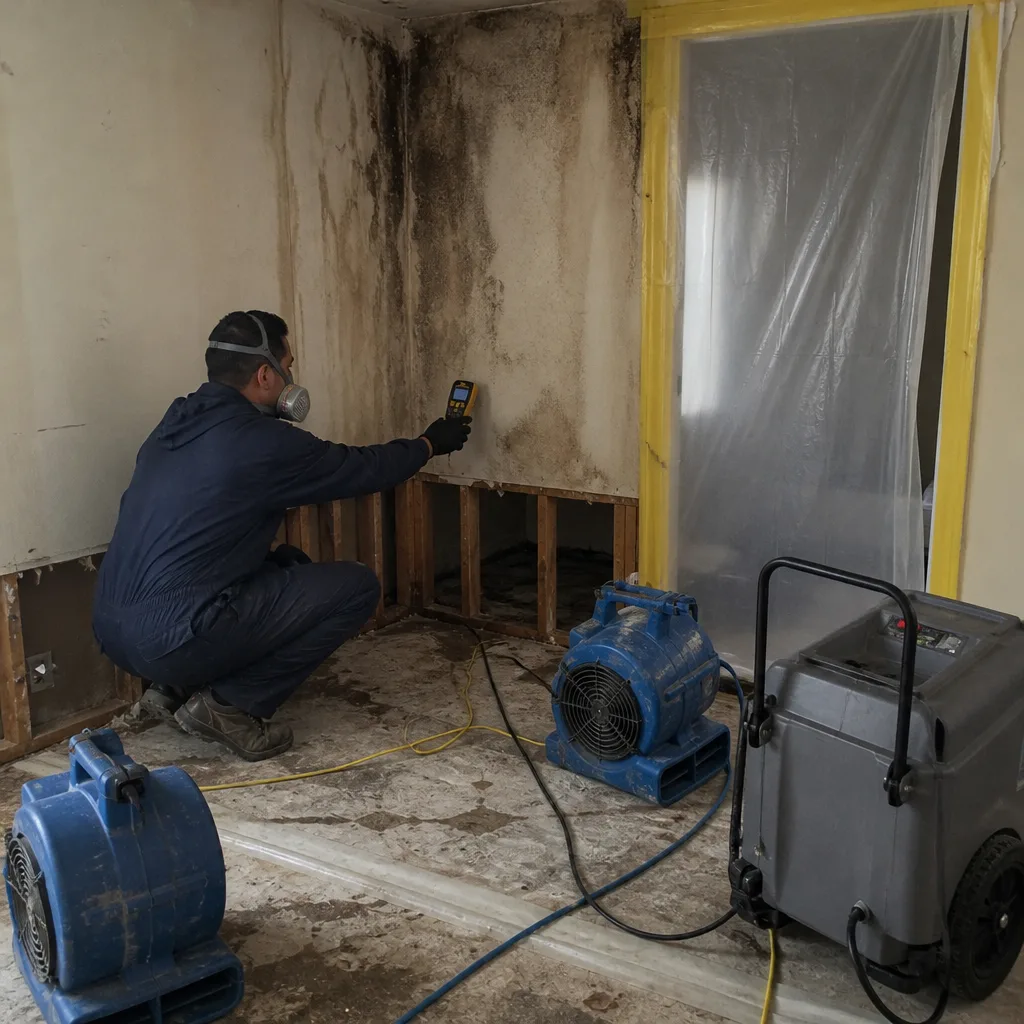 Before
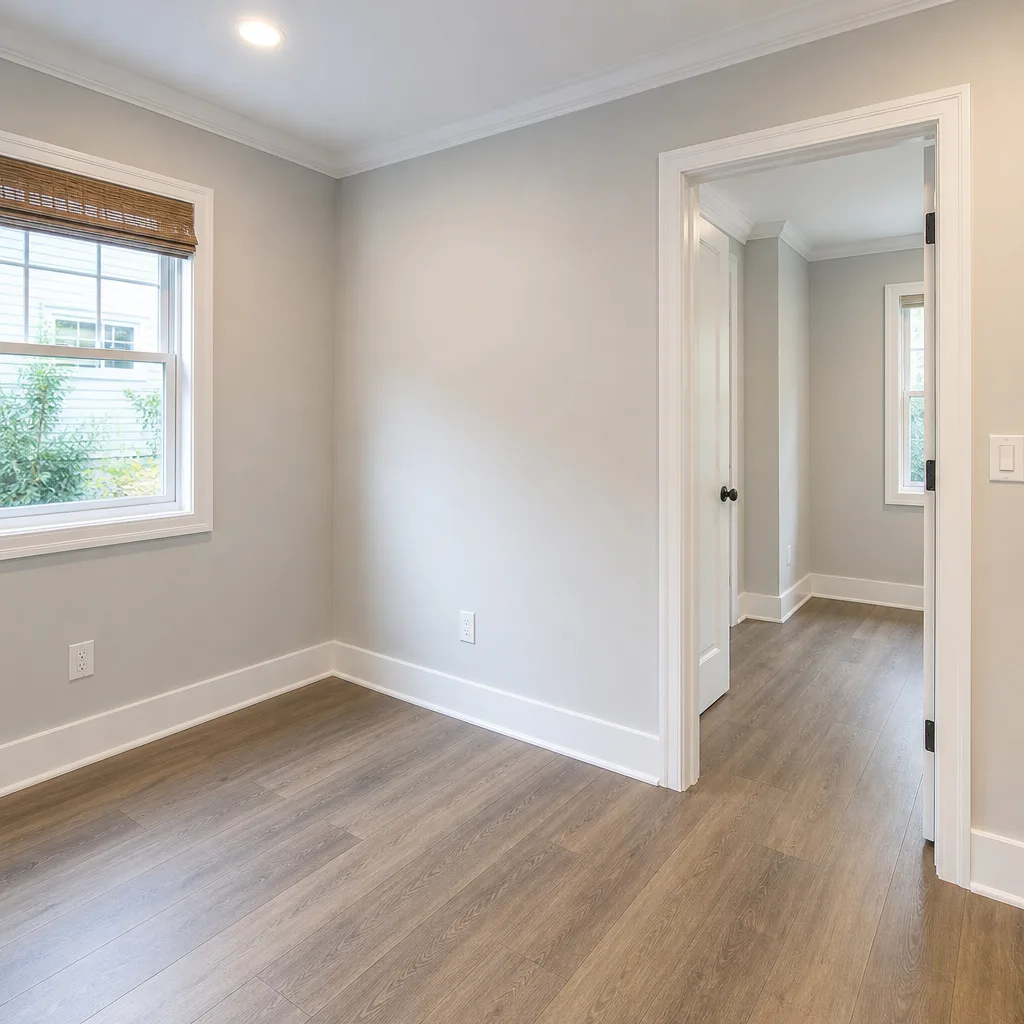 After
After