
Last updated October 16, 2026
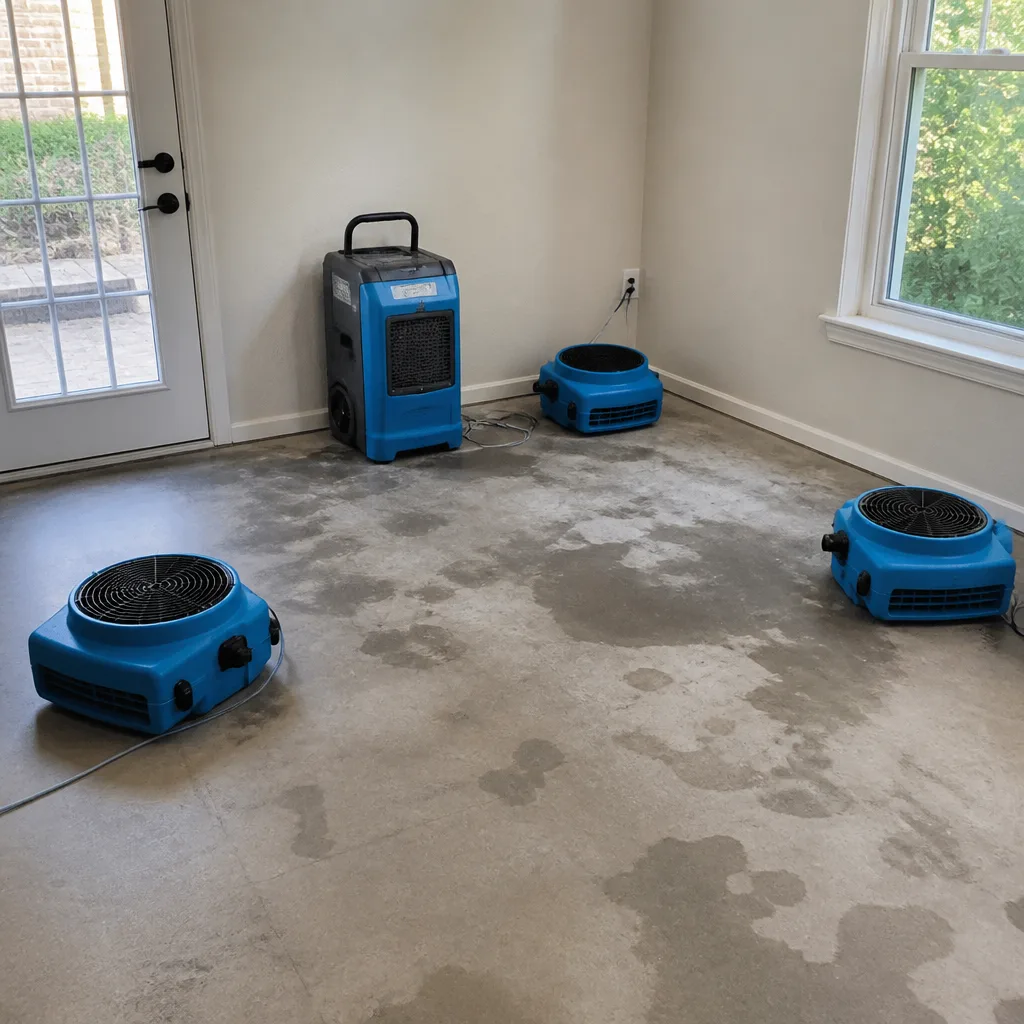 Water damage drying
 Fire & smoke cleanup
 Mold remediation
 Storm response
 Sewage cleanup
 Reconstruction
Free visual inspection and a written scope of work before any mitigation begins - photos, moisture readings, and drying logs go in your claim file
The scope we write is the scope we bill. Anything new gets shown to you, in writing, before we touch it.
Get your free estimateDamage Restoration Permits, Codes & Inspections in CA: What You Need to Know
A homeowner in Pasadena’s San Rafael neighborhood sold their house three years after a water damage restoration job. Escrow collapsed in the final week. The buyer’s inspector flagged structural repairs made by the restoration contractor: a load-bearing wall section had been rebuilt, but no City of Pasadena building permit was ever pulled. The seller had to either retroactively permit the work, pay a penalty, and renegotiate, or lose the sale. The job itself was done competently. The paperwork was not. That’s the part nobody tells you when water is pooling across your hardwood.
This guide covers what the City of Pasadena and the State of California actually require for damage restoration work. We’ll walk through which repairs trigger permits, what codes apply to water and mold remediation, how inspections work, and how to keep your insurance and future home sale intact. This is the resource I wish every homeowner had before making a panicked phone call, and you can find more guides & resources on our blog.
Restoration work we handle
Quick Answer
Most water damage cleanup and drying work in Pasadena does not require a building permit. But the moment your restoration involves structural alterations, electrical work, HVAC duct replacement, or demolition in a hillside zone, you need a City of Pasadena building permit. Skipping it can void insurance coverage, create a title defect when you sell, and trigger penalties under California law. Always ask your restoration contractor to put permit needs in writing before work starts.
Table of Contents
- When Does Restoration Work Require a Permit in Pasadena?
- Building Permits vs. SCAQMD Clearances: What’s the Difference?
- California Health & Safety Code 17920.3: Why Substandard Conditions Matter
- “Closed Without Final Inspection” – The Four Words That Kill Escrow
- How to Get a Post-Restoration Inspection Sign-Off
- How Permits and Codes Affect Your Insurance Claim
- Pasadena’s Hillside and High Fire Hazard Zones: Extra Rules
- What a Clean Permit Paper Trail Looks Like
- Common Mistakes to Avoid
- When to Call a Professional
- Frequently Asked Questions
- The Bottom Line
When Does Restoration Work Require a Permit in Pasadena?
Here is the honest breakdown. If your water damage restoration stays within the scope of “cleanup and drying,” the City of Pasadena building department has no interest in it. We’re talking about water extraction from carpet and pad, drying drywall with air movers, taking psychrometric readings (measuring the moisture in the air) to confirm the structure is truly dry, and antimicrobial treatment of affected surfaces. No permit. No inspection. You can start this work the same day you call.
The line gets crossed when restoration becomes reconstruction. Here are the specific scope items in a Pasadena water damage job that trigger a City of Pasadena building permit requirement:
- Structural wall removal or alteration: If a restoration contractor cuts out a section of load-bearing wall, installs a header, or changes the framing in any way, that is structural work and it requires a permit. Non load-bearing drywall replacement does not.
- Electrical work exposed by water: If outlets, wiring, or a subpanel were submerged or damaged, the repair work falls under the California Electrical Code and requires a permit through Pasadena’s Building & Safety division.
- HVAC duct replacement: Water-damaged ductwork that gets replaced, not merely cleaned, is a mechanical modification. That triggers a permit for the mechanical work.
- Any work in a hillside or high fire hazard zone: Pasadena includes large areas of hillside terrain, including neighborhoods in the foothills like Hastings Ranch and areas near Eaton Canyon. Work that would be exempt elsewhere is often NOT exempt there because of slope stability and fire safety code requirements.
- Plumbing line replacement beyond the fixture: Replacing a supply line from the wall to a sink is typically a repair. Replacing entire runs of pipe inside a wall is an alteration and needs a permit.
If your restoration contractor tells you a permit is not needed for work that falls into any of those five buckets, get a second opinion. In our experience at Marsh Water Damage Pasadena home, we’ve had to correct this exact situation for Pasadena homeowners more than once. A contractor who avoids permits is not doing you a favor. They are transferring liability onto you.
Building Permits vs. SCAQMD Clearances: What’s the Difference?
There are two separate regulatory systems that can apply to a single restoration job in Pasadena. Confusing them causes real trouble. Let’s separate them clearly.
The building permit is issued by the City of Pasadena’s Building & Safety division. It governs structural work, electrical work, plumbing, mechanical work, and anything that changes the physical condition of the building. A building permit is what your contractor pulls before construction starts, and it requires an inspection after the work is done. That inspection produces a final sign-off, which goes onto the property’s permanent record.
The SCAQMD clearance is a different animal entirely. SCAQMD stands for the South Coast Air Quality Management District, which regulates air quality in the Los Angeles basin, including Pasadena. Before any demolition disturbs materials that might contain asbestos, the SCAQMD requires an asbestos survey by a certified consultant. Pasadena’s housing stock is older. Homes built before 1980 frequently contain asbestos in drywall joint compound, vinyl flooring, popcorn ceilings, and pipe insulation. When a water damage restoration job involves demolition (removing walls, cutting out flooring), the contractor must confirm that no asbestos-containing materials will be disturbed. If asbestos is present, an abatement clearance from SCAQMD is required before general demolition can proceed.
Here’s the most common scenario where homeowners get burned. A restoration crew arrives, starts pulling wet drywall, and they hit a layer that tested positive for asbestos during the required pre-work survey. The job stops. The SCAQMD clearance process takes days, sometimes a week or more. That’s not a contractor dragging their feet. That’s a legal requirement. Any contractor who skips the asbestos survey to “move faster” is violating federal NESHAP regulations and state law. More importantly, they’re putting your family’s lung health at risk and exposing you to liability.
Ask your restoration company two questions before demolition starts: “Is a City of Pasadena building permit required for any part of this scope?” and “Have you completed the SCAQMD asbestos survey?” Both answers should be in writing on your work order.
California Health & Safety Code 17920.3: Why Substandard Conditions Matter
This is a section of California law that almost no homeowner knows exists until it matters, and then it matters enormously. Health & Safety Code Section 17920.3 defines what constitutes a “substandard building” in California. The list includes dampness in habitable rooms, visible mold growth, structural hazards, faulty weather protection, inadequate sanitation, and conditions that endanger life, health, or safety of the occupants.
Here’s the part restoration contractors often do not explain. If water damage has progressed to the point where the home meets the legal definition of substandard under 17920.3, the law requires that the condition be corrected, not merely covered over. A contractor who dries the surface, paints over the stain, and calls it done may be leaving the property in a condition that is still legally substandard. If the home is later inspected, the owner, not the contractor, is the one cited.
What does that mean practically for a Pasadena homeowner? If you have visible mold growth in a habitable room, water staining that has saturated structural members, or a floor system that has been compromised by long-term exposure to water, the scope of your restoration is no longer just “cleanup.” It is correction of a substandard condition, and under California law that carries a duty to report in some rental and sale circumstances.
A permit is not required simply because a condition is substandard. But the correction work often enters permit-required territory once you start addressing structural damage. The point is this: the code status should drive your decisions, not a contractor’s suggestion to “just get it dry and move on.”
“Closed Without Final Inspection” – The Four Words That Kill Escrow
Okay. Let’s talk about what a title search reveals. When a Pasadena home is sold, part of the escrow process includes a review of the building permit history. Buyers and their inspectors look at this. The phrase that causes more collapsed escrows in restored Pasadena homes than any other is this: “Closed without final inspection.”
Here’s what it means. A permit was pulled for some work on the property. The work may have been completed. But the city inspector never performed the final inspection, or the inspection was scheduled and the project was closed out administratively without a final sign-off. The permit file sits there, open, and a title search can see it.
Why is this the most dangerous four words a title search can return? Three reasons. First, it signals to any buyer or buyer’s inspector that the work may not have been completed correctly. Second, it creates a disclosure liability for the seller. If you know a permit was never closed (or should have known), and you don’t disclose it, the buyer may have a legal claim against you after closing. Third, many lenders will not fund a purchase on a property with open or unclosed permits.
In Pasadena, older homes in neighborhoods like Bungalow Heaven and Madison Heights often have decades of permit history. Some of those old permits were closed properly. Many were not. If a restoration job added a new permit to the property’s record and it was never closed, that’s a problem you created for the next sale.
The fix is not complicated when you catch it early. A contractor can request a re-inspection to close the permit, or if the contractor is gone, you can hire a building consultant or architect to assess the work, bring it up to current code if needed, and process the closure. The time to do this is the month after restoration work is done, not the month before you list the house.
How to Get a Post-Restoration Inspection Sign-Off
If your restoration job involved permitted work, you want a final inspection sign-off on the record. Here is the step-by-step process we follow on qualifying jobs in Pasadena, and that any responsible contractor should follow for you.
- Complete the permitted work. This seems obvious, but the inspection cannot be scheduled until the work is actually done. No partial inspections for final sign-off.
- Schedule the final inspection through Pasadena’s Building & Safety division. This is typically done online through the city’s permit portal or by phone. The permit number is required.
- Ensure the work is accessible for the inspector. Stud cavities that were opened must still be open. The inspector cannot verify structural work behind a newly hung drywall sheet.
- Meet the inspector on the scheduled date. A responsible contractor will be on site with the permit packet, the approved plans (if applicable), and the work order. If the property owner cannot be present, the contractor should have written authorization to represent them.
- Address any correction notes. If the inspector flags an issue, it must be fixed and a re-inspection scheduled. This is not optional; it is how the permit gets closed.
- Receive the final sign-off. Once approved, the permit is marked “Final” or “Closed with Final Inspection” in the city’s system. Keep a copy for your records.
One reason we include a permit application package as part of every qualifying restoration job at Marsh Water Damage Pasadena is simple: the paper trail must be clean from day one. When a permit is applied for at the correct time, with the correct scope, and closed after the correct inspection, the property’s record reflects the work correctly. That’s what a future buyer is looking for. That’s what a future title search should show.
How Permits and Codes Affect Your Insurance Claim
Water damage restoration and insurance are tangled together. Here’s what most Pasadena homeowners don’t understand: unpermitted work can void coverage for that loss, even if the work had nothing to do with the cause of the damage.
How does that happen? Most California homeowners insurance policies include a condition that the homeowner comply with all applicable laws and regulations. If a restoration contractor performs structural work without a permit, and a later claim is filed on the same property, the insurer may argue that the homeowner breached the policy condition. The insurer’s position can be that the unpermitted work compromised the home’s condition in a way that contributed to or worsened the loss, or simply that the homeowner failed to maintain the property in compliance with law. Either way, the claim can be denied or reduced.
This is not a theoretical problem. It’s a documented pattern in California insurance disputes. The fix is straightforward: permit the work that should be permitted, from the start.
There’s a second insurance angle worth knowing. If your restoration contractor works with your insurance company directly, the insurer will base the claim settlement on the contractor’s scope of work and line-item estimate. If that scope includes permit fees, the insurer will usually cover them as part of the claim. If the scope omits permit fees because the contractor wasn’t planning to pull a permit, the insurer won’t cover them. That omission doesn’t just create a legal problem; it leaves money on the table that the homeowner is entitled to.
A written price before any work starts, with every line item visible, is the baseline we operate from at Water Damage Restoration in Pasadena. That written scope includes permit fees when the job needs them. Nothing is assumed. Nothing appears after the demo starts.
Pasadena’s Hillside and High Fire Hazard Zones: Extra Rules
Pasadena is not a flat grid like some of its neighboring cities. The San Gabriel Mountains rise to the north, and the city’s northern neighborhoods climb with them. Areas like Hastings Ranch, Linda Vista, and the neighborhoods east of the Arroyo Seco sit on hillside terrain. Those hillsides change the rules for damage restoration in ways that surprise homeowners who have lived in flatter parts of Southern California.
Here’s what’s different in a hillside or high fire hazard zone in Pasadena:
- Grading and drainage work almost always needs a permit. If a storm damaged a hillside retaining wall or drainage system, the repair work falls under hillside grading regulations that apply city-wide but are far more restrictive in the high fire hazard areas. This is not a DIY fix, and unpermitted grading work next to a hillside can trigger significant liability if the next rain destabilizes the slope.
- Fire-resistant materials are mandatory for reconstruction. If a fire or smoke damage restoration job in a high fire hazard zone includes rebuilding exterior components (eaves, soffits, vents), the replacement materials must meet the city’s Wildland Urban Interface building standards. Fire-resistant vents are a frequent requirement. You can’t just patch with whatever the big-box store has on the shelf.
- One hour fire-rated assemblies may apply to interior repairs. In some hillside zones, the City of Pasadena requires that rebuilt walls and ceilings meet one hour fire-rated assembly standards. This affects the type of drywall, the installation method, and the clearance around electrical boxes.
- Erosion control is part of the inspection. A final inspection on a hillside restoration project may include verifying that temporary erosion control measures were removed and permanent drainage is functioning. This is not a generic checklist item; it’s a hillside-specific condition.
If your restoration project is in a hillside area and your contractor does not mention any of this, that’s a red flag. The first time we scope a storm damage job in Storm Damage Restoration in Pasadena hillside territory, we pull the property’s current code zone before we even write the estimate. The code zone drives the scope. The scope drives the price. The price is in writing before the work starts.
What a Clean Permit Paper Trail Looks Like
Let’s be concrete. When a restoration job in Pasadena is done correctly from a paperwork standpoint, here’s what the file should contain.
The work order with permit scope clearly stated. If permits were required, the work order should say so. Which permits, for what portion of the work, and what the permit fees are. If no permits were required, the work order should state that too, with the reason: the scope was limited to drying and cleaning, or the replacement was like-for-like non-structural.
The permit application and issued permit number. When the City of Pasadena issues the permit, that number goes on the property record forever. Your contractor should share it with you. You should not have to ask.
The SCAQMD asbestos survey letter. If demolition occurred, there should be a dated survey confirming that no asbestos-containing materials were disturbed, or a clearance confirming that abatement was completed. This is not optional. It’s your documentation that the work complied with air quality law.
The final inspection sign-off. The permit record should show “Final” status. Keep a copy. If you ever sell, this is what the buyer’s inspector wants to see.
The written guarantee. Restoration work should be backed by a written guarantee that states what is covered and for how long. At Marsh Water Damage Pasadena, that guarantee is the 365-Day Done Right Promise. If the repair is not right within a full year, we make it right. A free second visit is included automatically, never something a customer has to argue for. It’s printed on every work order alongside the written price.
A paper trail that contains all five of these items protects you on insurance, on resale, and on any dispute about the quality of the work. It also gives you a clear answer to the most important question a future buyer’s inspector will ask: “Can I see the permits for the restoration work?” That answer should be “yes.”
Common Mistakes to Avoid
- Letting a contractor talk you out of a permit to save a few hundred dollars. Permit fees for a typical residential restoration project in Pasadena are a tiny fraction of the total job. The liability of unpermitted structural work is not. A contractor who avoids permits is not being efficient. They are cutting corners that you will own forever.
- Assuming all drywall replacement is exempt. Drywall replacement in a non load-bearing wall is usually exempt. But if that drywall work exposes electrical boxes or affects fire assemblies, the permit requirement changes. In hillside zones, it changes more.
- Skipping the asbestos survey before demolition. Homes built before 1980 in Pasadena are highly likely to contain asbestos in some building material. The survey costs money. Skipping it can violate federal law and create a serious health hazard. There’s no shortcut here.
- Signing a scope of work that says “all necessary permits” without specifics. Which permits? For what portion? How much will they cost? That vague language means the contractor hasn’t done the paperwork analysis yet. Get it specific before you sign.
- Not checking the permit status after the job is done. Pulled a permit? Check the Pasadena building permit portal after the final inspection to confirm it says “Final.” “Closed without final inspection” is a problem you don’t want to discover during escrow.
- Paying the final invoice before the inspection sign-off is complete. The final inspection is part of the job. If a contractor asks for final payment before the city has signed off, the work isn’t done yet. Hold payment until the permit is closed. This is standard practice on any properly run construction or restoration job.
- Hiring a restoration contractor who will not put the permit scope in writing. If a contractor says permits are handled “as needed” and won’t write it down, you don’t have a scope. You have a promise. Scope comes in writing or it doesn’t come at all.
When to Call a Professional
Here’s the short version. If your water damage restoration involves structural repairs, electrical work, HVAC duct replacement, work in a hillside zone, or any demolition in a pre-1980 Pasadena home, call a licensed contractor who will put the permit scope in writing before a single wall is opened. Do not wait until the damage has spread or the contractor has begun unpermitted work. The window for a clean permit record is open at the start of the job; after the drywall goes back up, you’re dealing with a much harder conversation with the city.
Mold Remediation in Pasadena work carries the same permit considerations when structural demolition or HVAC work is involved. We provide free estimates for Pasadena homeowners, and every estimation call includes a permit requirement review specific to your property’s zone and your home’s age. Call (626) 657-5106 to schedule one.
Frequently Asked Questions
For clean water extraction, drying, and antimicrobial treatment, no permit is required. A permit becomes necessary when restoration involves structural alterations, electrical repairs, HVAC duct replacement, or work in a hillside or high fire hazard zone. Ask your contractor to confirm the permit requirement in writing before the work starts. Call (626) 657-5106 for a free scope review including permit requirements.
Yes, if permits are required and included in the restoration scope, most California homeowners insurance policies cover the permit fees as part of the claim. The permit fees must be line-itemed on the contractor’s estimate that goes to the insurer. If your contractor omits permit fees from the scope, the insurer won’t pay them, and you’ll be paying out of pocket for a legal requirement.
It means a permit was issued for work, but the final inspection was never performed or the permit was administratively closed before a final sign-off. This status stays on the property record and can block a home sale or trigger disclosure liability. If you discover this on your Pasadena property, have a licensed contractor evaluate the work and process a re-inspection to close the permit. Call (626) 657-5106 for guidance.
Most mold remediation only requires a permit if it involves structural demolition, HVAC work, or repairs that change the building’s condition. Pure surface cleaning and antimicrobial treatment do not require a building permit. When structural work is needed to address mold damage, the permit requirement follows the same rules as any other structural alteration in Pasadena.
In California, the property owner is legally responsible for ensuring that required permits are obtained, but the contractor normally pulls the permit on the owner’s behalf. A responsible restoration contractor will include the permit application in their scope of work and handle the inspection scheduling. If a contractor refuses to pull permits or pushes the responsibility entirely onto you without guidance, that’s a red flag.
You can, but you must disclose it, and the disclosure will almost certainly reduce the sale price or kill the deal entirely. Unpermitted structural work is a material fact under California disclosure law. The cleaner path is to retroactively permit the work before listing, which involves an inspection, possible corrections to bring the work up to current code, and payment of penalties. Better to permit the work correctly the first time. Call (626) 657-5106 for a free assessment.
The Bottom Line
The permit picture in Pasadena is actually simpler than most homeowners fear. Most restoration work is exempt. The exempt portion covers the emergency response: extraction, drying, surface treatment. The non-exempt portion covers the rebuild: structural, electrical, mechanical, hillside. The rules are clear. The cost is modest. The risk of skipping it is enormous: voided insurance, collapsed escrow, state code liability, and a disclosure headache that follows the property into every future sale. Get the permit scope in writing before the work starts. Get the inspection sign-off before you pay the final invoice. If a contractor won’t do both, find one who will.
Written by Tobias Reyner, Owner at Marsh Water Damage Pasadena, serving Pasadena since 2005.
See the difference
 Before
 After
After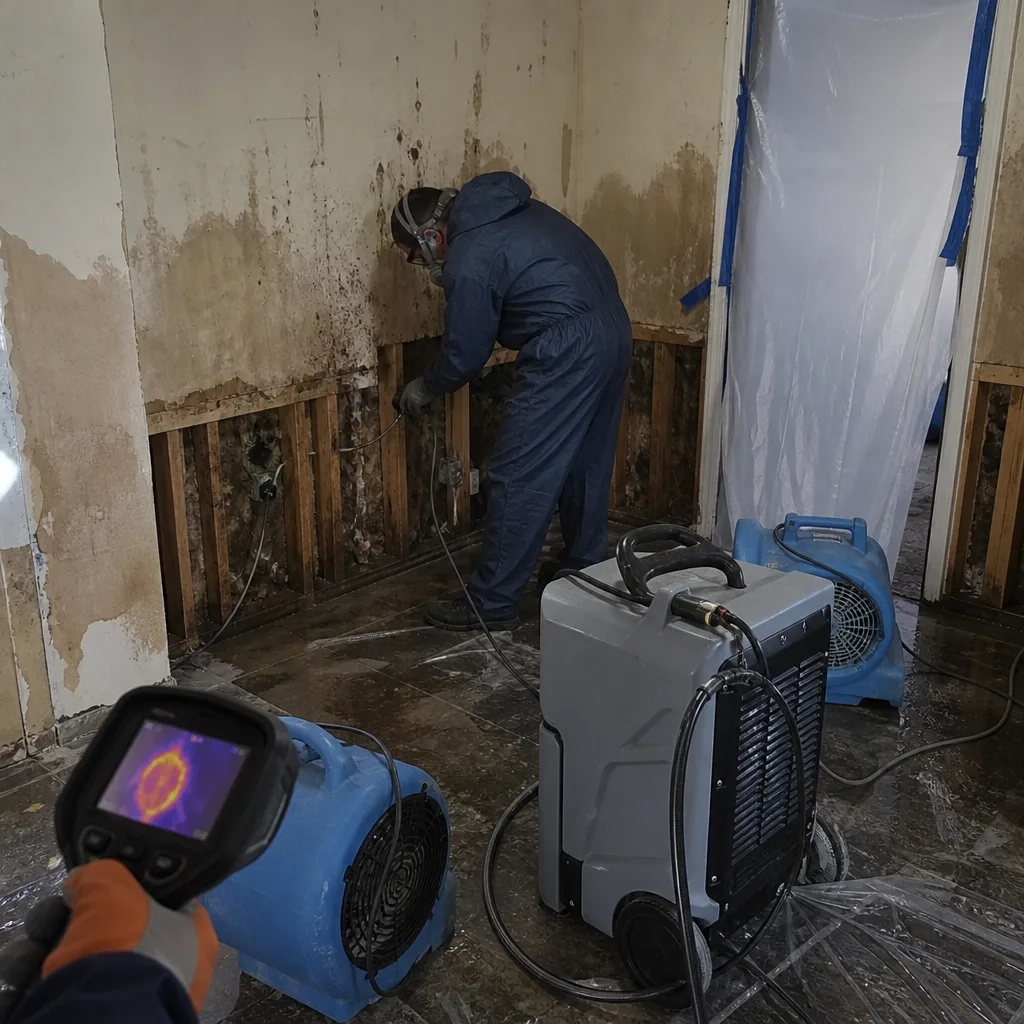 Before
 After
After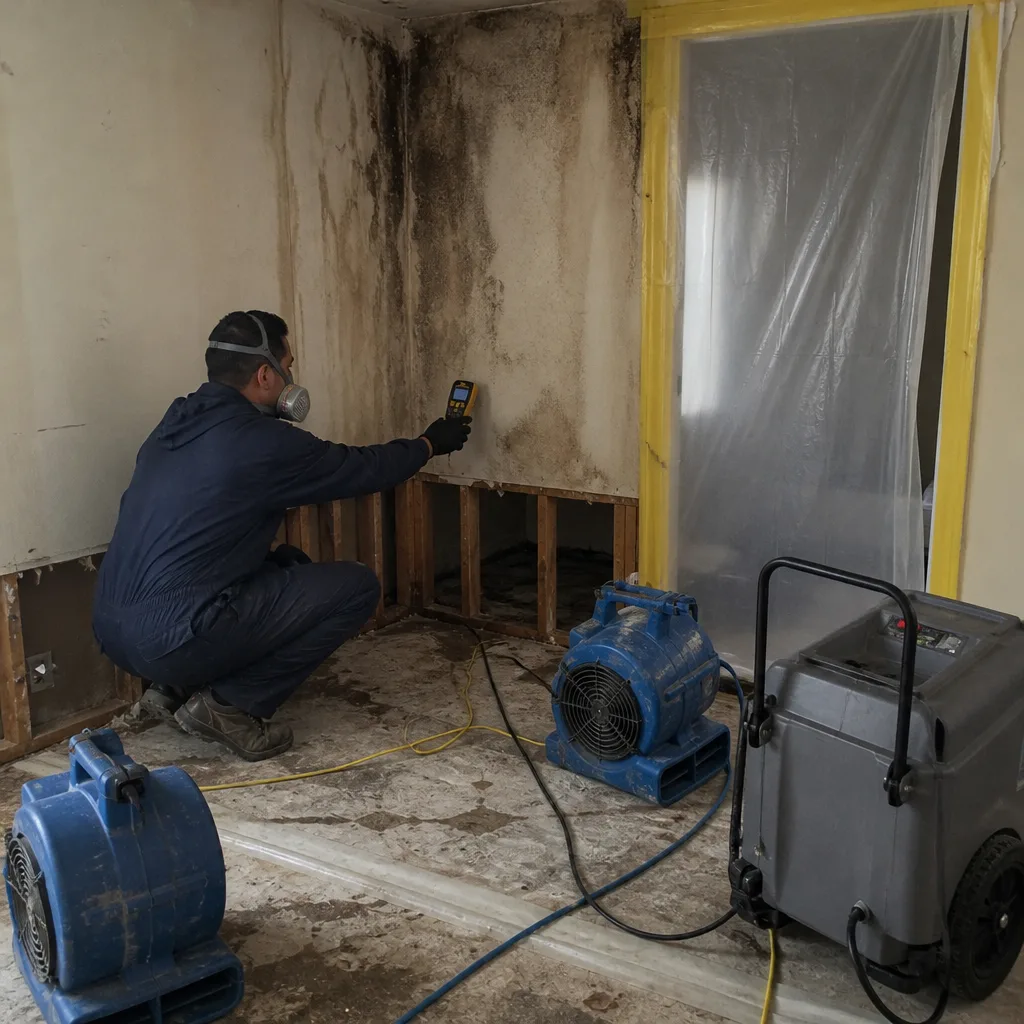 Before
 After
After