
Last updated October 16, 2026
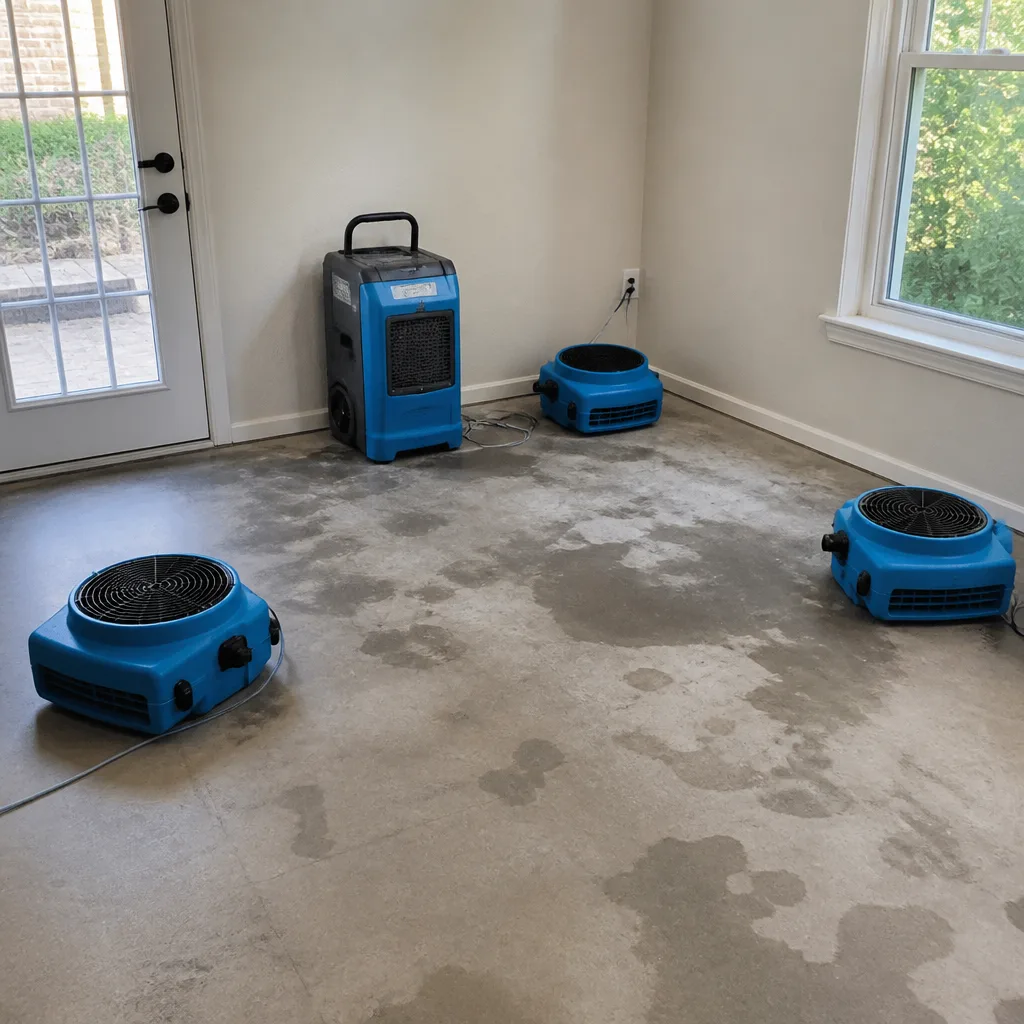 Water damage drying
 Fire & smoke cleanup
 Mold remediation
 Storm response
 Sewage cleanup
 Reconstruction
Free visual inspection and a written scope of work before any mitigation begins - photos, moisture readings, and drying logs go in your claim file
The scope we write is the scope we bill. Anything new gets shown to you, in writing, before we touch it.
Get your free estimateWater Damage Restoration Maintenance Checklist for Pasadena Homeowners
Insurance adjusters routinely deny or reduce Pasadena water damage claims not because the damage isn’t real, but because the homeowner can’t prove when a condition started. A dated maintenance log with photos is the single cheapest insurance upgrade you can buy in this city. Our Complete Guide to Damage Restoration in Pasadena walks through exactly what to check, how often, and how to document it so that if water ever does get in, you’re holding a paper trail that moves your claim faster and keeps contractors honest. Pasadena’s specific geography, from its decomposed granite foothills to its 1920s Craftsman foundations, creates failure patterns you won’t find in a generic checklist.
Restoration work we handle
Quick Answer
A water damage prevention checklist for Pasadena homeowners should include quarterly checks of appliance supply lines, water heater pressure relief valves, hillside retaining wall drainage, and crawl space moisture readings, with each check documented by a timestamped photo saved to a cloud folder. The goal is a dated pre-loss condition record that proves when a problem started and what the property looked like before it failed. Most residential water damage restoration jobs we handle in Pasadena run between $1,200 and $3,800 before drying equipment is set, so the hour a month this checklist takes is the cheapest drying job you’ll never pay for.
Table of Contents
- The Pasadena Water Profile: Know Your Home Before It Leaks
- The Six Silent Failures: Appliance Connections That Go First
- Hillside Drainage: The Foothills Problem No One Checks
- Moisture Readings: What Healthy Looks Like in a Pasadena Crawl Space
- The Documentation System: Building Your Pre-Loss Condition Record
- The Seasonal Calendar: What to Check When in Pasadena
- Common Mistakes to Avoid
- When to Call a Professional
- Frequently Asked Questions
- The Bottom Line
The Pasadena Water Profile: Know Your Home Before It Leaks
Every Pasadena home should have a two-page water profile that any family member or technician can grab in an emergency. The profile answers one question: if water is pouring somewhere at 2 a.m., what does the person standing in it need to know in the next sixty seconds?
What Goes in the Profile
- Main shutoff location. Not just “the garage.” Write the exact spot: “Right side of garage, behind the water heater, red-handled gate valve, turn clockwise.” Take a photo of the valve and print it on the page.
- Pipe material. Pasadena homes range from 1920s galvanized steel to 1990s copper to modern PEX. Galvanized corrodes from the inside and fails catastrophically; copper pinholes develop after decades of hard water; PEX is generally the most forgiving. Knowing the material tells a plumber or restoration tech what failure mode to expect.
- Water heater last service date and anode rod replacement date. A water heater that hasn’t had an anode rod replaced in seven years is a tank that’s quietly rusting from the inside.
- Appliance connection types and install dates. Rubber washer hoses installed in 2018 are already past their safe window. Braided stainless lines installed in 2022 are fine until 2028 or so.
- Insurance policy number and carrier claims line. When water is actively running, the last thing you want to do is hunt for a policy document.
Tobias Reyner, who runs Marsh Water Damage Pasadena home restoration service, tells homeowners to keep this profile taped inside a kitchen cabinet door and a digital copy in a shared phone note. “The profile isn’t for us,” he says. “It’s for the fifteen minutes before we get there.” In our experience, homes with a completed water profile get water shut off an average of four to six minutes faster than homes without one, and that window is often the difference between a wet carpet and a gutted room.
For deeper background on how restoration actually works after the water is off, see our full guide to Water Damage Restoration in Pasadena.
The Six Silent Failures: Appliance Connections That Go First
Most homeowners replace appliance supply lines when the appliance dies, which is backwards. The line fails first, and the appliance follows. Here are the six connections we see fail most often in Pasadena homes, with replacement intervals based on material type rather than the generic “every five years” advice that ignores what the line is actually made of.
- Washing machine supply hoses. Rubber hoses fail in three to five years, often with no warning. The failure is almost always a burst, not a drip, because the hose is under constant pressure and the rubber dries and cracks. Braided stainless steel lines last ten years or longer but should still be inspected annually for kinks, corrosion at the fittings, or bulging.
- Refrigerator ice maker line. The copper or plastic line running from the wall to the fridge is the most common silent leak in Pasadena kitchens. Plastic lines crack and kink; copper lines develop pinholes from constant vibration when the fridge cycles. We recommend replacing plastic lines with braided stainless and checking the connection point at the wall every six months.
- Water heater pressure relief valve. The PRV is the safety valve that releases pressure if the tank overheats. When it fails, it either drips constantly (a slow leak that rots the platform and anything stored nearby) or sticks closed (a potential explosion risk). Test it once a year by lifting the lever briefly; if water doesn’t flow or the valve doesn’t reseat, replace it immediately. This is a $30 part that prevents a $3,000 to $8,000 loss.
- Dishwasher supply line and drain hose. The supply line under the sink is usually copper or braided steel, but the drain hose is cheap ribbed plastic that cracks and separates. Check the connection at the sink drain and the dishwasher pump every year.
- Under-sink supply lines to faucets. These are often the original builder lines or whatever the previous owner installed. Turn them off and on once a year to check the shutoff valves themselves; a stuck valve means you can’t stop a leak when you need to. Replace any line showing green corrosion at the fittings.
- Water softener or filtration system connectors. Pasadena water is moderately hard, so many homes have softeners or filters. The plastic quick-connect fittings these systems use are prone to cracking after a few years of pressure cycles. Inspect them monthly.
Photograph every connection when you inspect it, and save the photo with a date stamp. That photo is evidence of a pre-loss condition that an adjuster can’t argue with.
Hillside Drainage: The Foothills Problem No One Checks
Pasadena’s foothill neighborhoods, from Linda Vista to Hastings Ranch to the streets above the Rose Bowl, sit on slopes that shed water downhill. When retaining walls, French drains, or surface drains clog or fail, that water doesn’t pool politely at the surface. It pushes against foundations and works its way through concrete block or slab edges, and by the time you see moisture inside, the soil outside has been saturated for weeks or months.
The check that almost no one does: walk your retaining walls quarterly, especially right after Pasadena’s winter rain events. Look for water staining on the wall face, soil that’s visibly darker and wetter than surrounding soil at the wall base, or plants growing unusually lush in one spot. All three indicate water is concentrating behind the wall instead of draining through it.
Check surface drains and downspout extensions at the same time. A downspout that dumps water three feet from the foundation in the flatlands is a nuisance; the same downspout on a Pasadena hillside sends a steady stream of water directly into the soil pressure zone against your foundation. Extend downspouts at least six feet from the structure, and on slopes, run them to a daylight point well downhill.
If you find a wall that’s holding water, don’t wait to see if it drains on its own. The hydrostatic pressure a saturated hillside puts on a foundation wall exceeds what any residential waterproofing was designed for. Have a restoration company that understands Pasadena’s hillside soil dynamics evaluate it. This is exactly the kind of issue that our Storm Damage Restoration in Pasadena work addresses after heavy rain events, but the pre-rain inspection is what prevents the need.
Moisture Readings: What Healthy Looks Like in a Pasadena Crawl Space
You can buy a pinless moisture meter for under $40, and it will tell you more about your home’s water risk than any other tool you own. The trick is knowing what the numbers mean in Pasadena’s specific climate, because they’re different than in, say, Houston or Seattle.
Pasadena has a Mediterranean climate: dry summers, wet winters, and relatively low ambient humidity most of the year. That means a healthy crawl space or slab edge should read under 12% moisture content on a wood moisture equivalent scale. Between 12% and 15% is a warning zone, something is adding moisture and warrants investigation. Above 15% means active water intrusion or trapped humidity, and you should call someone today.
Take your readings at the same spots every time, so you’re comparing like to like. Good spots: the sill plate where the framing meets the foundation, the bottom of any wood posts in the crawl space, and the perimeter slab edge in rooms with flooring that covers the concrete. A reading that jumps from 10% to 14% between checks is a bigger red flag than a steady 13% that never moves.
If you don’t want to crawl under the house yourself, that’s reasonable. Crawl spaces in older Pasadena homes are tight, often have exposed wiring, and can harbor pests. A restoration tech with IICRC and RIA credentials will take the readings during a free estimate visit and show you the numbers in real time.
The Documentation System: Building Your Pre-Loss Condition Record
This is the section that changes how your insurance claim goes. The documentation system costs nothing and takes about ten minutes a month, but it transforms you from “homeowner making a claim” into “policyholder with a documented pre-loss condition.”
How to Document Each Check
- Create a cloud folder. Name it something obvious like “Home Maintenance Log.” Use Google Drive, iCloud, Dropbox, whatever you already use. The point is that it’s in the cloud, not just on a phone that can get wet.
- Take the photo with your phone’s timestamp enabled. The phone embeds the date and time in the file metadata. This is the proof adjusters accept.
- Photograph the thing itself, and the surrounding area. A close-up of the water heater valve plus a wide shot showing the whole water heater, the floor around it, and the wall behind it. The wide shot proves where in the house the close-up was taken.
- Upload the photo immediately. Don’t batch them at the end of the month. Immediate upload proves the photo wasn’t edited or staged later.
- Add a one-line note if anything changed. “Washer hose replaced with braided stainless, old hose showed cracking at the fitting.” This note is gold in a claim because it shows a pattern of maintenance.
When a claim happens, you hand the adjuster a link to a folder with eighteen months of dated photos showing you inspected the supply lines, cleaned the gutters, and checked the crawl space. The adjuster’s job is to find a reason to reduce the payout. Your job is to remove every reason they could find. This folder does that.
We see the difference in our work constantly. Homes with documented maintenance histories get claims approved faster and with less negotiation. Homes without them get questions about pre-existing conditions, gradual damage exclusions, and “when exactly did this start?” A photo from March of the same wall that failed in November answers that question definitively. For a deeper look at what to expect, see our Damage Restoration Cost Breakdown: The Pasadena Homeowner’s Reference for 2026.
The Seasonal Calendar: What to Check When in Pasadena
Pasadena’s water damage risks follow a seasonal pattern. Here’s the calendar we recommend, built around the city’s actual weather cycles rather than generic seasonal advice.
October: Pre-Rain Preparation
- Clean all gutters and downspouts. Pasadena’s trees drop leaves from September through November, and a clogged gutter during the first real rain sends water over the fascia and down the wall instead of away from the foundation.
- Check all downspout extensions are attached and directing water at least six feet from the foundation.
- Test the sump pump if you have one. Fill the pit with water and confirm the pump kicks on and moves water out.
- Walk the property line and confirm surface drainage is sloping away from the house, not toward it.
December through February: Rain Season Monitoring
- Check hillside retaining walls and slopes after every significant rain event. Look for the water staining and soil saturation signs described earlier.
- Monitor crawl space moisture readings weekly during extended rain periods. A healthy 10% reading can climb to 14% within a week of a leaky downspout or a saturated slope.
- Check window wells and below-grade entry points. Pasadena’s older homes with basement stairwells or below-grade entries are prone to water pooling during heavy rain.
March and April: Post-Rain Assessment
- Re-check all the drainage systems after the rainy season ends. Things that worked in October may have silted or clogged during the winter.
- Look for efflorescence (white powder) on foundation walls or concrete. It indicates water has been moving through the masonry and leaving mineral deposits behind.
- Document any new cracks in foundation walls, especially ones that weren’t there in the fall. Hairline cracks are normal; cracks that grow between checks are not.
Year-Round Monthly
- Check the six appliance connections listed earlier.
- Look under sinks for any sign of moisture: water stains on cabinet floors, warped wood, a musty smell, or slow drips at the P-trap connections.
- Check ceilings below bathrooms and kitchens for water spots or discoloration.
- Check the water heater area for any sign of rust, puddling, or sweating.
This pattern takes about an hour a month and two to three hours in October. In return, you catch most water problems while they’re still drips instead of floods, and you build the documentation record that makes insurance claims straightforward.
Common Mistakes to Avoid
- Replacing appliance hoses on a calendar schedule without checking the material type. A braided stainless line replaced after five years is thrown away unnecessarily; a rubber line at five years is a failure waiting. Know what’s installed before you set a replacement schedule.
- Ignoring the hillside because the house itself feels dry. In Pasadena’s foothill neighborhoods, the problem starts outside the foundation, and by the time indoor moisture appears, the soil pressure has already damaged the wall or slab. Quartera hillside checks are not optional.
- Treating the main shutoff valve as a thing you’ll find when you need it. In an emergency, you have seconds, not minutes. If you haven’t physically turned the valve off and on in the last year, you don’t actually know it works. A stuck valve during a burst pipe turns a $2,000 extraction into a $20,000 renovation.
- Thinking “the insurance company will figure it out.” The insurance company’s adjuster will absolutely figure it out, and their conclusion will be the one that costs the insurance company the least. Your documentation is the only counterweight. Without it, you’re negotiating from a position of “trust me.”
- Using a moisture meter once and trusting the reading forever. Readings are only useful as a series. A single 11% reading tells you nothing. Three quarterly readings that go 11%, 11%, 14% tell you something is actively changing.
- Delaying the call when a small leak appears. In Pasadena’s dry climate, a small leak may not cause visible damage for weeks, but the moisture is wicking into drywall, flooring, and framing the entire time. By the time you see the stain, the damage behind it is worse than the stain suggests.
- Planting water-loving plants directly against the foundation. Regular irrigation next to the foundation is a steady, year-round moisture source. In Pasadena’s dry summers, the contrast between irrigated soil and bone-dry surrounding soil creates a moisture gradient that draws water toward the foundation.
When to Call a Professional
Some water problems are routine maintenance; others need a trained eye and professional equipment. Call a restoration company the same day if you see water actively entering the structure, if a moisture reading jumps more than 3% between checks, if you smell a musty odor you can’t locate, or if you see mold growth of any size. The last one is particularly important: visible mold means moisture has been present for at least several days, and the visible colony is usually smaller than what’s hidden behind the wall or under the flooring. Marsh Water Damage Pasadena offers free estimates in Pasadena – call (626) 657-5106 and a live person will answer, 24 hours a day, because water doesn’t wait for business hours and neither do the problems it causes.
Frequently Asked Questions
This is the most common denial we see. Most homeowners policies cover sudden and accidental water damage, like a burst pipe, but exclude damage from gradual leaks, poor maintenance, or neglect. A dated maintenance log with photos shows the insurer you were maintaining the home, which strengthens your case that any failure was sudden despite your efforts.
Once a month for the quick checks (appliance connections, under-sink areas, water heater), plus seasonal checks for gutters and drainage. The monthly check takes about 30 to 45 minutes. The seasonal check takes half a day in October and another half day in March or April. Quality moisture readings take about 15 minutes once a quarter.
Under 12% wood moisture equivalent is healthy for Pasadena’s dry climate. Between 12% and 15% is a warning zone that suggests something is adding moisture, and above 15% means active water intrusion or trapped humidity that needs professional assessment.
No. If your Pasadena home sits on a flat lot with no significant slope above or below it, hillside drainage doesn’t apply to you. Focus your effort on the appliance connections and crawl space checks. Flat-lot homes in Pasadena have their own failure patterns, mostly from aging supply lines and seasonal gutter issues.
A pinless moisture meter with a wood moisture equivalent scale, typically $30 to $50 at any hardware store. You don’t need a professional-grade unit with probes for a quarterly home check. The key is using the same meter in the same spots every time, so the readings are comparable across months.
Marsh Water Damage Pasadena dispatches same-day in most Pasadena neighborhoods, and a live person answers the phone 24/7, including holidays. Call (626) 657-5106 and you’ll speak to a person, not a voicemail queue. The faster water is extracted and drying equipment is running, the less demolition is needed and the lower the final cost.
The Bottom Line
A water damage prevention checklist for Pasadena homeowners is not about achieving a perfect home. It’s about creating a documented record that protects you twice: once by catching problems while they’re small, and again by proving to your insurer and any contractor that you maintained the property properly. Spend the hour a month on the checks, photograph everything to a cloud folder, know your main shutoff location by heart, and keep a two-page water profile updated. When water does find its way in, and eventually it will, you’ll be the homeowner with a paper trail that gets claims approved and repairs scoped fairly. For more on how mold issues connect to water damage, see our guide to Mold Remediation in Pasadena. And if you’re already seeing signs of water damage, start with a free estimate from Marsh Water Damage Pasadena home restoration service, where every job gets a written price before work starts and a 365-day guarantee after it’s done.
Written by Tobias Reyner, Owner at Marsh Water Damage Pasadena, serving Pasadena since 2005. Explore more guides & resources on protecting your home.
See the difference
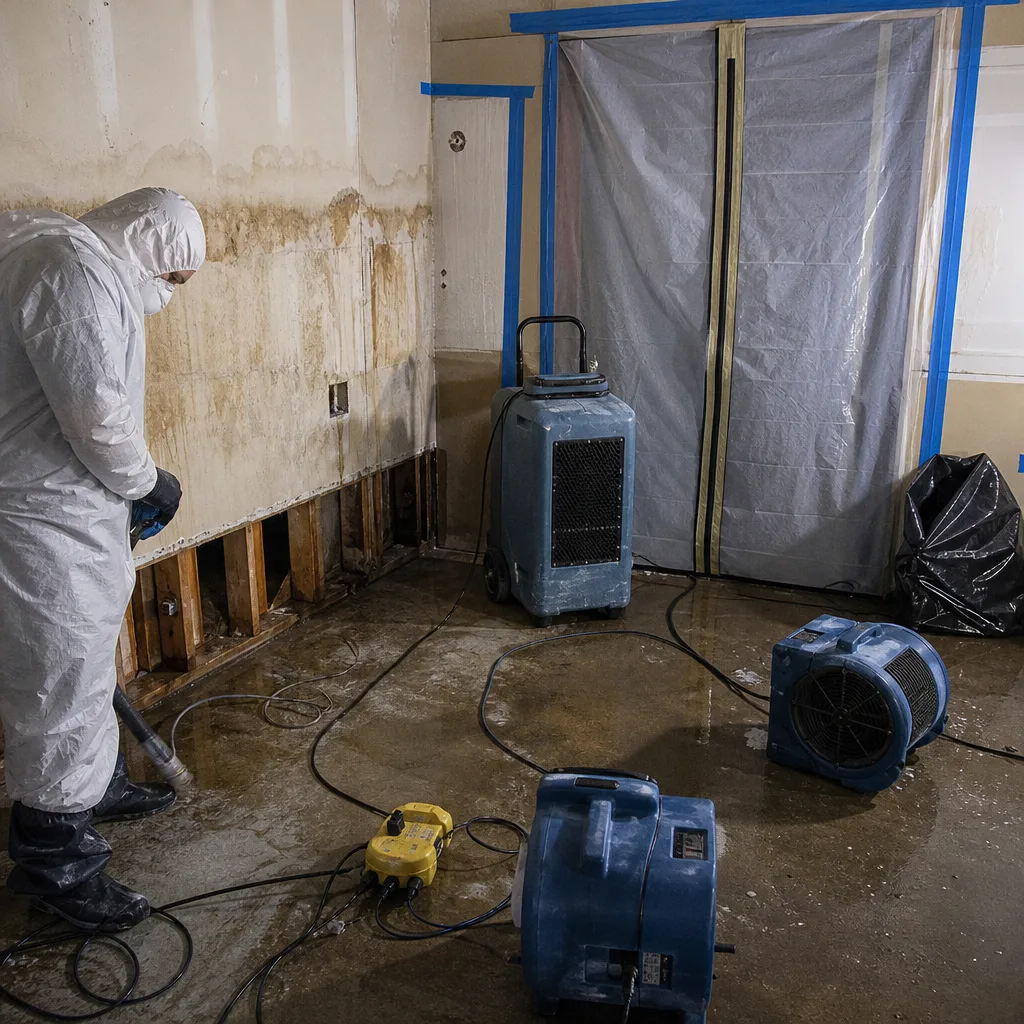 Before
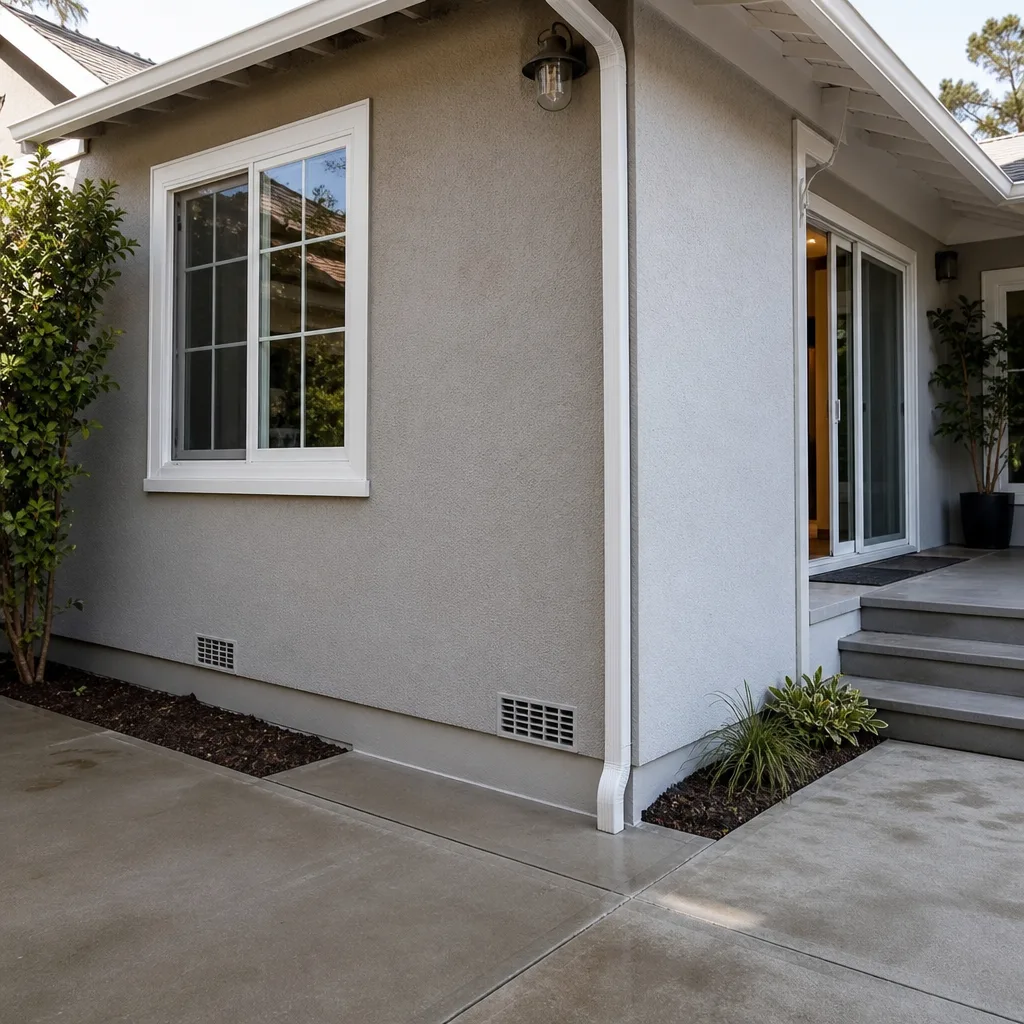 After
After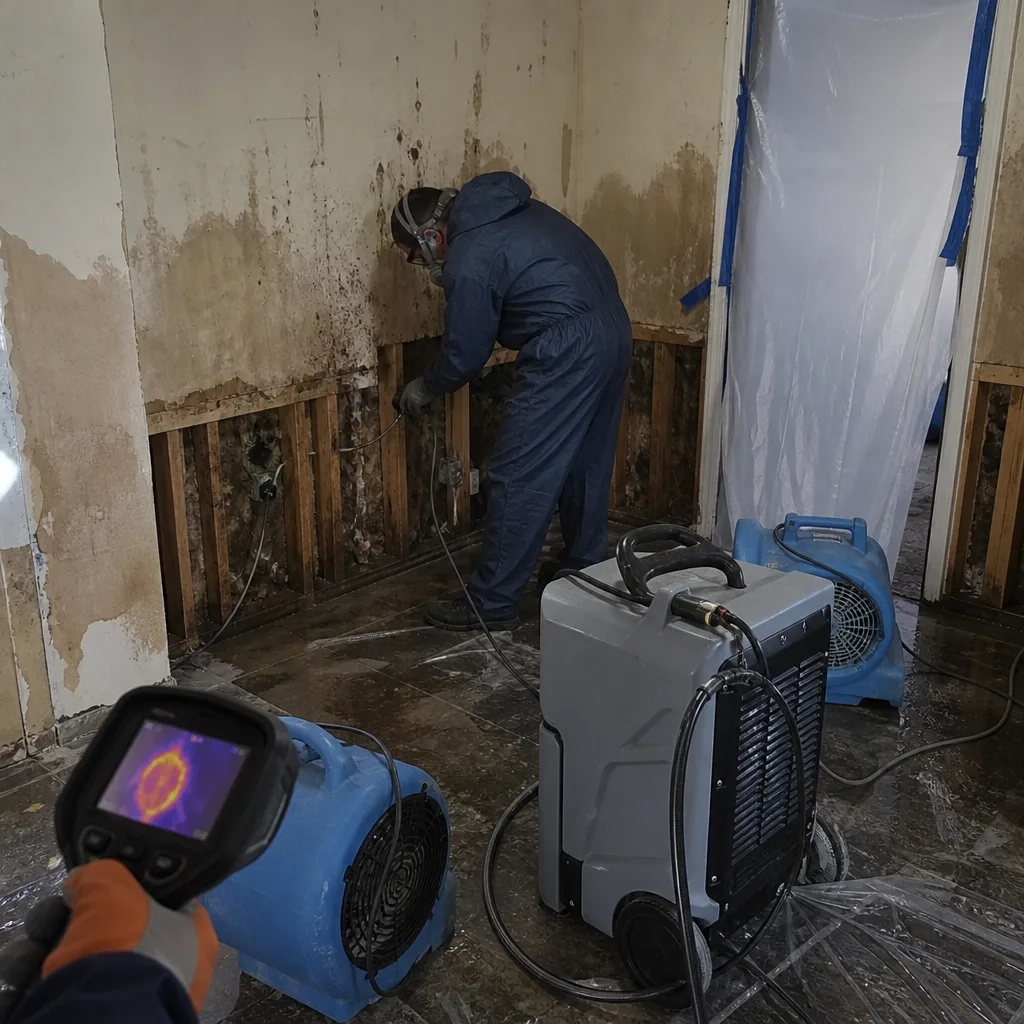 Before
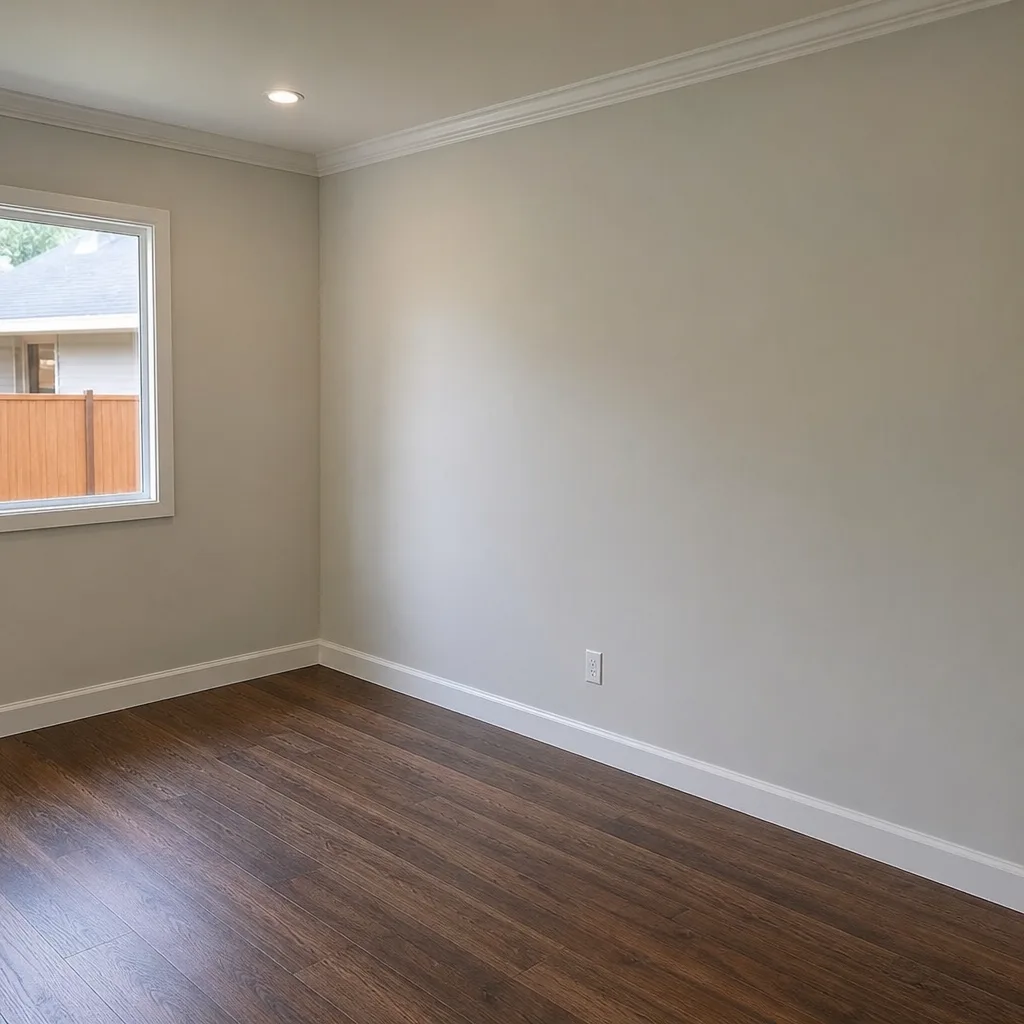 After
After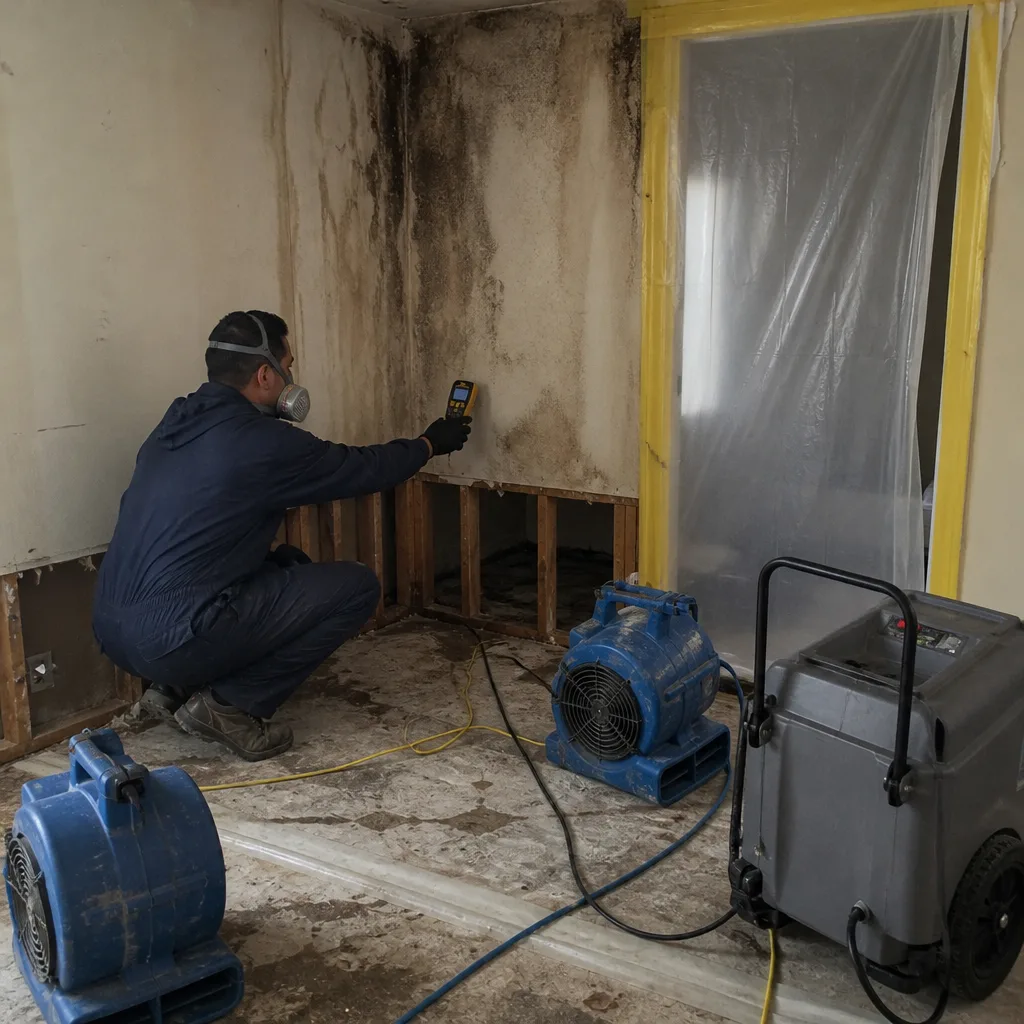 Before
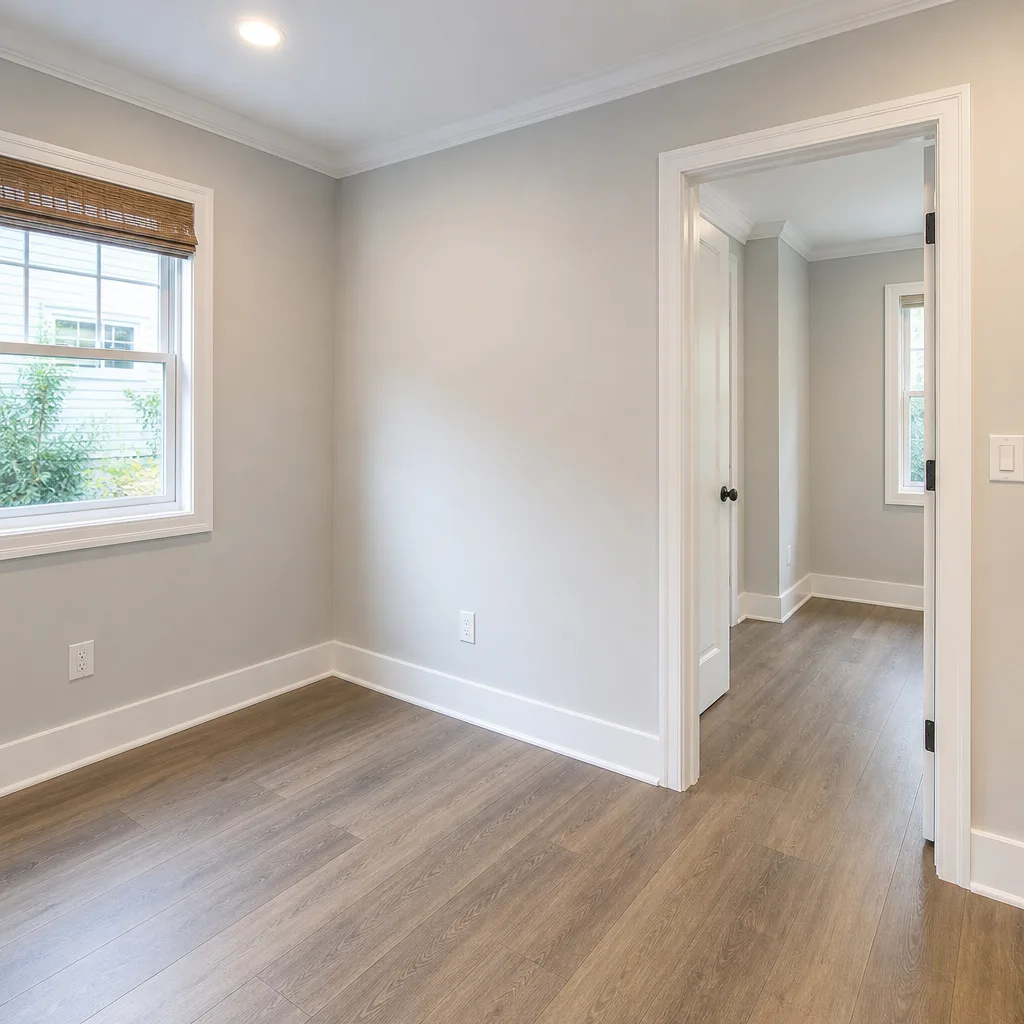 After
After