
Last updated October 16, 2026
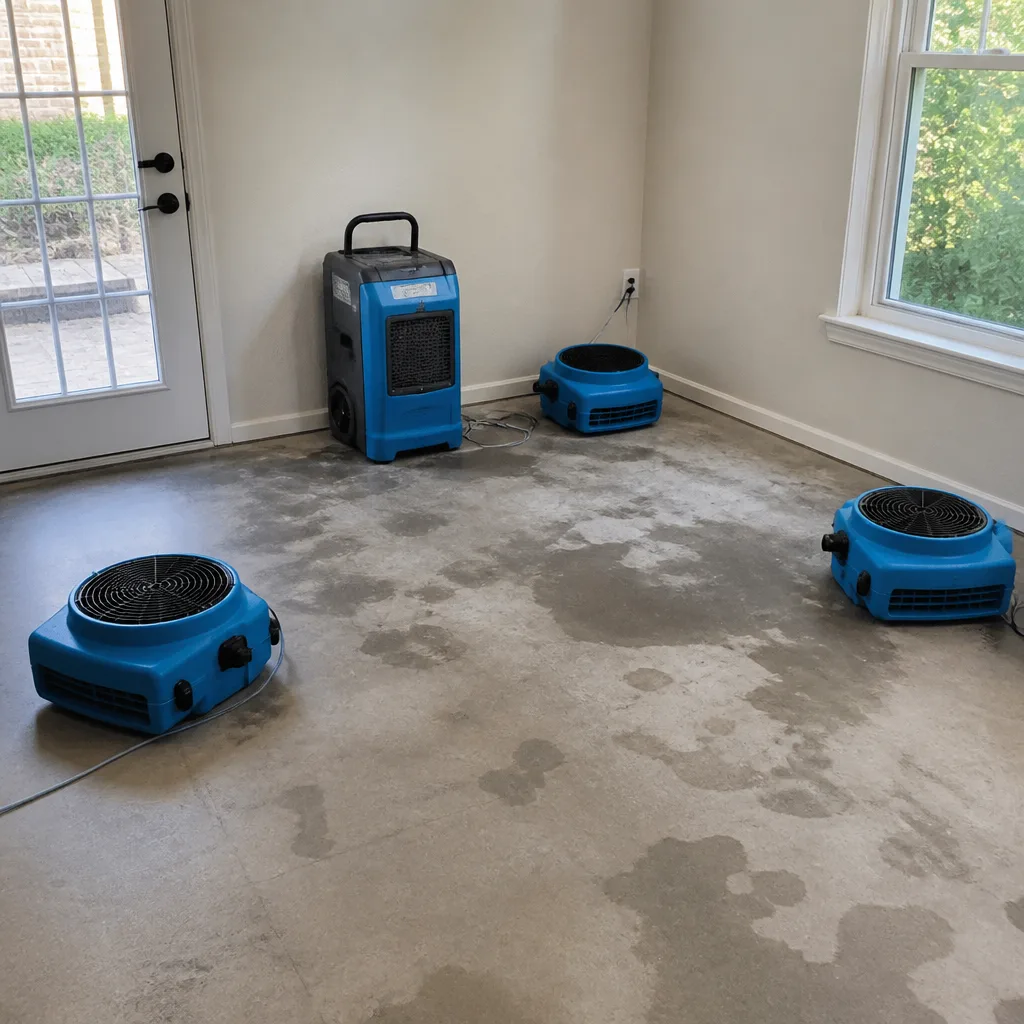 Water damage drying
 Fire & smoke cleanup
 Mold remediation
 Storm response
 Sewage cleanup
 Reconstruction
Free visual inspection and a written scope of work before any mitigation begins - photos, moisture readings, and drying logs go in your claim file
The scope we write is the scope we bill. Anything new gets shown to you, in writing, before we touch it.
Get your free estimateThe Complete Guide to Damage Restoration in Pasadena
The average water-damaged home in California sits wet for 18 hours before a qualified technician arrives. In Pasadena, that number hides something worse: clay-heavy soil pushes water upward into slab foundations, hillside lots channel runoff into garages and crawlspaces, and the dry Santa Ana season means homeowners stop thinking about moisture entirely until a pipe gives out at 2 a.m. Every hour that passes compounds three separate bills: the structural damage, the mold clock, and the insurance negotiation. This guide walks through the full restoration process in Pasadena step by step, and you can find Damage Restoration Warning Signs: A Pasadena Homeowner’s Reference Guide for early detection tips, so if you ever need it, you’ll negotiate from knowledge instead of panic.
Quick Answer
Damage restoration in Pasadena follows a four-phase sequence: extraction, structural drying, microbial remediation, and rebuild. For detailed pricing context, see our Damage Restoration Cost Breakdown: The Pasadena Homeowner’s Reference for 2026; most residential water extractions run between $1,200 and $3,800 before drying equipment is set, depending on the size of the affected area and whether sewage or mold is involved. The single most important document to request before any work begins is a moisture-mapping report with baseline readings, because that’s the only objective way to verify drying is actually finished.
Restoration work we handle
Table of Contents
- How Pasadena’s Geology Changes Water Migration
- The Four-Phase Restoration Sequence
- What Psychrometric Drying Means in Plain English
- The Moisture-Mapping Report: The One Document That Protects You
- Insurance, Adjusters, and Assignment of Benefits: What to Know Before You Sign
- Common Mistakes to Avoid
- When to Call a Professional
- Frequently Asked Questions
How Pasadena’s Geology Changes Water Migration
If you’ve only read generic restoration guides, you’ve missed the single biggest factor in how water behaves inside a Pasadena home. The city sits on a mix of alluvial fan deposits from the San Gabriel Mountains. In plain English: the soil under many neighborhoods, especially north of the 210 and in hillside communities like Linda Vista and the San Rafael Hills, is heavy with clay and decomposed granite. Clay does not drain. It holds water against foundation walls and wicks moisture upward.
That changes everything about a water loss. In a flat-lot home in, say, the Central Valley, a slab leak or a supply-line break tends to move water along the floor surface before soaking into drywall from the bottom up. In Pasadena hillside homes, we regularly see water migrate in three directions at once: down through the flooring, up through capillary action into walls, and outward toward foundation stem walls where the clay soil is already holding seasonal moisture. The result is that moisture readings taken days later often show water in places the homeowner never saw standing water at all.
Here’s what that means for you practically:
- Slab leaks in clay soil spread faster. Water trapped between the slab and saturated clay finds the path of least resistance, which is often along the slab edge and up into baseboards and drywall rather than out to the surface.
- Hillside crawlspaces stay wet longer. The same slope that gives you a view sends surface runoff toward your foundation during winter rains. After a storm, crawlspace moisture can linger for weeks.
- Raised foundations hide water migration. In neighborhoods like Bungalow Heaven or the Arroyo Seco area, older raised-foundation homes let water travel laterally through the subfloor, quietly soaking joists and sill plates before any visible sign appears on hardwood or carpet.
- Over-drying is a real risk. Pasadena’s dry summers mean ambient humidity can drop below 30%. A technician who doesn’t calculate that will crack hardwood, split cabinetry, and pop drywall seams by drying too aggressively.
This is why the Water Damage Restoration in Pasadena process cannot be a one-size-fits-all protocol. It has to account for the soil, the slope, the foundation type, and the season.
The Four-Phase Restoration Sequence
The damage restoration process in Pasadena follows a standard sequence, but the details of each phase determine whether you end up with a dry, safe home or a months-long insurance fight, and Damage Restoration Permits, Codes & Inspections in CA: What You Need to Know covers the regulatory side. Here’s what each phase involves, what completion looks like in writing, and what the final bill should actually reflect.
Phase 1: Extraction
Extraction is the removal of standing water. It happens first because every minute of standing water increases the depth of saturation in porous materials. A professional crew uses truck-mounted or portable extraction units, often rated at several hundred gallons per minute, to pull water from flooring, carpet pad, and the surface of affected rooms. In a typical Pasadena bathroom overflow or laundry-room supply-line break, full extraction takes 45 minutes to two hours.
What completion of this phase looks like in writing: an extraction log showing the volume of water removed, the rooms involved, and the initial moisture readings before any drying equipment goes in. If a contractor skips this documentation, you have no baseline for the rest of the job.
Phase 2: Structural Drying
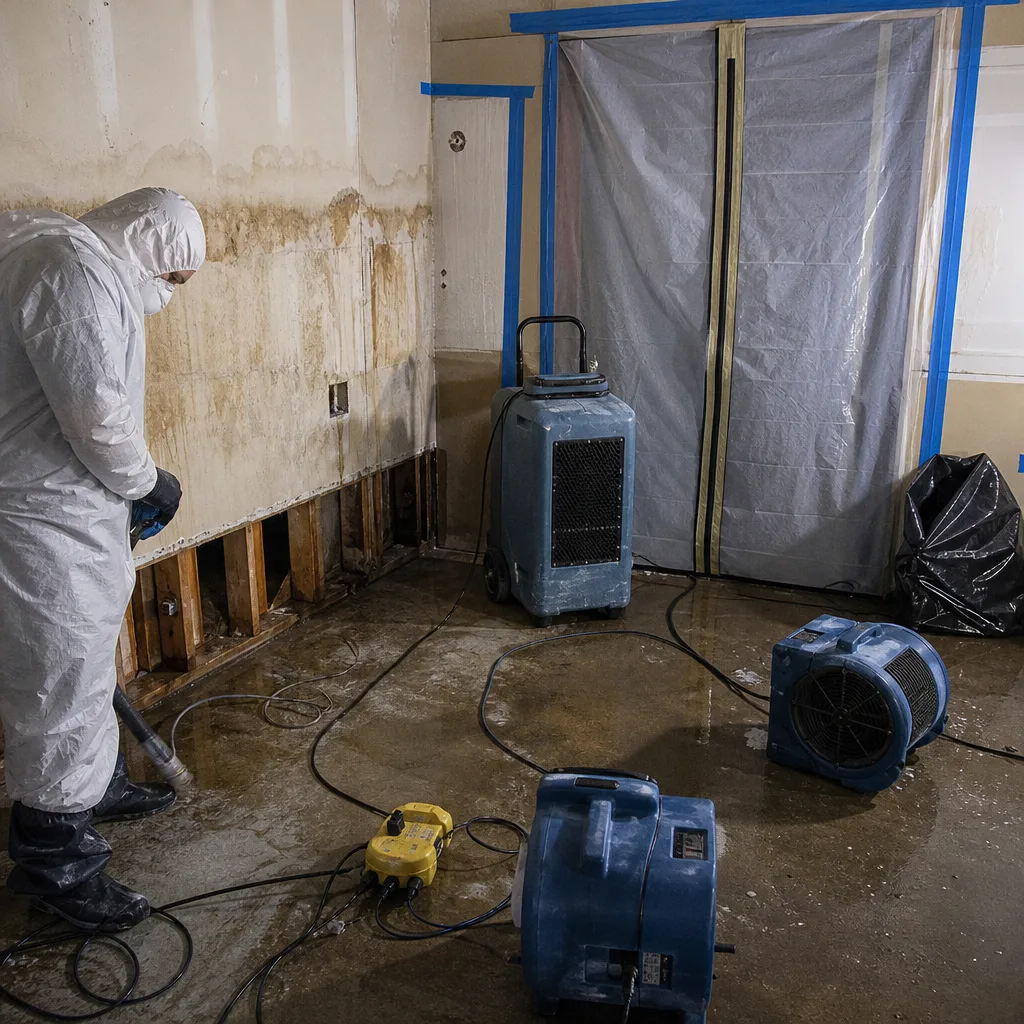
After extraction, the structure itself is still wet: drywall, studs, subfloor, sill plates, and insulation. Structural drying means placing air movers, dehumidifiers, and sometimes injectidry systems, which push dry air into wall cavities, then monitoring moisture levels with meters until materials return to an acceptable dryness standard. This is where Storm Damage Restoration in Pasadena jobs often run longer than homeowners expect, especially after winter atmospheric rivers, because hillside homes dry unevenly.
A professional drying project runs three to seven days for a typical room-scale water loss. The equipment we use, from manufacturers like Dri-Eaz, Phoenix, and XPOWER, is the same gear deployed on large commercial losses. The difference in a home is the technician’s judgment: how many air movers, where to place them, and when to pull them out.
Completion looks like: daily moisture logs showing a downward trend, followed by a final psychrometric reading (more on that below) that confirms the structure is genuinely dry, not just dry on the surface.
Phase 3: Microbial Remediation
Microbial remediation means dealing with mold, bacteria, and the conditions that allow them to grow. Mold spores germinate in as little as 24 to 48 hours on wet organic material like drywall paper, wood studs, or carpet backing. In Pasadena’s warm climate, that window is often shorter in summer.
This phase involves more than spraying a chemical. A proper remediation includes containment (sealing the affected area so spores don’t spread), removal of unsalvageable porous materials, cleaning of salvageable surfaces, HEPA filtration, and drying to below the threshold where mold can regrow. What completion looks like: a post-remediation verification, often including third-party air sampling, plus photo documentation of every step for your insurance file. See our Mold Remediation in Pasadena page for the full protocol.
Phase 4: Rebuild
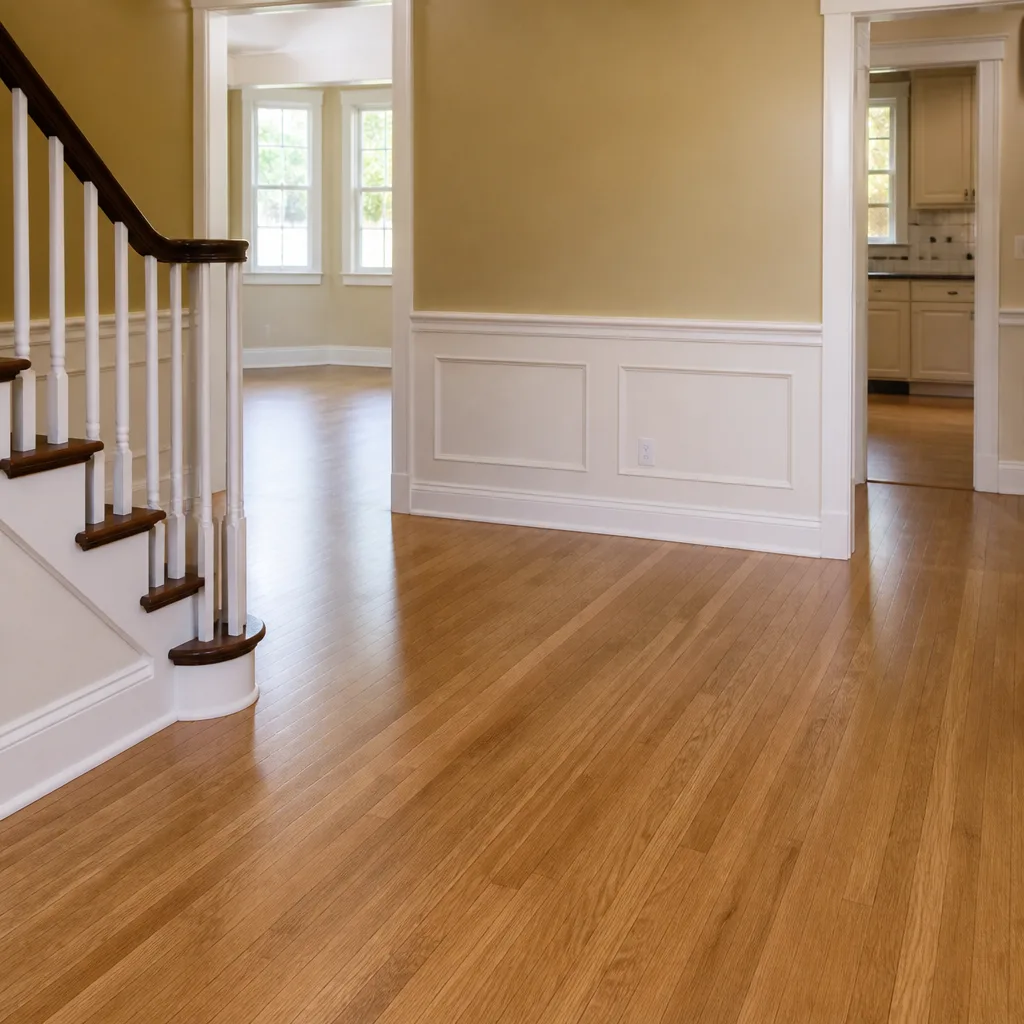
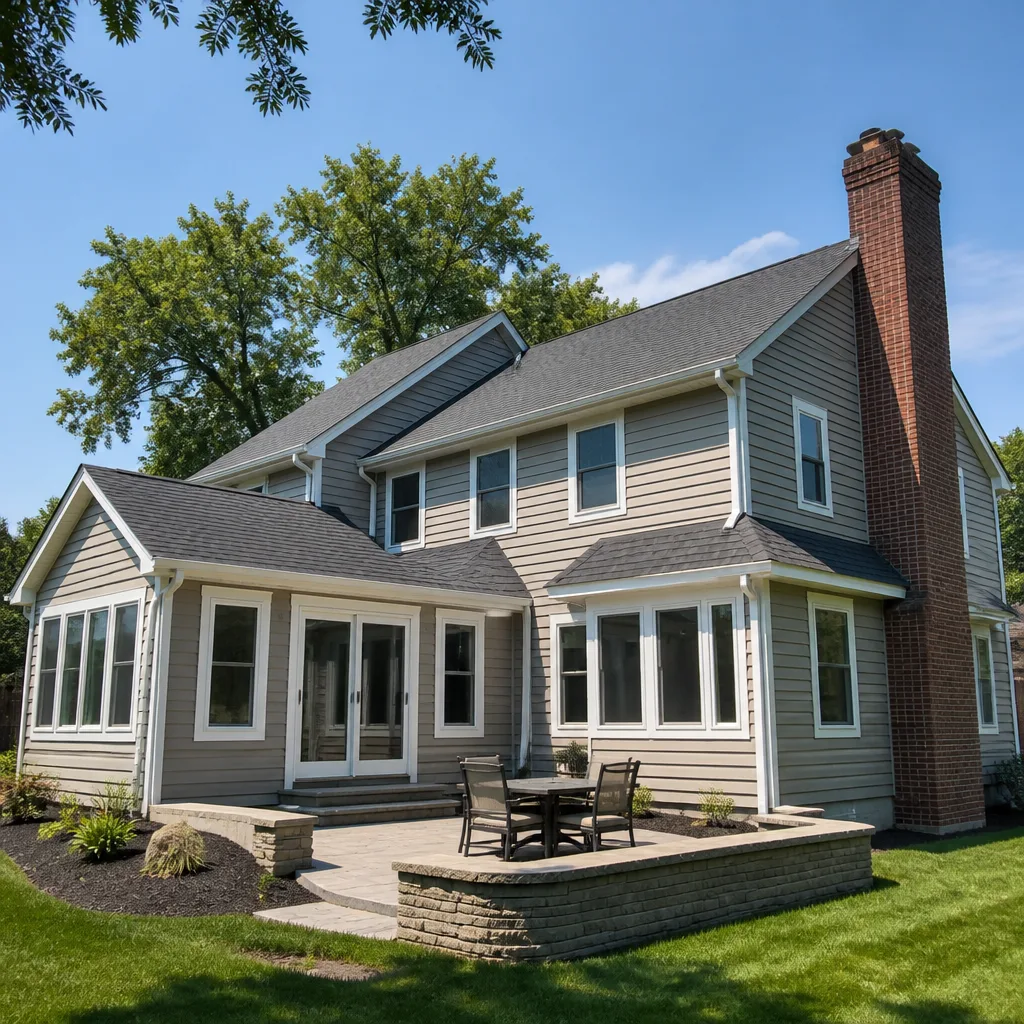
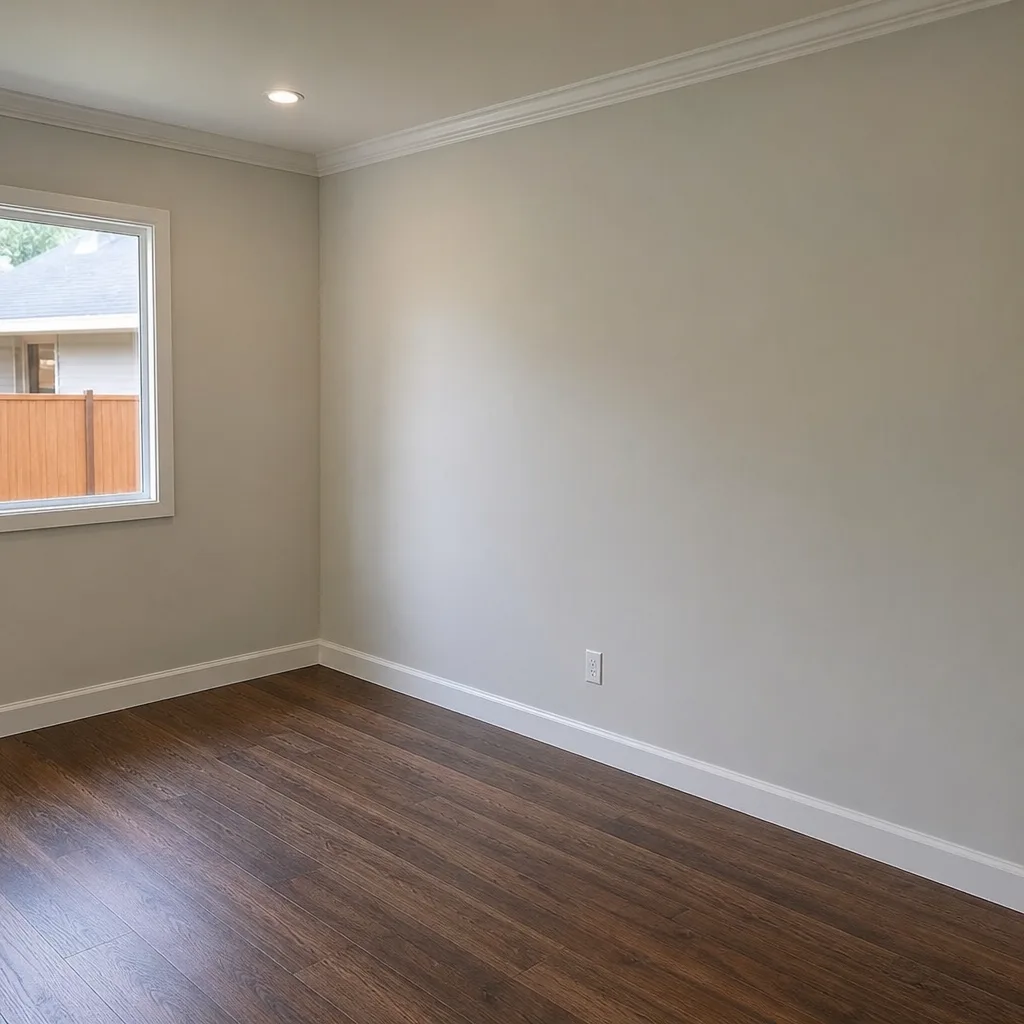
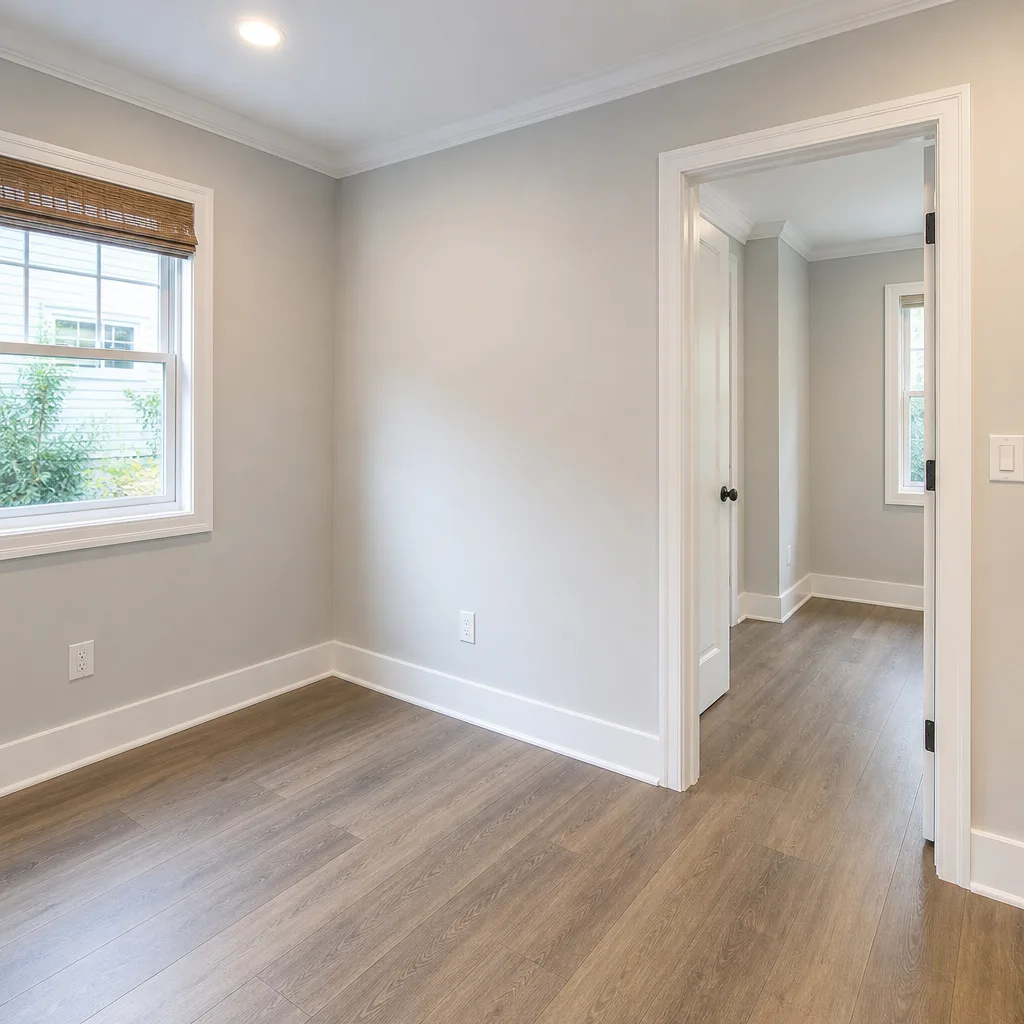
Rebuild is everything after the structure is dry and clean: drywall replacement, painting, flooring, cabinetry, trim. In Pasadena, rebuild also means matching materials to the character of your home, which in a 1920s craftsman bungalow or a mid-century Arroyo Seco house is not a trivial thing. A good restoration contractor will itemize the rebuild scope separately from the drying scope so your insurance adjuster can see exactly what’s mitigation and what’s reconstruction, because the two are often paid from different coverage buckets.
Completion looks like: a written final scope, photo documentation, a walkthrough, and a written workmanship guarantee. At Marsh Water Damage Pasadena home, every repair carries a printed 365-Day Done Right Promise: if the repair is not right within a full year, we make it right. That includes a free second visit, automatically, never something you have to argue for.
What Psychrometric Drying Means in Plain English
Psychrometric drying is not complicated. It means using the math of temperature and humidity to remove moisture from building materials at the right speed. The word psychrometry comes from the same root as psychrometer, an instrument that measures dry-bulb and wet-bulb temperature to compute relative humidity. In the field, a technician takes psychrometric readings (measuring the moisture in the air) alongside material moisture readings to calculate the drying potential of the air being blown across a wet surface.
Why does this matter to a Pasadena homeowner? Two reasons.
First, speed. Warm, dry air pulls moisture out of wet materials faster than cool, damp air. In a Pasadena summer, a well-placed dehumidifier and air mover setup can dry a room in three days. In a damp winter week, the same setup might take six. A technician who understands psychrometrics is constantly adjusting the number of dehumidifiers and air movers based on daily readings.
Second, safety. Dry too fast and you crack oak flooring, split cabinet doors, and cause drywall seams to pop. Dry too slow and mold gets a foothold. The goal is to remove moisture at the rate the material can release it without damage. This is why we do not just aim a fan at a wall and walk away. The numbers tell us when to add equipment, when to reposition it, and when the job is actually done.
If your contractor cannot explain psychrometric drying in one sentence, they are likely not doing it.
The Moisture-Mapping Report: The One Document That Protects You
Before any restoration contractor starts pulling baseboards or cutting drywall in Pasadena, request one thing: a moisture-mapping report with baseline readings. This is a room-by-room diagram or floor plan overlaid with the moisture content of walls, floors, and ceilings at the start of the job.
Here’s the sequence of what should happen:
- Initial assessment. The technician takes readings across the affected area and adjacent rooms, including walls that appear dry. Water often wicks into drywall and travels far from the visible source.
- Mapping. The readings are plotted on a diagram, typically with dry areas marked under a threshold (for drywall, generally below 10-12% moisture content) and wet areas marked above it.
- Drying goals established. The restoration company states in writing what the target moisture content is for each material: hardwood, drywall, concrete, subfloor.
- Daily monitoring. Readings are repeated daily and logged. The drying plan is adjusted based on the trend.
- Final verification. When materials hit the established targets and psychrometric readings confirm the environment is stable, drying is declared complete, in writing.
Many disputes between homeowners and restoration companies in Pasadena come down to one question: is the structure actually dry, or did the contractor just decide the equipment rental revenue was no longer worth it? The moisture-mapping report answers that question objectively. No report, no way to verify.
Insurance, Adjusters, and Assignment of Benefits: What to Know Before You Sign
The first contractor on site after a water loss is not automatically the right one. In a Pasadena emergency, you might have three companies knocking within hours. Here’s what that conversation should look like, and what it should not.
The assignment-of-benefits trap. An assignment of benefits, or AOB, is a legal document that transfers your insurance claim rights to the contractor. In some states, AOB abuse has become a significant problem: contractors take control of the claim, inflate the scope, and leave the homeowner out of the loop. In California, AOBs are less common than in Florida, but some out-of-state franchises and high-pressure sales crews still try to get homeowners to sign them at the door. You do not need to sign an AOB to get emergency water extraction. A legitimate contractor will bill you directly, or work with your insurer through a standard work authorization, and you retain control of your claim. If anyone pressures you to sign something before explaining the price, that is not a contractor you want inside your home.
Photo documentation. Your contractor should photograph everything: the source of the leak, the extent of saturation, the moisture readings, the areas being cut open. Your adjuster may never set foot in your home, especially in a major storm surge of claims. The photos are your evidence.
Direct adjuster coordination. A real restoration company will speak to your adjuster directly, walk them through the scope, and justify each line item. This is normal and appropriate. What is not appropriate is a contractor who tells you to stay out of it. It is your claim. You have the final say on every dollar.
Mitigation vs. reconstruction. Most homeowners’ policies differentiate between water mitigation (removing water, drying the structure) and reconstruction (rebuilding what was removed). These may be paid from different buckets, and in some Pasadena policies, the mitigation bucket has a separate cap. Your contractor should be able to explain the difference in two minutes and produce a written scope with the two phases separate. If they cannot, call someone else.
Common Mistakes to Avoid
- Waiting to call. Every hour of standing water increases the saturation depth and shrinks the window before mold germination. In Pasadena’s warm months, mold can start in under 48 hours. Call first. Sort out the insurance later.
- Using a shop vac and calling it extraction. A shop vac removes surface water. It does nothing for the water trapped in drywall, under tile, or in subfloor. Professional extraction uses commercial equipment and is the difference between a three-day dry-out and a six-week rebuild.
- Allowing wall cavities to stay sealed. Water behind baseboards and inside wall cavities will not dry on its own. The cavity has to be opened or dried with injectidry systems that push air into the enclosed space. Sealing it up wet is how you get hidden mold.
- Signing an assignment of benefits without understanding it. This one signature can remove you from your own claim. Read every document, ask what it means, and do not sign anything under pressure.
- Skipping the moisture-mapping baseline. Without starting numbers, you cannot prove the structure is dry at the end. Insist on the baseline report before demo starts.
- Choosing a contractor on price alone. The cheapest quote in Pasadena is often the one that dries too fast, skips containment, or disappears before the rebuild. Ask for written documentation, not just a number.
- Rebuilding before the structure is genuinely dry. Installing new drywall over a damp frame seals the moisture in. In six months, you will have paint bubbling, musty smells, and a much bigger bill. Make sure you see the final moisture readings, in writing, before rebuild begins.
When to Call a Professional
Call a professional for any water event that involves more than a small spill you can mop up in ten minutes. You have a professional-level problem if water has reached walls or baseboards, if it came from a sewage or supply line, if it ran for more than a few minutes, if the affected area is larger than a bath mat, or if you see any discoloration, buckling, or musty odor. You also have a professional-level problem if the water event happened at night, because the hours between discovery and morning are exactly the hours that matter most in Pasadena’s clay-heavy soil and warm climate.
Marsh Water Damage Pasadena offers free estimates across Pasadena and the surrounding communities. A live person answers every call, 24 hours a day, every day. Call (626) 657-5106 and you’ll get a real conversation, not a voicemail box.
Frequently Asked Questions
Most residential water extractions in Pasadena run between $1,200 and $3,800, with structural drying adding $1,000 to $2,500 depending on the affected area and the number of days equipment is needed. Mold remediation typically adds $1,500 to $6,000 depending on the extent of the microbial contamination and whether containment is required. Rebuild costs vary widely based on materials and the character of your home, from a few hundred dollars for baseboard and paint to $10,000 or more for full kitchen or bath reconstruction. Every Marsh Water Damage Pasadena job receives a written price before any work begins. Call (626) 657-5106 for an exact quote, estimates are free.
A live person answers every call at Marsh Water Damage Pasadena, 24/7, including weekends and holidays. In most of Pasadena, we can have a technician on site within 60 to 90 minutes of your call. That response time matters because, in the San Gabriel Valley’s warm months, mold can begin germinating within 24 to 48 hours of water exposure. The quicker water is extracted and drying equipment is running, the less demolition and mold remediation you will ultimately pay for.
Most Pasadena homeowners’ policies cover sudden and accidental water damage, like a burst supply line or an appliance failure, under the dwelling coverage. Gradual leaks, long-term seepage, and some flood events are excluded unless you carry separate flood insurance. The best way to know is to have a restoration contractor document the source, the scope, and the moisture readings, then coordinate directly with your adjuster. Photo documentation and a written scope are your strongest tools in the claim.
That depends on the extent of the mold and the materials affected. If the affected area is larger than about ten square feet, if the mold has penetrated porous materials like drywall or insulation, or if there is an ongoing moisture source, you need remediation, not a surface cleaning. A proper remediation removes contaminated porous materials, contains the area, and cleans salvageable surfaces to prevent spore spread. If the only mold is light surface growth on non-porous materials, a cleaning with antimicrobial products may be sufficient. Honest contractors will tell you the difference, in writing.
A reputable restoration company coordinates directly with your adjuster, provides photo documentation and a written scope, and explains the technical basis for every line item. This is normal practice in the industry and it helps your claim move faster. But you retain final authority. You are the policyholder. If a contractor tells you to sign over your rights or to stay out of the conversation, that is a warning sign.
The only objective way is a moisture-mapping report with baseline and final readings. The technician measures moisture content in affected materials at the start of the job, establishes drying targets in writing, logs daily readings, and confirms at the end that materials have reached those targets. Psychrometric readings (measuring the moisture in the air) confirm the environment is stable. Without these numbers, “dry” is just an opinion. Insist on the written report.
The Bottom Line
Damage restoration in Pasadena is not a mystery, but it is a process with specific, verifiable steps. Water moves differently here, through clay soil and hillside foundations, and that changes how the drying has to be done. The four phases, extraction, structural drying, microbial remediation, and rebuild, each have a completion standard you should see in writing. Request a moisture-mapping report before demo. Read every document before you sign, especially anything labeled assignment of benefits. And choose a contractor who writes the price down, answers the phone, and produces documentation, not promises. For more guides & resources, visit our blog; in a city where water hides in the soil and storms roll down from the San Gabriels, the homeowner who knows the sequence is the one who comes out whole.
Written by Tobias Reyner, Owner at Marsh Water Damage Pasadena, serving Pasadena since 2005.
See the difference
 Before
 After
After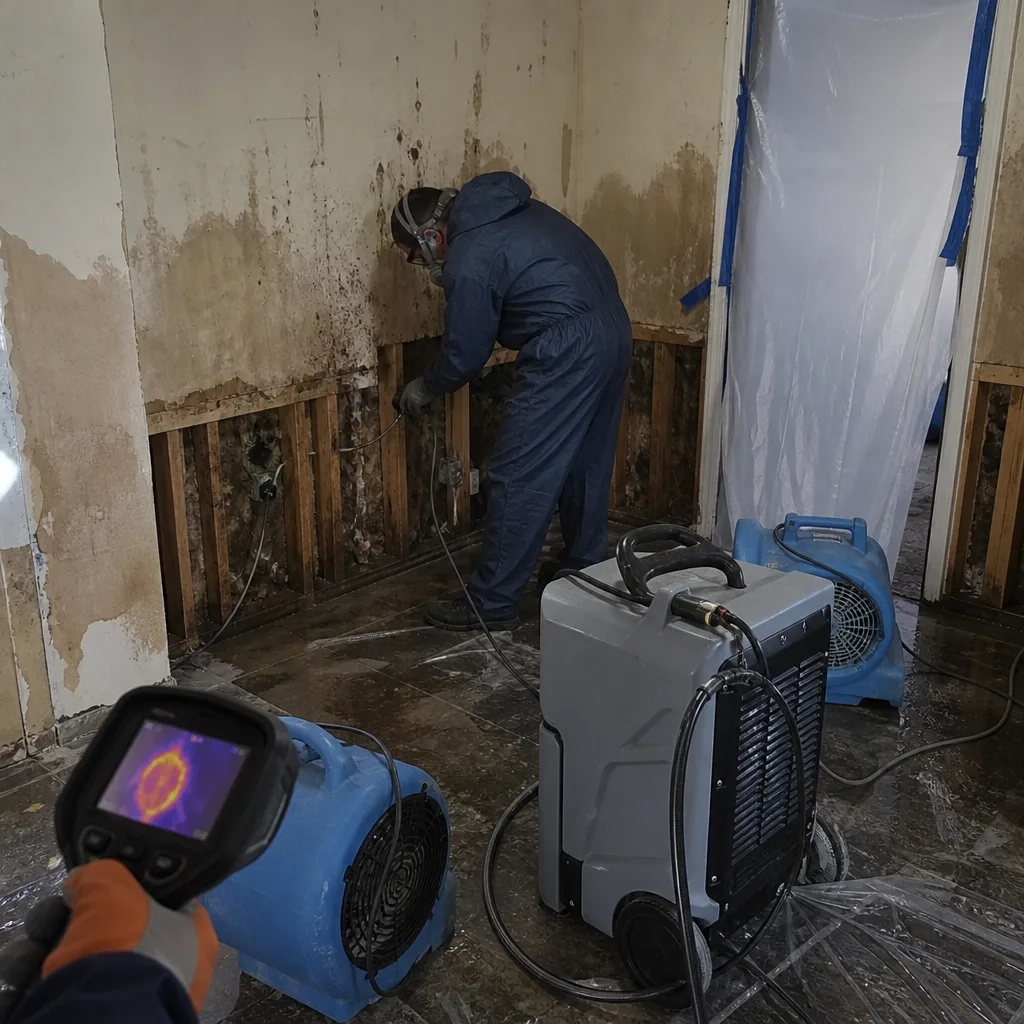 Before
 After
After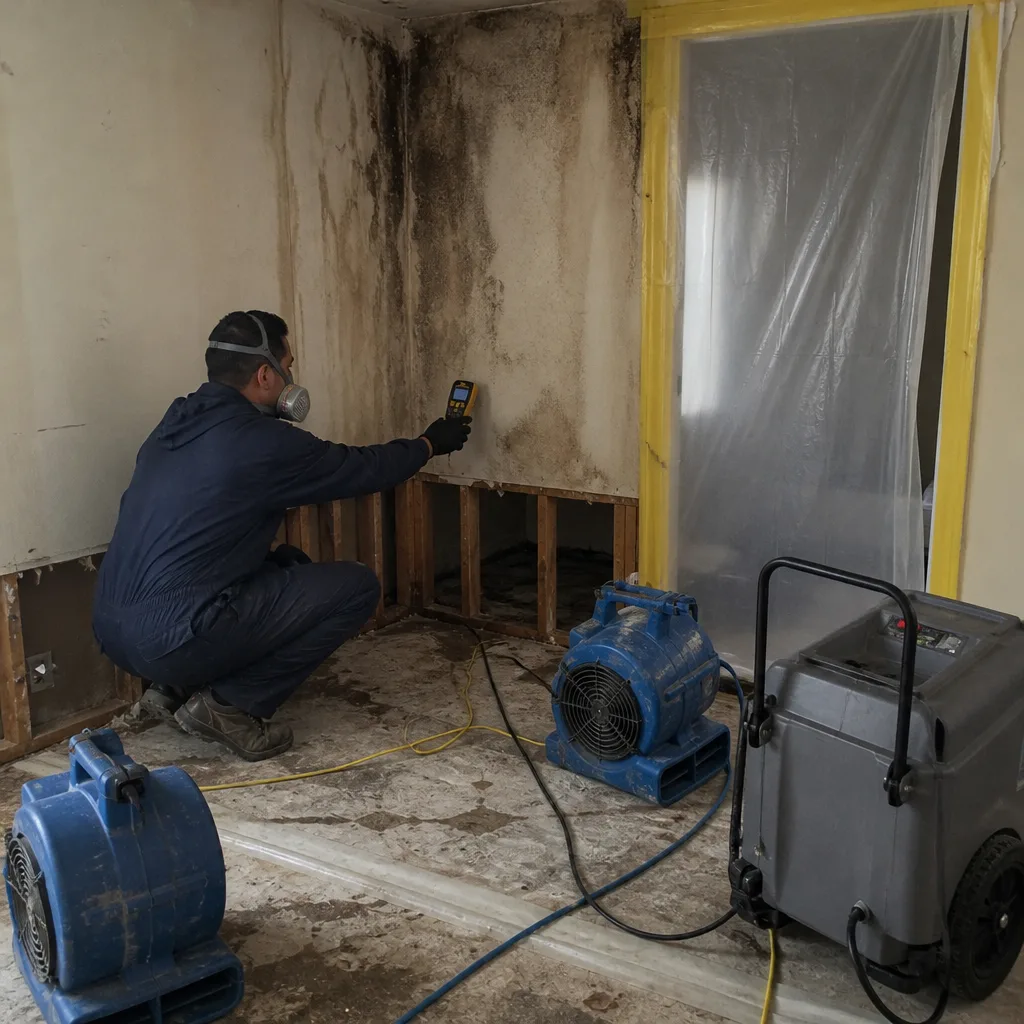 Before
 After
After