
 Water damage drying
 Fire & smoke cleanup
 Mold remediation
 Storm response
 Sewage cleanup
 Reconstruction
Free visual inspection and a written scope of work before any mitigation begins - photos, moisture readings, and drying logs go in your claim file
The scope we write is the scope we bill. Anything new gets shown to you, in writing, before we touch it.
Get your free estimateFast, Reliable Storm Damage Restoration Across Monrovia
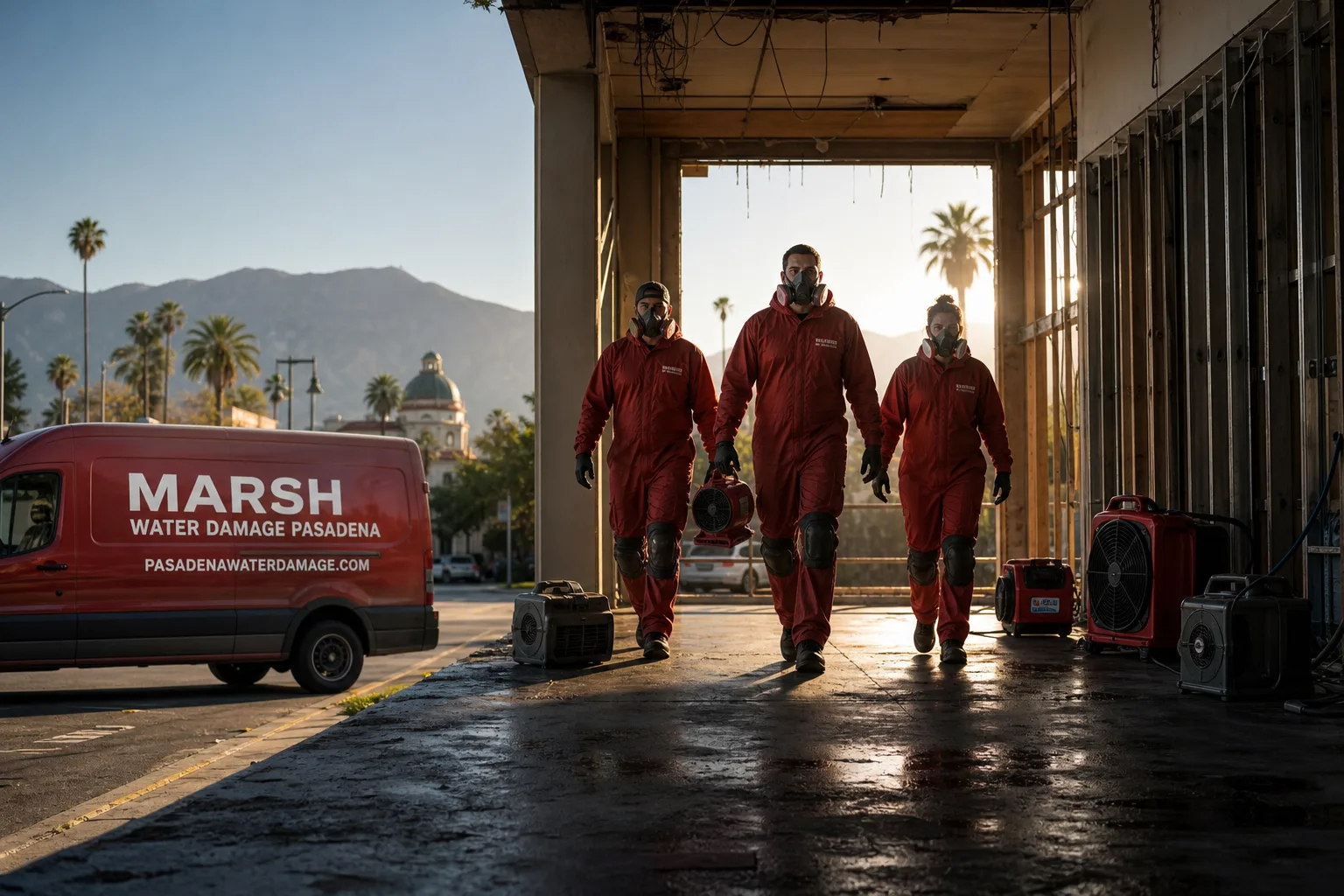
Storm damage in Monrovia rarely looks like what homeowners expect. You might picture a tree through a roof, but around here the real trouble is quieter: fine ash packed into attic insulation after a wildfire, or water wicking through 1920s plaster walls after a winter storm. Marsh Water Damage Pasadena responds to Monrovia homes 24 hours a day, with crews who understand this city’s foothill exposure, aging housing stock, and the tight parking realities of the historic district. Call (626) 657-5106 and a live person answers, day or night. We dispatch a Threshold Verified technician to your door, by name and photo, before they ever ring the bell.
Most Monrovia storm damage jobs fall into two categories: flood water from a failed roof, burst pipe, or mudflow, and wildfire ash that found its way into ductwork and attics even when flames never touched the property. Our Storm Damage Restoration team handles both. We start with a written scope and price, not a vague estimate that balloons once demo begins.
Why Marsh Water Damage Pasadena Is Monrovia’s Preferred Storm Damage Restoration Company
Since 2005, Marsh has operated as the restoration brand of the Threshold Group family, with every job backed by a 365-Day Done Right Promise printed on the work order. In Monrovia, that promise means something specific: if a repair does not hold up through the next Santa Ana season or the next winter storm, a second visit is free. We do not make homeowners argue for it.
Our Storm Damage Restoration in Monrovia work regularly takes us from the Craftsman homes off Myrtle Avenue to the mid-century ranchers near Monrovia High School and the newer tracts along Norumbega Drive. We know the streets where alley-load access means bringing compact drying equipment, and we know the neighborhoods where parking a box truck requires a permit or a short haul. That local experience changes how fast a job gets done.
Every technician arrives in uniform with a photo ID badge, after you have already received their name and photo by text or email. That is the Threshold Verified standard. For homeowners who are home alone, parents with young kids, or older residents, that single protocol matters more than any slogan. You know exactly who is walking through your door before the knock happens.
Restoration work we handle
Flood Restoration in Monrovia
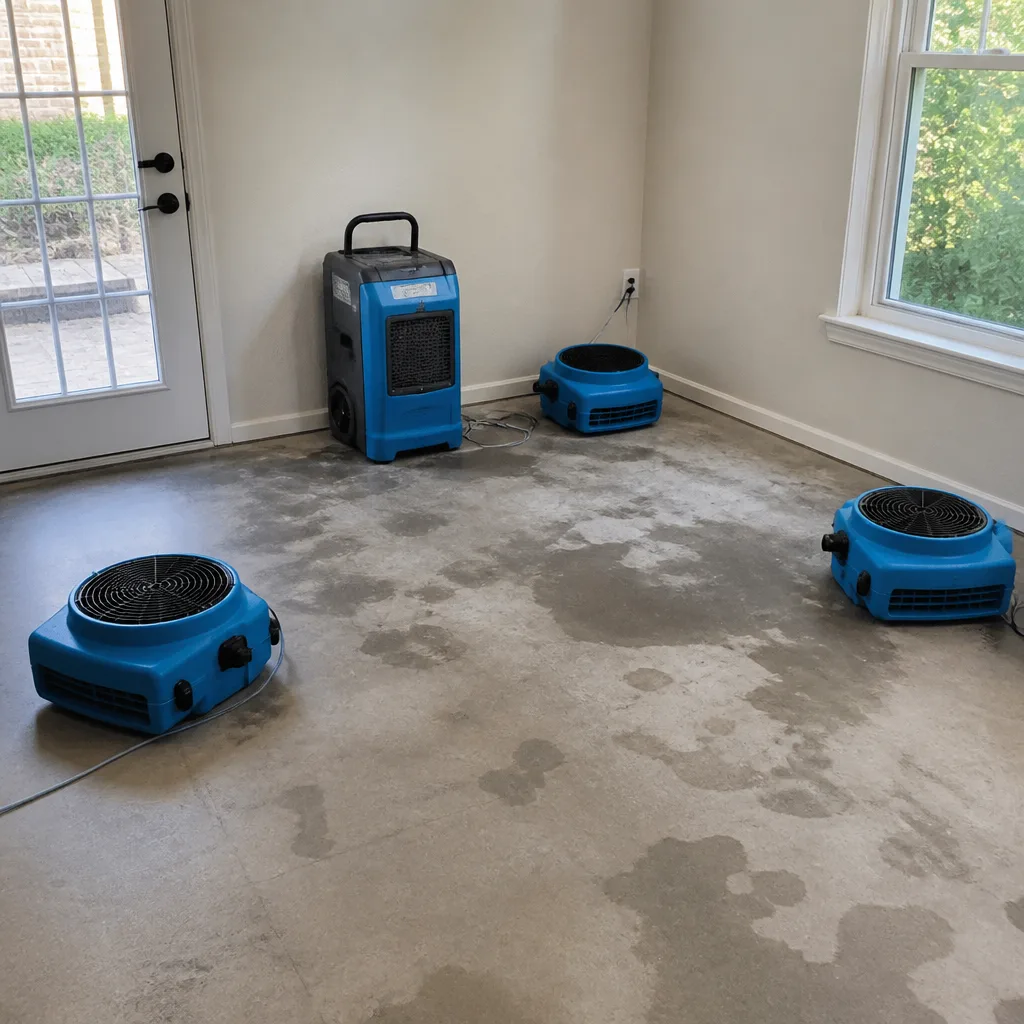
Flood Restoration in Monrovia typically means removing standing water, drying the structure to a measurable standard, and repairing the materials that water destroyed. In this city, winter storms can push water down from the San Gabriel foothills fast, and older homes with outdated plumbing or original roofs take the brunt. A typical residential flood extraction in Monrovia runs $2,800 to $5,400, including water removal, containment, drying equipment, and moisture monitoring. If finish materials like drywall or flooring need replacement, that work is quoted separately and in writing before anything is touched.
Structural drying for old plaster and hardwood
Monrovia’s early 1900s homes have plaster walls and original hardwood floors that respond to water differently than modern drywall and laminate. Plaster can hold moisture for weeks while looking dry on the surface. That is why our techs use moisture mapping, not guesswork, to trace water migration through walls and under floors. Psychrometric readings (measurements of humidity in the air) tell us when the structure is genuinely dry, not just dry to the touch.
Mudflow and hillside runoff
After heavy rain on burn scars, Monrovia foothill streets like Ridgeside Drive and Lotone Street can channel mud and debris downhill. Floodwater in those situations is not just water; it carries silt, ash, and contaminants. Extraction requires careful removal of sediment before drying begins, otherwise the mud bakes into flooring and becomes far harder to remove.
Basement Flood Cleanup in Monrovia
Basement Flood Cleanup in Monrovia is a different job than whole-house flood work, mostly because of access. Many older Monrovia homes have basements with narrow stairways, low ceilings, and limited ventilation. A standard basement water extraction and drying job in Monrovia runs $1,900 to $4,200. That includes pump-out or extraction, removal of saturated materials, containment, and placement of air movers and dehumidifiers. If sewage or mudflow water is present, the range shifts higher because impacted materials must be cut out and removed under containment, not just dried in place.
Tight access, handled properly
Crews working in Monrovia’s historic district regularly deal with alley-load homes where a full-size restoration truck cannot park near the door. We run hoses and place compact drying equipment that fits through narrow basement stairwells. The equipment brands we use, including B-Air and XPOWER, include low-profile air movers that work well in confined spaces where bigger gear would block the only path in and out.
Mold starts faster than you think
In a Monrovia basement, mold growth can begin within 24 to 48 hours of standing water, especially during warm months. That is why speed on extraction matters. We do not promise same-day service as a marketing line; we run dispatch through a live-answer phone system so a real person coordinates crews to Monrovia immediately. A written scope, with photo documentation for your insurer, follows before any cutting or removal begins.
Trusted Brands We Service in Monrovia
Most of the equipment installed in Monrovia homes comes from a handful of manufacturers, and we service the full range. Phoenix dehumidifiers are common in larger basements and whole-house systems. B-Air and XPOWER air movers show up constantly in smaller jobs and tight spaces. Injectidry systems appear in homes where water got behind walls or under flooring and needs pressure-driven drying instead of just airflow. We keep routing maintenance parts in our local stock so Monrovia customers are not waiting on a warehouse halfway across the country when a drying job needs to start that afternoon.
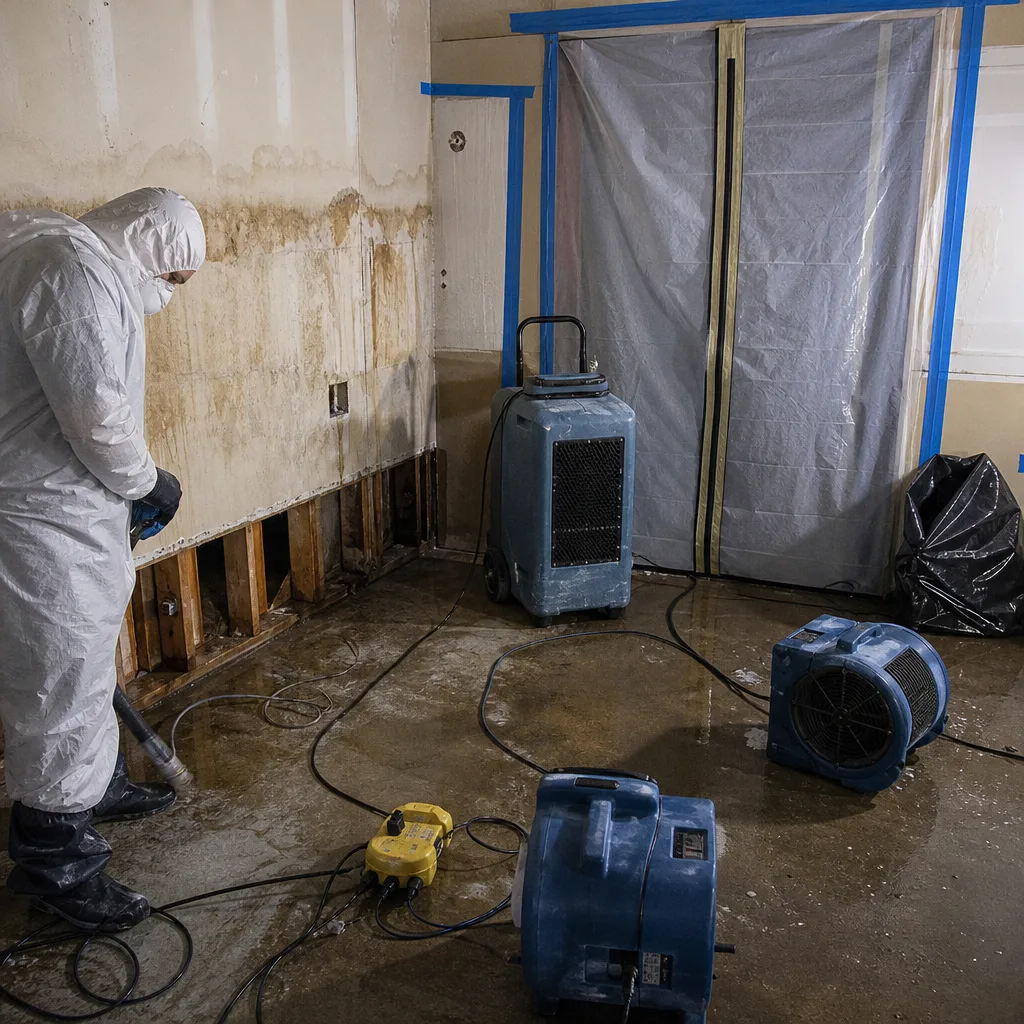
See the difference
 Before
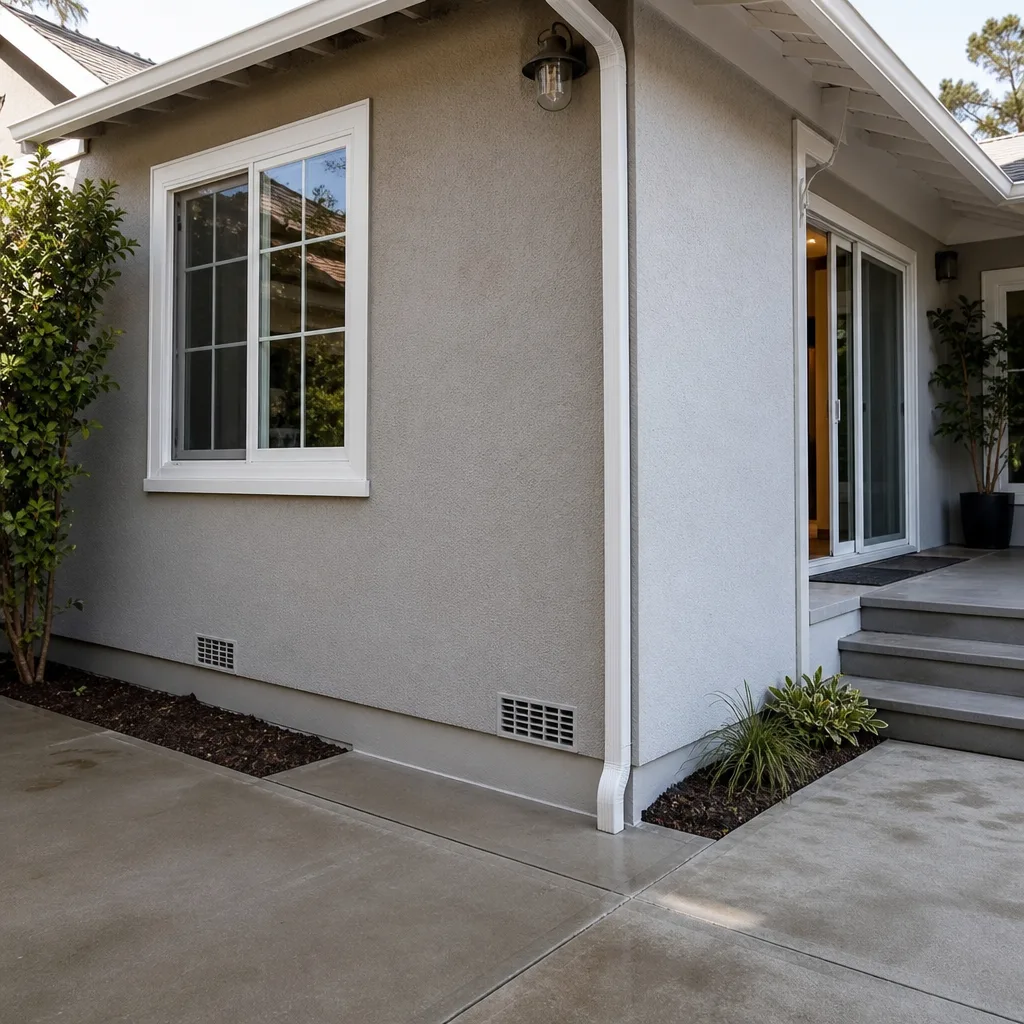 After
After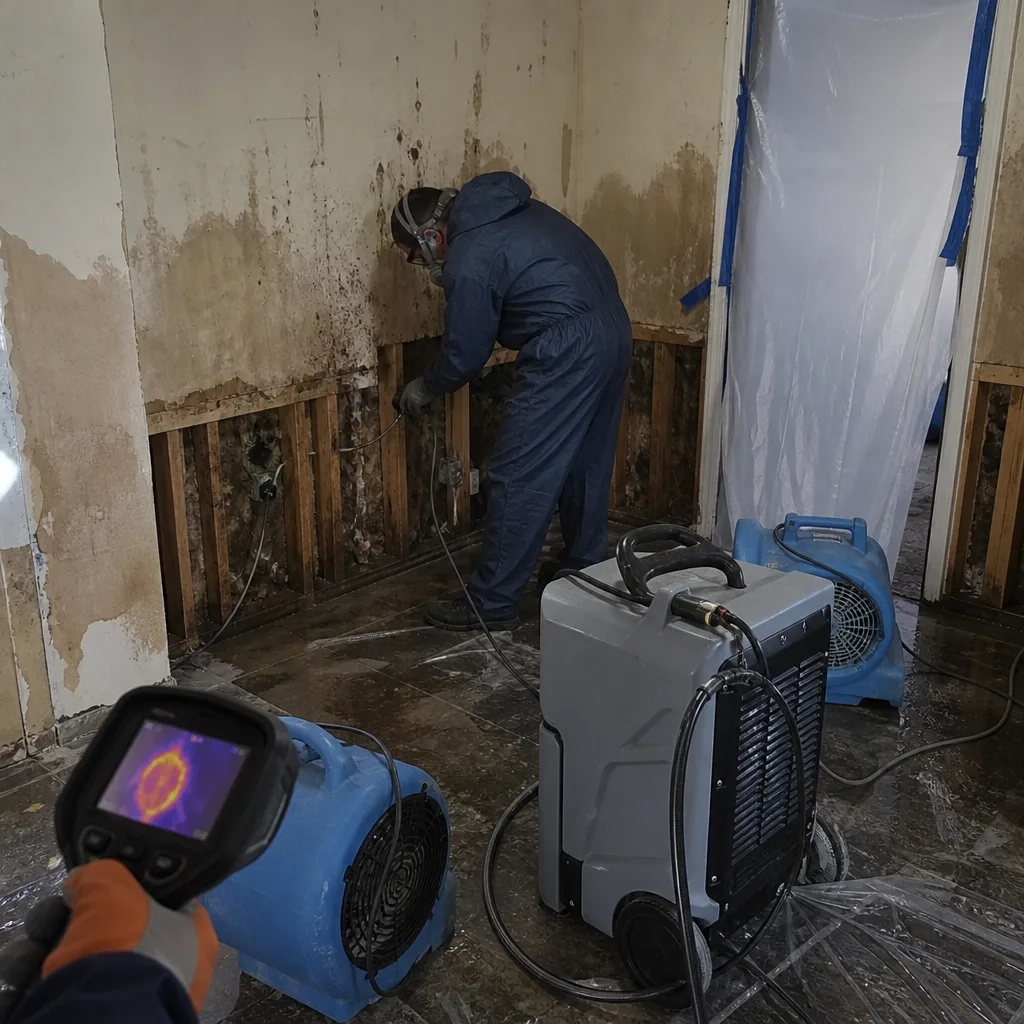 Before
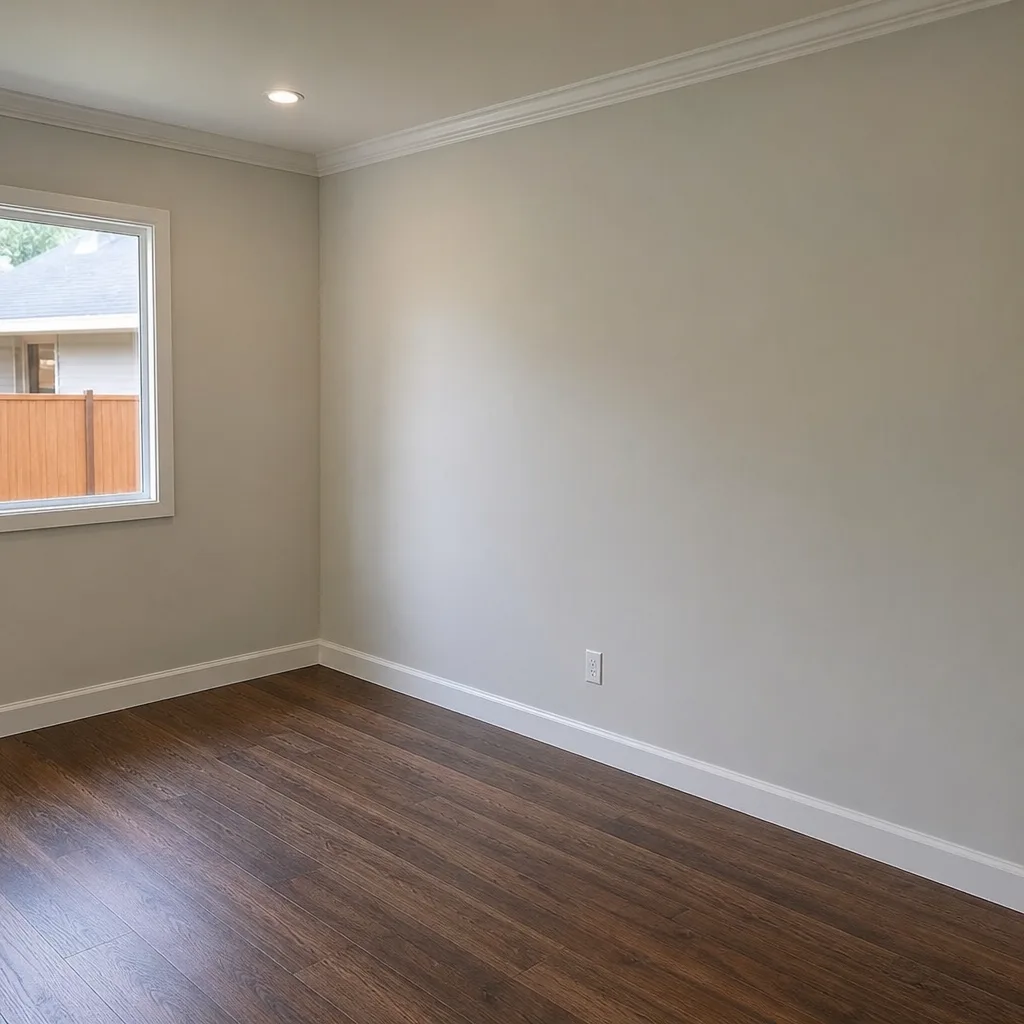 After
After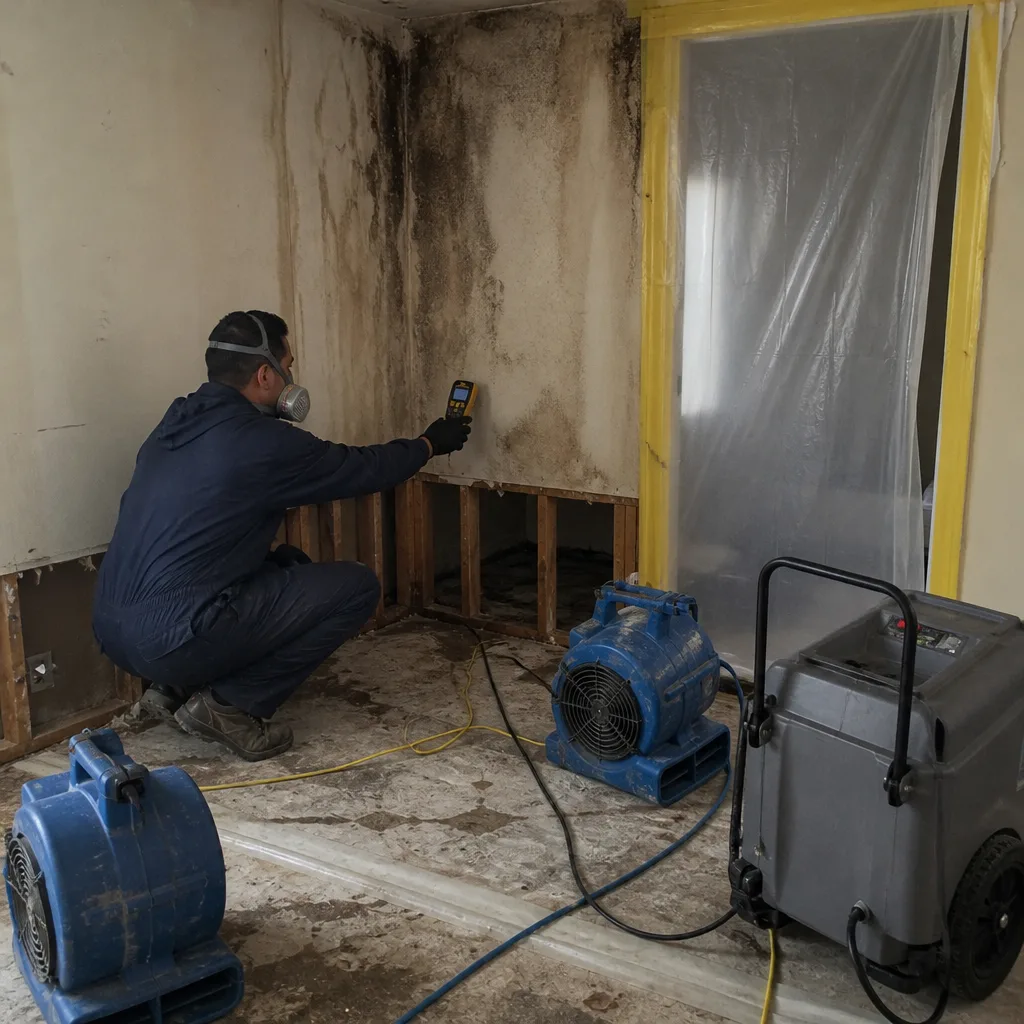 Before
 After
AfterCommon Storm Damage Restoration Problems We See in Monrovia Homes
- Ash in attic insulation and ductwork after wildfires. Monrovia sits hard against the urban-wildland interface. Fine ash gets pulled into homes through roof vents even when windows stayed shut, and the smell lingers until the attic insulation is replaced and the ducts are properly cleaned and fogged.
- Plaster walls hiding water migration. In the Craftsman and Spanish-style homes of the historic district, water from a roof leak can travel several feet before it becomes visible. Without moisture mapping, techs dry the stain but leave the real water column behind the plaster.
- Alley-load access slowing emergency response. Many Monrovia homes built before 1940 are serviced by alleys, not driveways. A crew that arrives without a plan for where to park or how to run hoses loses an hour before extraction even starts, and mold gets that hour to grow.
- Original hardwood floors cupping after a flood. Monrovia’s older homes often have floors that cannot simply be replaced with matching material from a big-box store. Our drying approach prioritizes saving those floors in place, using controlled drying rather than brute-force tear-out.
Pricing for Storm Damage Restoration in Monrovia, CA
Storm damage restoration pricing in Monrovia reflects two local realities: older homes with materials that require careful handling, and the speed required when water or ash is moving through a structure. Here are the ranges we quote most often:
- Flood extraction and structural drying: $2,800 to $5,400 for a typical residential job.
- Basement flood cleanup: $1,900 to $4,200, depending on water type and access.
- HVAC duct cleaning and thermal fogging after wildfire ash: $850 to $2,600, based on square footage and duct length.
- Mudflow or contaminated water response: $3,500 to $7,000, reflecting containment and material removal.
What moves a price: the number of affected rooms, whether water reached hardwood or plaster, whether the water is clean or contaminated, and how fast the job must be done. A free estimate is always available by calling (626) 657-5106. We put the price in writing before the first tool comes off the truck.
We Also Serve Cities Near Monrovia
If you’re in Arcadia, Duarte, Baldwin Park, or Temple City, our crews serve those communities with the same Threshold Verified standard and written pricing. Storm damage does not respect city lines, and neither does our dispatch radius. Call us from anywhere in the San Gabriel Valley and a live person will route the nearest available crew.
Serving Monrovia, CA - Our Local Coverage Area
We’re based in the Monrovia area and know this community well. Use the map below to see our service coverage - if you’re nearby, we can almost certainly help.
FAQs About Storm Damage Restoration in Monrovia
We inspect the attic and HVAC system first, because in Monrovia fine ash enters homes through roof vents and ductwork even when windows stayed shut. The process involves full duct cleaning, replacement or cleaning of contaminated insulation, and thermal fogging to neutralize the smoky odor. Skipping the attic and ducts is the most common mistake we see after wildfire events; the smell returns within weeks because the source was never removed. Call (626) 657-5106 and we will inspect the system and quote the work in writing.
The historic district has narrow streets, alley-load garages, and homes with no driveway. Our crews plan for that before they arrive. We use compact drying equipment, coordinate parking so we are not blocking neighbors, and often run hoses from a truck parked on a cross street. That planning is part of why we complete jobs in Monrovia on schedule rather than losing an hour on arrival.
When you call, a live person answers and dispatches immediately. In most Monrovia neighborhoods we arrive within 60 to 90 minutes, and extraction starts as soon as the written scope is signed, which we do on site. Mold can begin in 24 to 48 hours, so the speed from phone call to pump running is the single biggest factor in how much of your basement can be saved.
Yes. Winter mudflows in Monrovia foothill neighborhoods bring a combination of water, silt, and ash that requires both water extraction and contamination cleanup. We treat those jobs as single scopes, not two separate projects, because the water and the sediment have to be removed together before drying begins. The written price covers the full response.
We use moisture mapping to find where water has actually traveled, then dry in place with controlled equipment rather than tearing out materials that can be saved. Plaster walls and original hardwood floors respond well to patient drying when it is monitored with real data. When materials cannot be saved, we document everything with photos and coordinate with your insurer directly. The guarantee is 365 days, and if something is not right within that year, a second visit is free.
Written by Tobias Reyner, Owner at Marsh Water Damage Pasadena, serving Monrovia since the brand’s founding in 2005.
Call (626) 657-5106 for a free estimate. A live person answers, a written price comes before any work begins, and the technician who arrives will have already shown you their name and photo before they knock.