

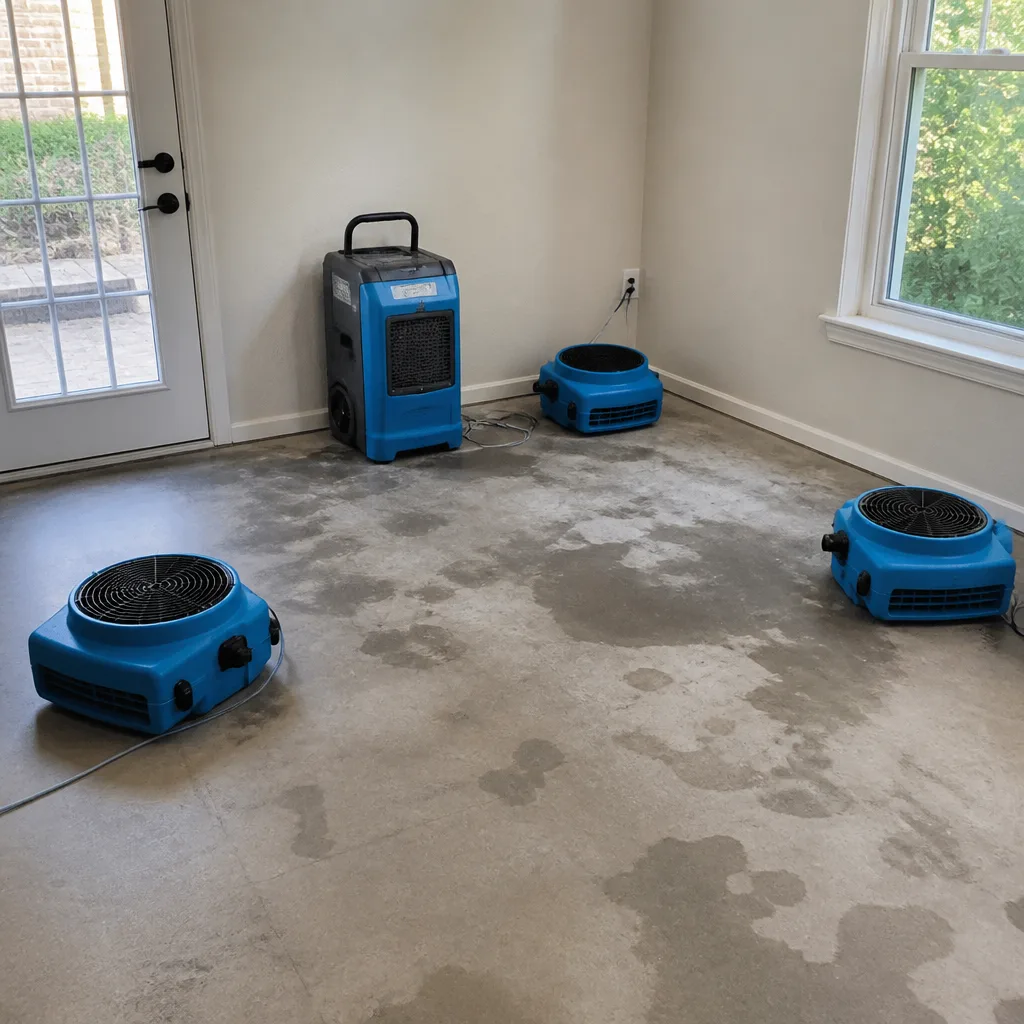
 Water damage drying
 Fire & smoke cleanup
 Mold remediation
 Storm response
 Sewage cleanup
 Reconstruction
Free visual inspection and a written scope of work before any mitigation begins - photos, moisture readings, and drying logs go in your claim file
The scope we write is the scope we bill. Anything new gets shown to you, in writing, before we touch it.
Get your free estimateFast, Reliable Water Damage Restoration Across Rosemead
Water damage in Rosemead moves fast, and so do we. Most residential water extractions in Rosemead run between $600 and $1,900, with structural drying adding $800 to $2,400 depending on how far the moisture traveled. If water is spreading through your home right now, call (626) 657-5106 and a live person answers, 24/7. Our Water Damage Restoration team knows Rosemead’s 1940s tract homes and post-war slabs well enough to find the source before tearing into the wrong wall.
Why Marsh Water Damage Pasadena Is Rosemead’s Preferred Water Damage Restoration Company
Rosemead homeowners call us because we do two things other restoration companies here often don’t: we separate real pipe breaks from groundwater wicking before cutting floors, and we tell you exactly who is walking through your door. Every Marsh technician arrives under the Threshold Verified standard. You get the tech’s name, photo, and badge ID on your phone before the visit, and they show a matching photo badge at the door. Not once, not on special jobs. Every job.
We’ve been doing this since 2005, led by Tobias Reyner, a name our Rosemead customers know from the work we’ve done on Delta Avenue, along Valley Boulevard, and in the neighborhoods near Garvey Avenue. Our reputation in Rosemead is built on showing up fast for emergencies and being honest when the problem is not what it looks like. That honesty means we do not cut into a slab because a puddle appeared. We moisture-map first.
Response time to Rosemead is a real number for us. Dispatch is coordinated from the brand’s Los Angeles office, and local crews are typically on-site in Rosemead within 45 to 75 minutes of your call. That matters when water is still moving.
Restoration work we handle
Water Extraction in Rosemead
Water extraction is the first physical step on nearly every Rosemead water damage job, and in this city it usually starts with a question: is the water coming from a pipe or from the ground? Rosemead’s expansive clay soil shifts with winter moisture, and in the southern part of the city near the San Gabriel River wash, water sometimes rises through slab cracks after heavy rains. That groundwater seepage looks exactly like a broken supply line to someone who is not looking for the difference. We start every extraction with moisture mapping and source identification before we pull baseboards or cut drywall.
For a straightforward Category 1 water extraction in Rosemead, a single room typically runs $600 to $1,300 using truck-mounted extraction units and commercial air movers. Multi-room floods, or water that reached wall cavities behind drywall, pushes the range to $1,400 to $1,900 before drying equipment is set.
Slab Leak Water in Post-War Homes
Rosemead’s post-war slab-on-grade homes hide plumbing under the concrete. When a galvanized line pinholes under a 1940s or 1950s slab, water rises through the floor with no visible source. Our techs use thermal imaging and moisture meters to trace the wet path, then we extract from the lowest point and set up drying fast. The clay soil under the slab holds that moisture longer than sandy soil would, so we run dehumidifiers longer on these jobs.
Clay Soil and Drying Time
Why does clay soil matter for extraction? Because it does not drain. Water that saturated the ground under a Rosemead slab during an El Niño winter keeps wicking upward for weeks after the rain stops. We see homes where the carpet is dry on top but the moisture content beneath the slab is still climbing. That is why our structural drying protocols in Rosemead run longer and our psychrometric readings, which measure the actual moisture in the air and materials, tell us when the floor is genuinely dry. Not when it feels dry on the surface.
Emergency Water Removal in Rosemead
Emergency water removal in Rosemead means getting water out before the city’s older building materials turn it into mold. Wet drywall in a 1960s home near the river wash, with the city’s dry-winter-then-rain pattern, can support mold within 48 hours if the water sits. Our crews arrive ready with extraction, containments, and drying equipment, because in Rosemead the damage clock starts the moment water touches gypsum board.
For emergency water removal in Rosemead, the response itself does not cost extra. Water extraction runs $600 to $1,900, and emergency after-hours dispatch is included in our standard pricing. We do not charge a premium because your pipe burst at 2 a.m. You will get a written price before any work starts. Always.
Supply Line Failures in 1940s Homes
Galvanized supply lines in Rosemead’s older homes corrode from the inside out. By the time a pinhole shows itself as a damp patch on a wall or a warped section of hardwood floor, Category 1 water has usually been moving through the wall cavity for days. We open the affected area, extract, and assess what is salvageable. The cavity needs air movement within hours, not days, to keep the framing from wicking moisture into adjacent rooms.
Groundwater Seepage vs. Broken Pipe
We got a call last March from a homeowner on Delta Avenue with water surfacing through the living room carpet. Our techs found no plumbing leak during moisture readings, but the moisture content was climbing from below the slab. We set up containment, ran a Phoenix dehumidifier and air movers, and confirmed it was groundwater wicking up through a crack after heavy El Niño rains, not a supply failure. So we repaired the slab and moisture barrier instead of excavating. That is the difference local knowledge makes.
Trusted Brands We Service in Rosemead
We run Dri-Eaz extraction units, Phoenix dehumidifiers, and XPOWER air movers on Rosemead jobs because these machines are built for the kind of long, slow drying that clay-soil homes need. We keep common replacement parts stocked locally for Rosemead customers, which means less waiting when a dehumidifier filter or an air mover motor needs swapping mid-job. Whether your home is a 1940s bungalow off Garvey Avenue or a Valley Boulevard commercial building, our equipment matches what national franchises deploy on large commercial losses, scaled to your living room.
See the difference
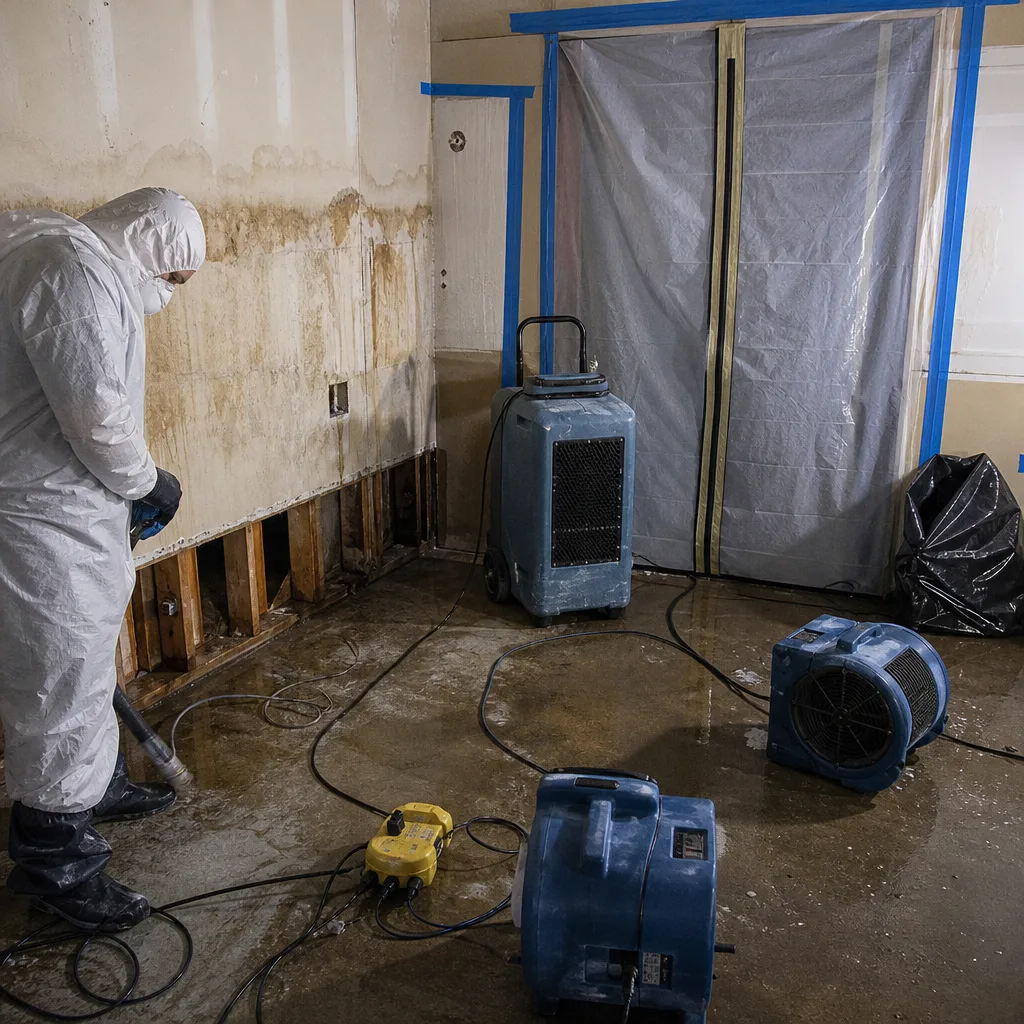 Before
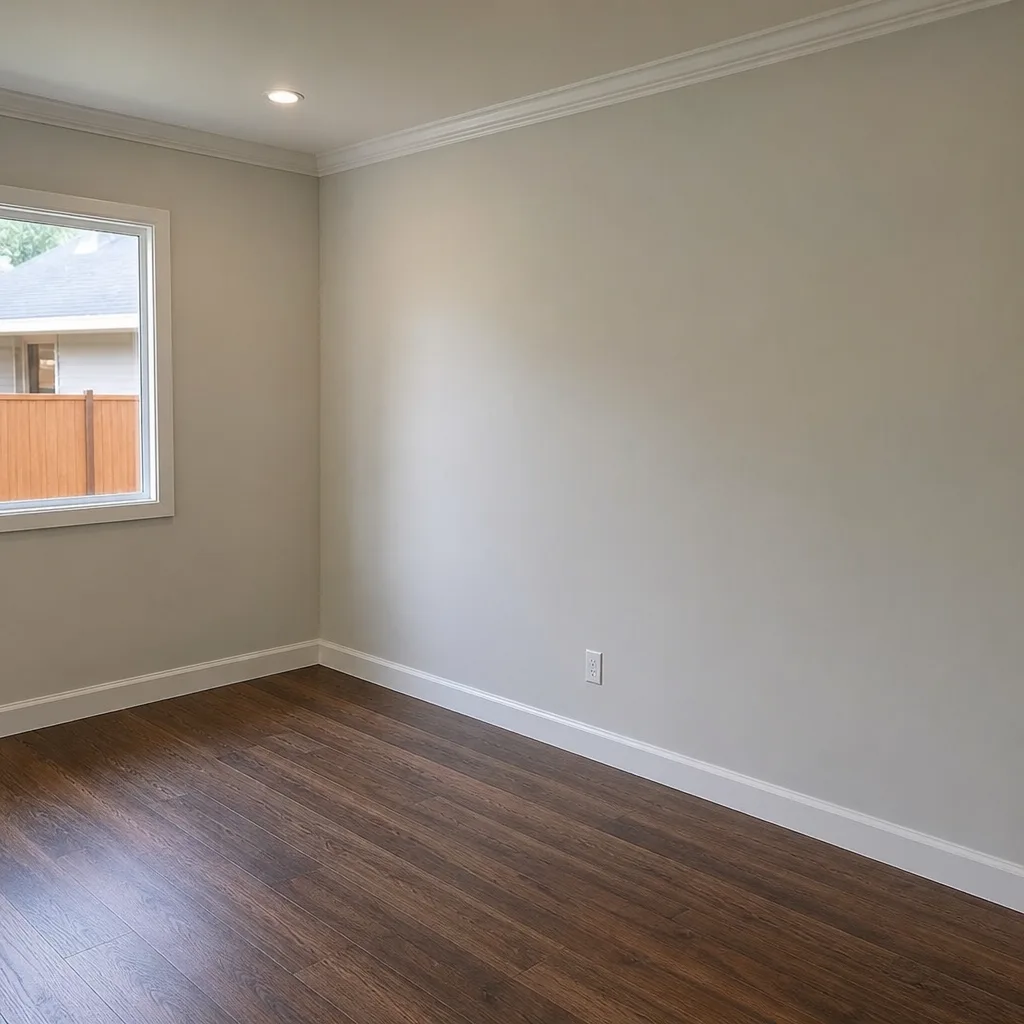
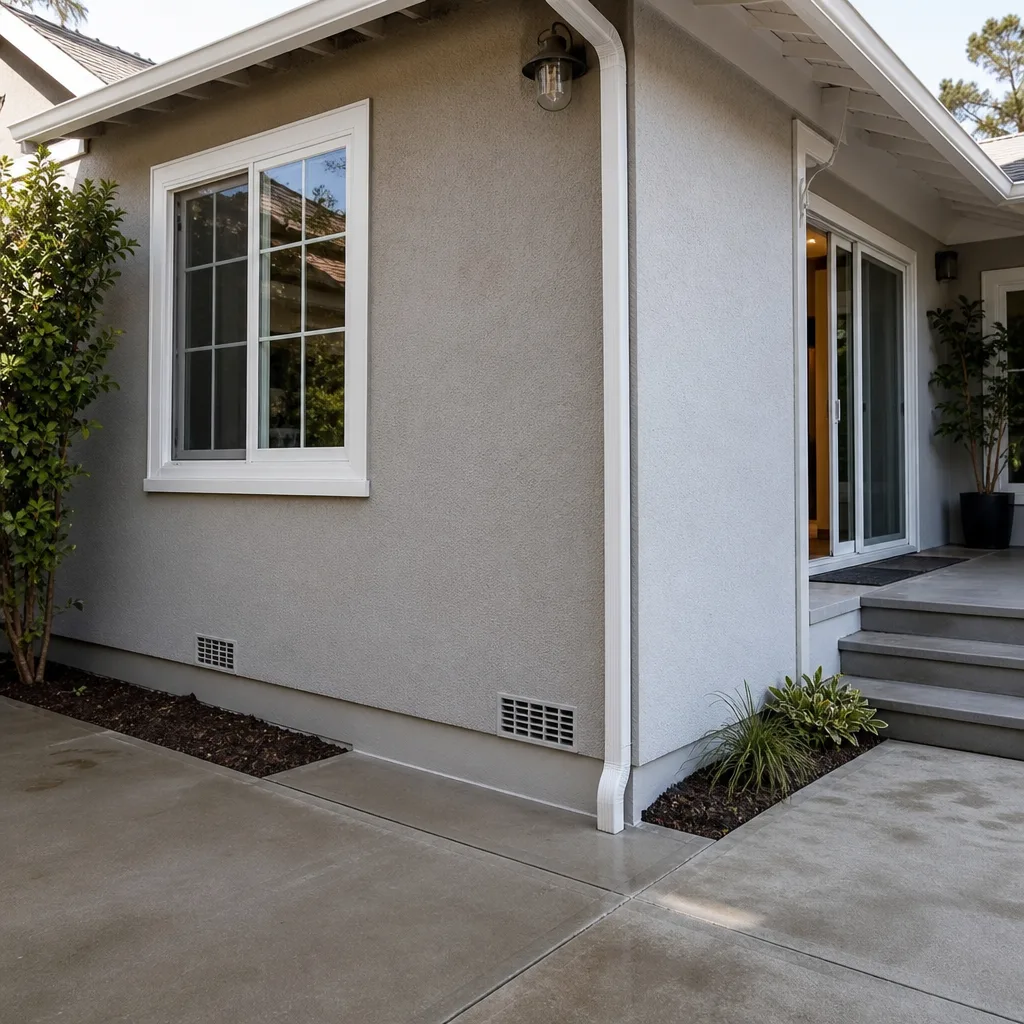 After
After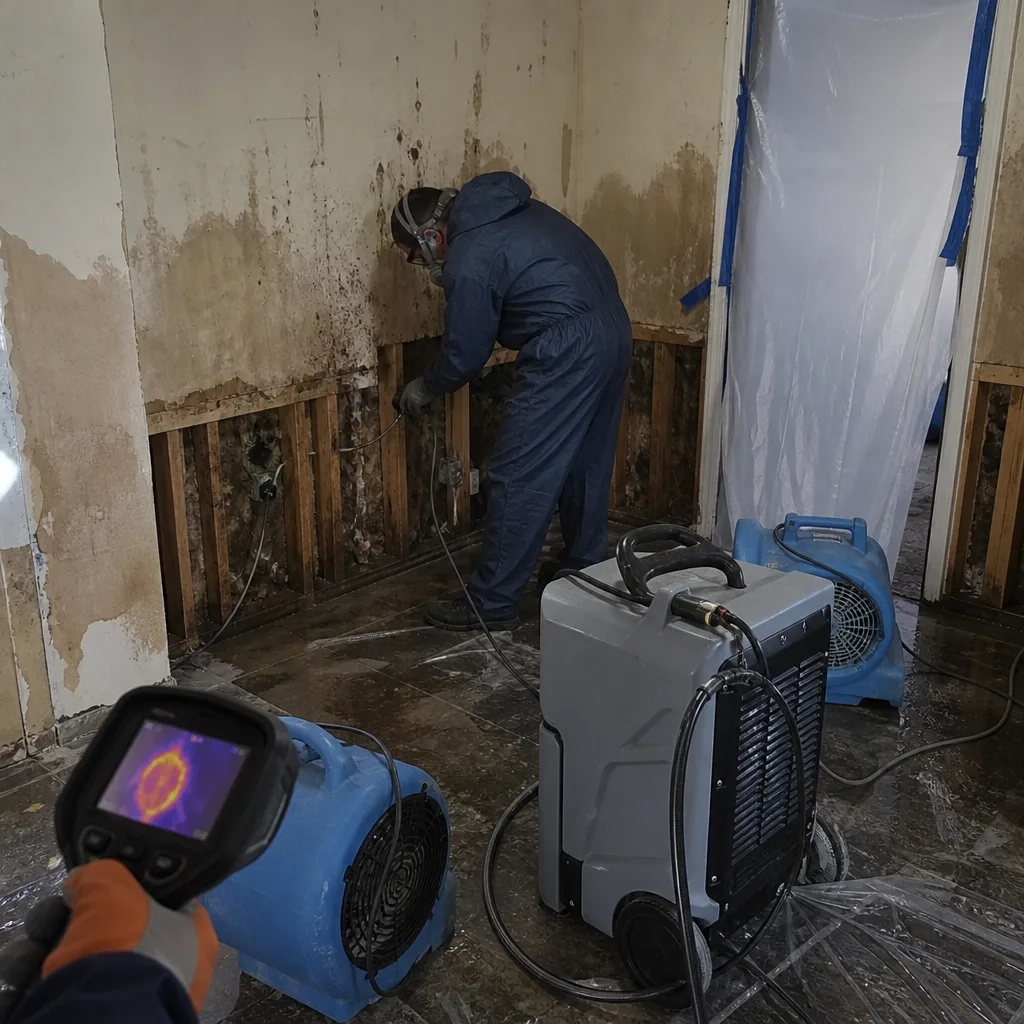 Before
 After
After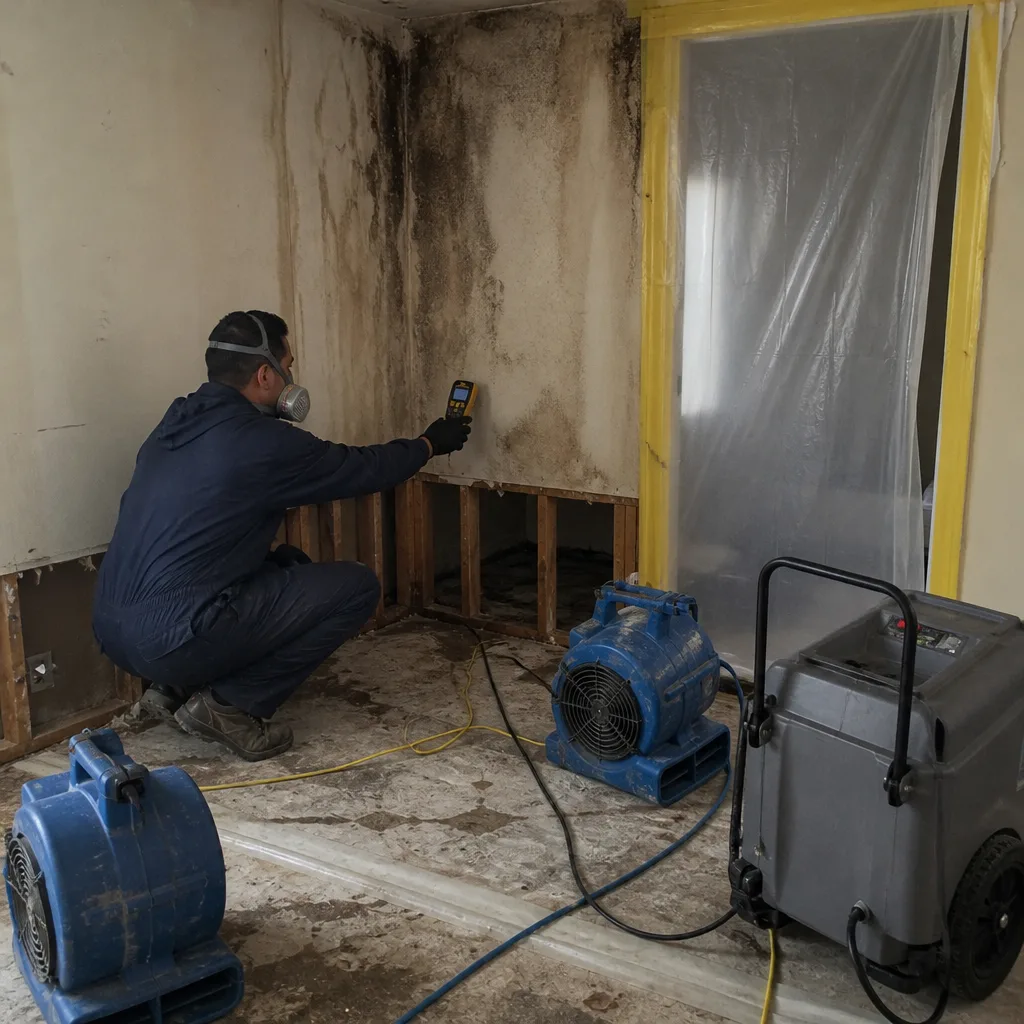 Before
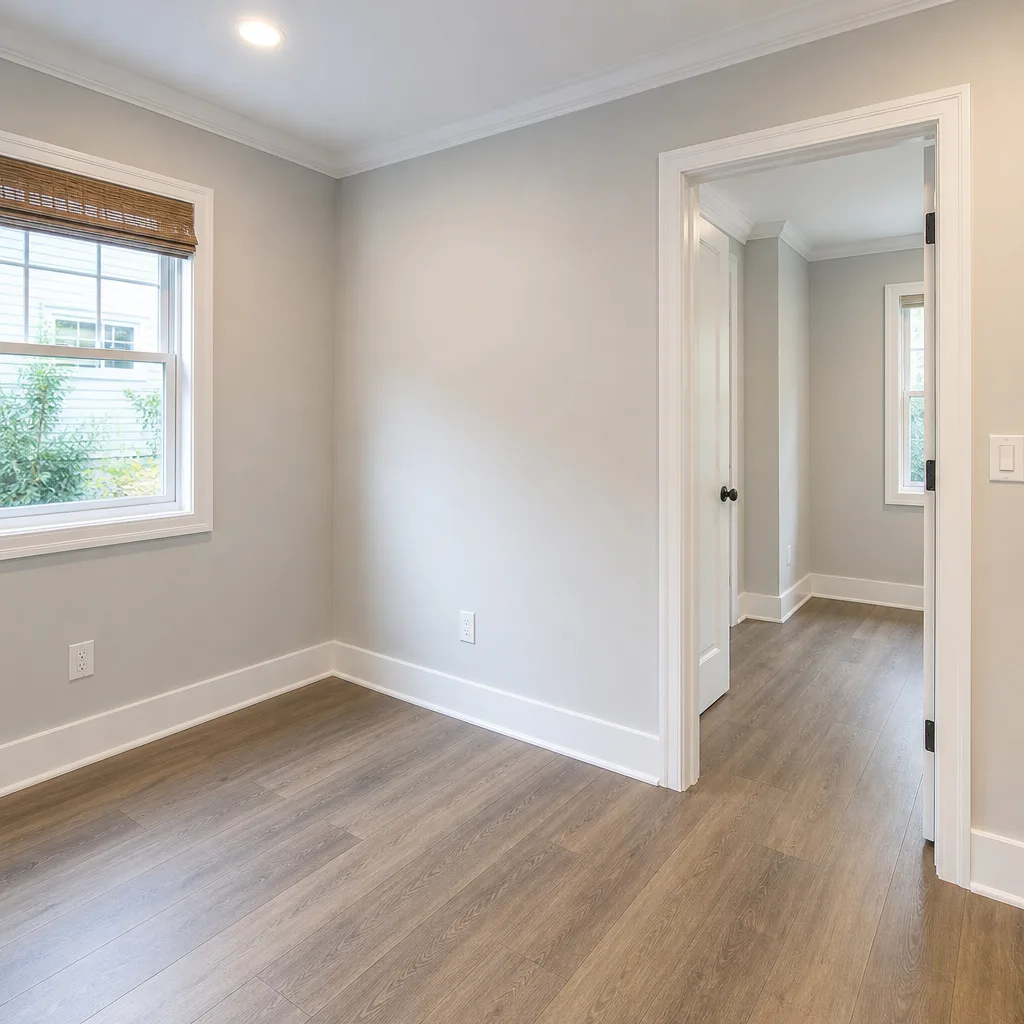 After
AfterCommon Water Damage Restoration Problems We See in Rosemead Homes
- Galvanized supply line pinholes under slab-on-grade homes. These 1940s to 1960s homes hide pipes in concrete, and when they fail, Category 1 water travels into wall cavities before anyone sees a stain. We find the source with thermal imaging before cutting.
- Clay sewer laterals cracking during wet winters. The same expansive clay that shifts Rosemead slabs also stresses 1950s clay sewer lines, causing Category 3 sewage backups through floor drains in older buildings along Valley Boulevard and Garvey Avenue.
- DIY fans on wet drywall near the river wash. Homeowners dry the surface, leave the cavity wet, and mold grows behind the wall within 48 hours. We see this most often in post-war homes where the owner tried to save money before calling us.
- Groundwater wicking after El Niño winters. The San Gabriel River wash corridor sees water rise through slab cracks after heavy rain. Without moisture mapping, this is misdiagnosed as a pipe break and homeowners pay for plumbing work that was never needed.
Pricing for Water Damage Restoration in Rosemead, CA
Water extraction on a single room in Rosemead starts around $600 and runs to $1,300. Whole-home floods or water that wicked into wall cavities range from $1,400 to $1,900 for extraction alone. Structural drying, including dehumidifiers and air movers, adds $800 to $2,400 depending on square footage and how long the water sat before we arrived. Slab leak jobs on Rosemead’s post-war homes sometimes require additional containment and longer drying cycles because of the clay soil, so the high end of the drying range is more common here than in cities with sandy subsoil. Estimates are free. Call (626) 657-5106 and we will give you a written price before any work begins, not after demo starts.
We Also Serve Cities Near Rosemead
Our crews serve Rosemead and the surrounding San Gabriel Valley cities daily, including South El Monte, El Monte, Temple City, and Alhambra. If you are just outside Rosemead and dealing with water damage, call us and we will tell you honestly whether we can get to you fast enough to matter.
Serving Rosemead, CA - Our Local Coverage Area
We’re based in the Rosemead area and know this community well. Use the map below to see our service coverage - if you’re nearby, we can almost certainly help.
FAQs About Water Damage Restoration in Rosemead
Clay soil changes where the water sits, not the speed at which we start. We begin structural drying the same day we extract, but Rosemead’s clay subsoil holds moisture longer and wicks it back into the slab over a longer period, so we run dehumidifiers and air movers for more days than we would in a city with sandy or well-drained soil. Expect drying on a post-war slab leak in Rosemead to take 4 to 7 days rather than 3 to 5. Call (626) 657-5106 for an exact timeline on your home’s floor plan and soil zone.
Yes, and in Rosemead’s 1940s to 1960s homes it often does, because supply lines run through wall cavities, and by the time water is visible on the surface, the cavity has been wet for days. Category 1 water is clean at the source, but if it has saturated drywall and insulation, those materials must be opened, removed, and dried to stop mold before it starts. We preserve what is salvageable and cut out only what is not.
Groundwater seepage through a slab crack is not a plumbing failure at all. It rises from the ground after heavy winter rains saturate Rosemead’s clay soil. A broken pipe leaks continuously and usually traces back to a supply line or drain line under pressure, while groundwater wicking is tied to recent rain and shows moisture climbing from below the slab rather than spreading from a single point. We use moisture mapping and thermal imaging to tell the difference before any cutting happens, which saves Rosemead homeowners from paying for plumbing excavation they never needed.
Yes. Valley Boulevard’s older masonry and wood-frame commercial buildings have flat or low-slope roofs that hold water after storms, and the wall assemblies in these buildings often include materials that trap moisture differently than residential drywall. We run low-grain refrigerant dehumidifiers longer in these spaces and set up containment differently because commercial kitchens, retail stock, and sealed floor coverings change how air moves through the structure.
We match what exists by sourcing period-appropriate materials from local salvage and specialty suppliers in the San Gabriel Valley, and when an exact match is not available, we document the difference and give you options before any replacement is installed. Your 1940s home will not get a modern material substitution without your written approval, and the 365-Day Done Right Promise covers the work for a full year after we finish. If anything fails in that window, a second visit is free, automatically.
Written by Tobias Reyner, Owner at Marsh Water Damage Pasadena, serving Rosemead since 2005.