
 Water damage drying
 Fire & smoke cleanup
 Mold remediation
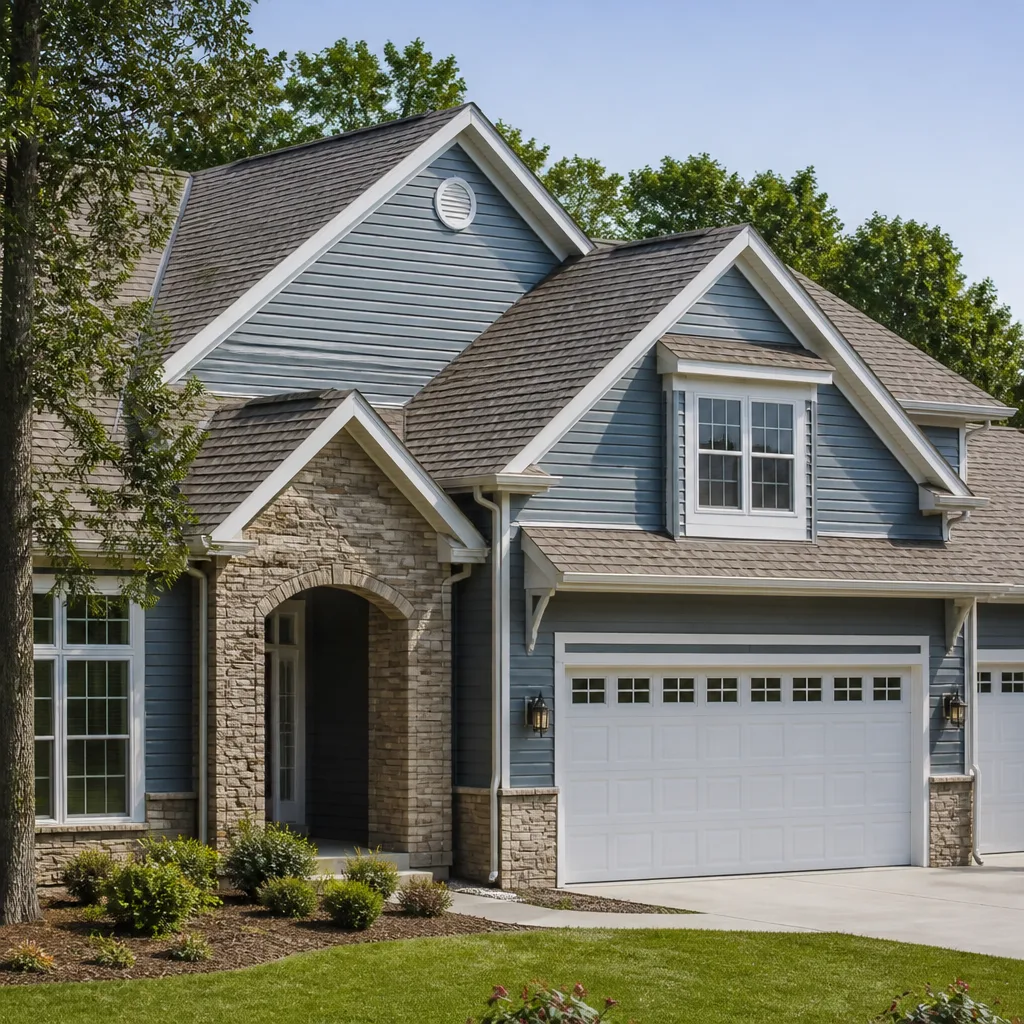 Storm response
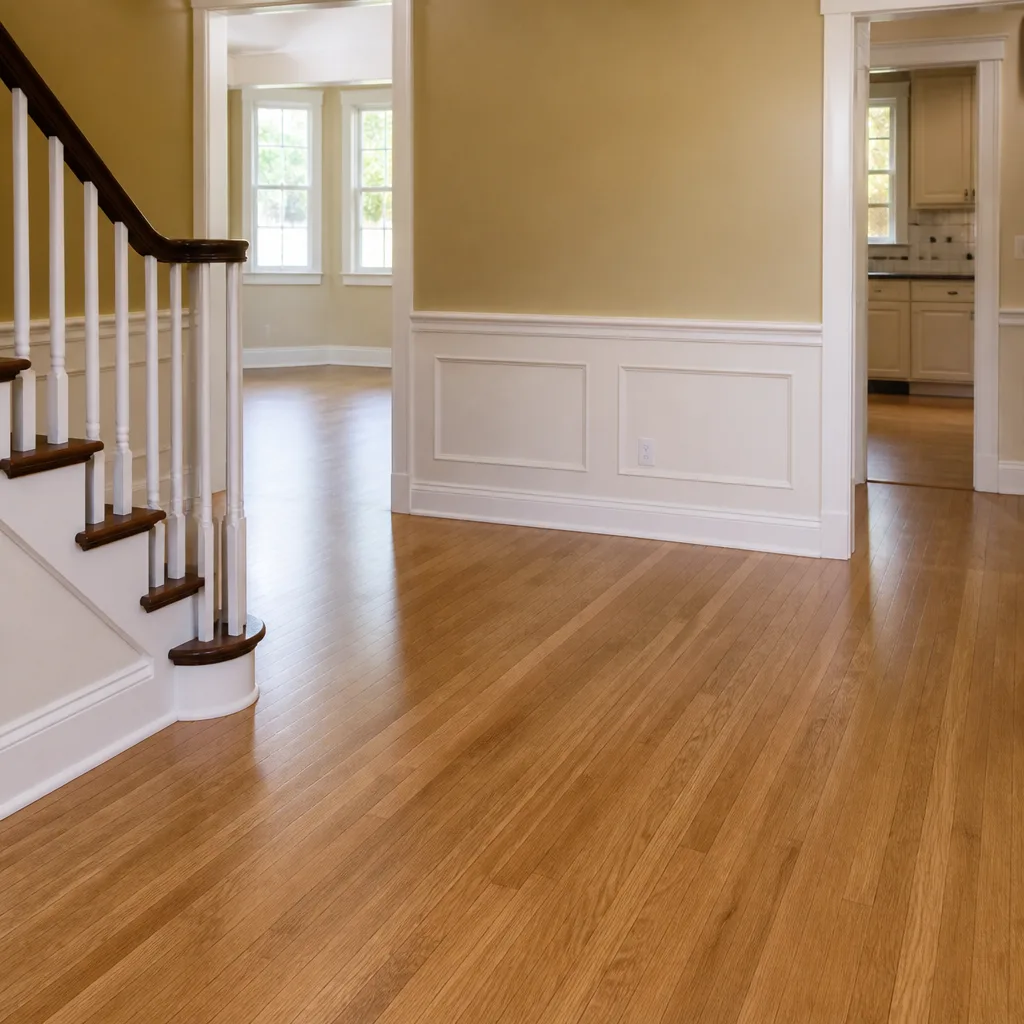 Sewage cleanup
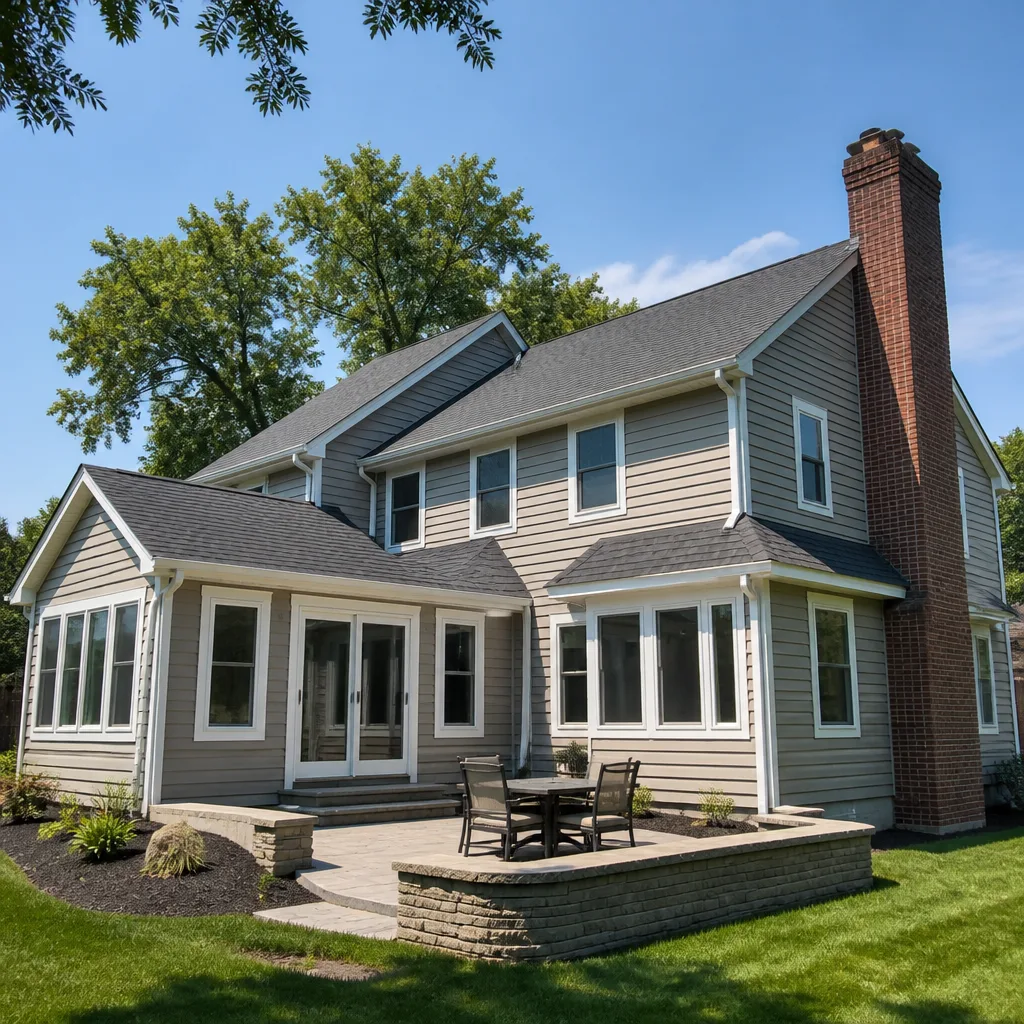 Reconstruction
Free visual inspection and a written scope of work before any mitigation begins - photos, moisture readings, and drying logs go in your claim file
The scope we write is the scope we bill. Anything new gets shown to you, in writing, before we touch it.
Get your free estimateFast, Reliable Storm Damage Restoration Across Koreatown
When a storm tears through Koreatown, water finds its way into places it was never meant to go. We are the Storm Damage Restoration team at Storm Damage Restoration, and we respond to flooded apartments, roof leaks, and water intrusion across Koreatown seven days a week. Our crews know the tight alleyways off Western Avenue, the parking constraints on Wilshire Boulevard, and the way water moves through a 1940s walk-up on South Harvard. Call (626) 657-5106 and a live person answers. Not a voicemail. Not a callback queue. A person who can dispatch a crew to Koreatown immediately.
Why Marsh Water Damage Pasadena Is Koreatown’s Preferred Storm Damage Restoration Company
Koreatown is not like other Los Angeles neighborhoods. The housing stock is older, denser, and built to different codes than what you find in the Valley or on the Westside. Our crews have worked in buildings along Wilshire Center, around Lafayette Park, and up through the blocks near the 101. We know that a storm drain backup on 6th Street can flood three units in an hour, and we know which buildings still have original galvanized pipes that fail under pressure. We also know how to navigate building management, rent-control documentation, and the parking realities that make Koreatown jobs different.
Every technician who arrives in Koreatown is background-checked, identity-verified, and sent to you by name and photo before the visit. That is the Threshold Standard, and it is not optional. When a uniformed tech knocks on your door on South Normandie or Mariposa Avenue, they show a photo ID badge first. Every time. Tobias Reyner leads our team, and he built this company in 2005 around a simple idea: a homeowner should always know exactly who is walking in, what it will cost, and what happens if the repair is not right. That is why every job gets a written price before work starts and a written guarantee on every repair, backed by our 365-Day Done Right Promise.
Restoration work we handle
Flooded House in Koreatown
A flooded house in Koreatown is never a small thing. When storm water pours into a 1930s stucco fourplex near Wilton Place, it does not stay in one unit. It travels. Through plaster walls, under original hardwood floors, into the unit below. We respond to flooded houses in Koreatown by setting containment first, then extracting water with truck-mounted equipment, then mapping moisture with thermal imaging so we know exactly how far the water went. Most residential water extractions in Koreatown run between $1,800 and $4,200 before drying equipment is set, depending on the square footage and how many units are affected.
Extraction and containment in dense housing
In a Koreatown mid-rise, containment is non-negotiable. If we start pulling water without sealing off the affected unit, we risk pushing moisture into shared wall cavities and adjacent rent-controlled apartments. That is a cross-contamination problem no one wants. We set up negative air pressure and plastic sheeting in the narrow hallways before we ever turn on an extractor.
What to expect in the first two hours
We arrive, we walk the affected areas with you, and we give you a written scope of work. No demo starts until you have that number in writing. Then we extract, set drying equipment, and document everything with photos. If your insurance company is involved, those photos go directly to your adjuster so you do not have to chase anyone.
Flood Restoration in Koreatown
Flood restoration in Koreatown means more than drying out a wet carpet. It means knowing that a storm drain backup on 8th Street can saturate the subfloor in a ground-floor unit, and that the same subfloor might contain asbestos in the original flooring. It means understanding that the building next door shares a wall cavity with yours, and that water does not respect property lines. Full flood restoration in Koreatown, including extraction, structural drying, and repairs to damaged drywall and flooring, typically runs $3,500 to $9,000 depending on the extent of the damage and whether asbestos abatement or multiple units are involved.
Structural drying in older Koreatown buildings
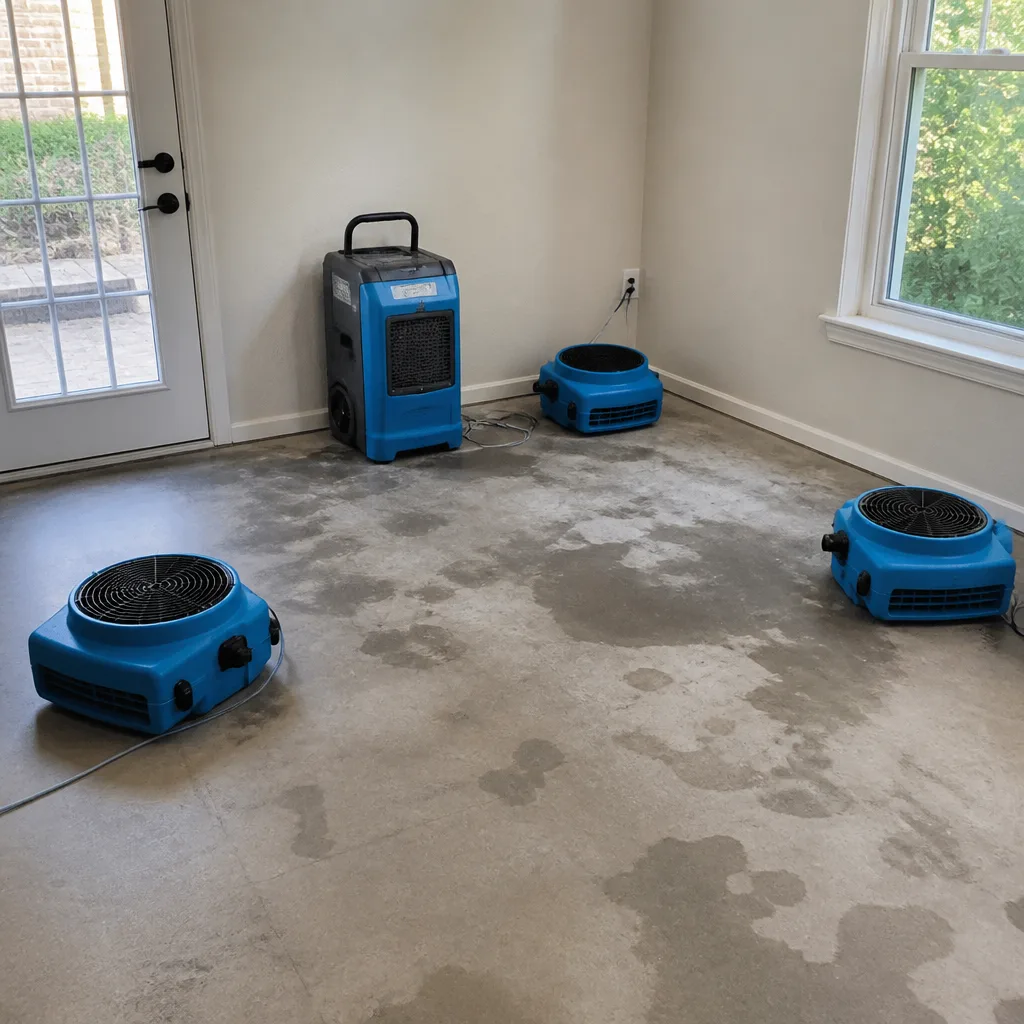
We use psychrometric readings (measuring the moisture in the air) to tell us when a structure is genuinely dry, not just dry on the surface. In our experience with Koreatown’s 1920s and 1930s buildings, plaster and lath hold water differently than modern drywall. The wood framing in these buildings has been drying and swelling for almost a century. We know how long it takes, and we do not rush the process.
Restoration, not just extraction
Once the water is out, the repair work begins. That can mean replacing damaged plaster, refinishing hardwood floors, or rebuilding a ceiling that collapsed from water weight. We coordinate everything in writing, and the same crew that extracts the water can handle the rebuild. The 365-Day Done Right Promise covers it all: if the repair is not right within a year, we come back and make it right. Free second visit included.
Trusted Brands We Service in Koreatown
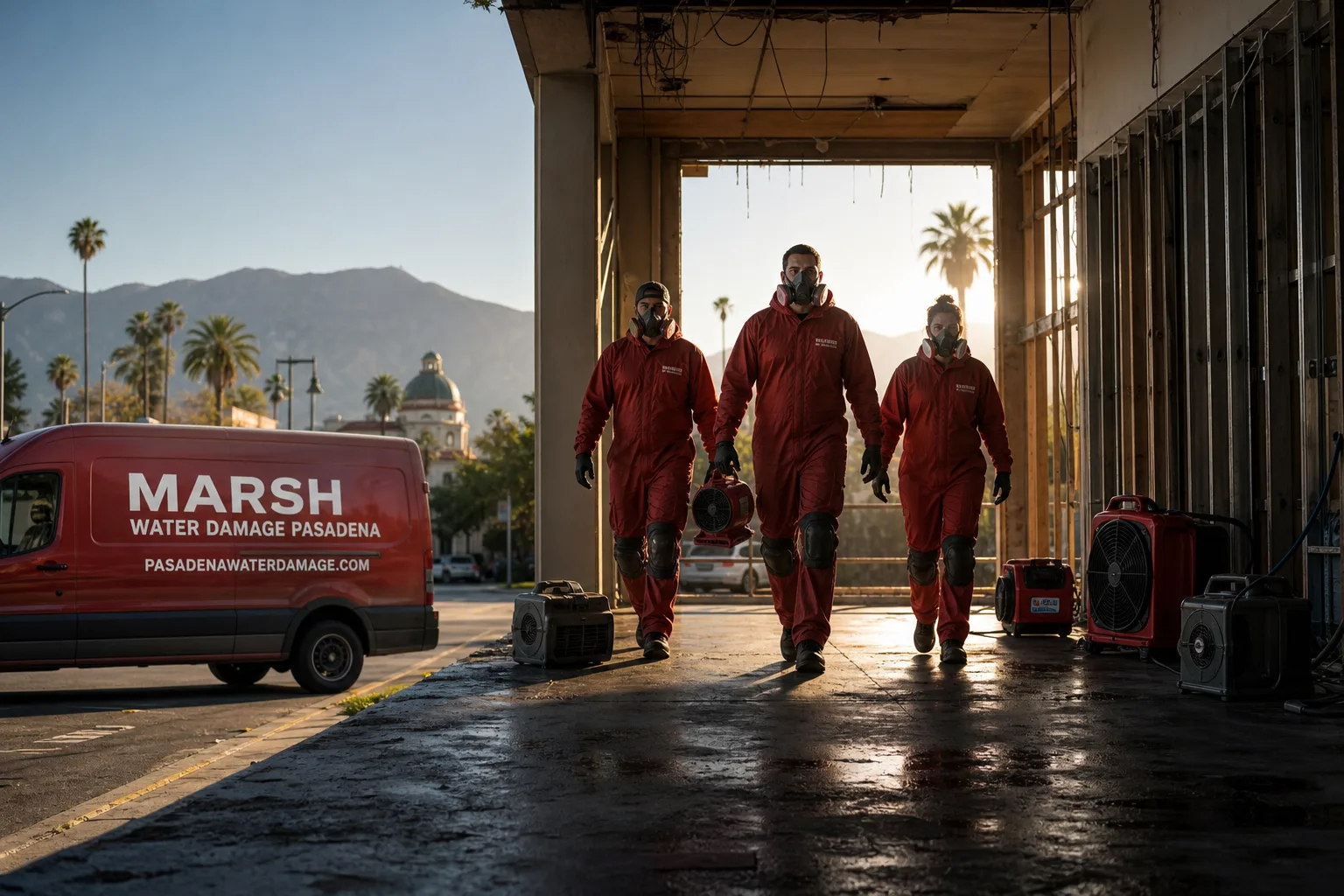
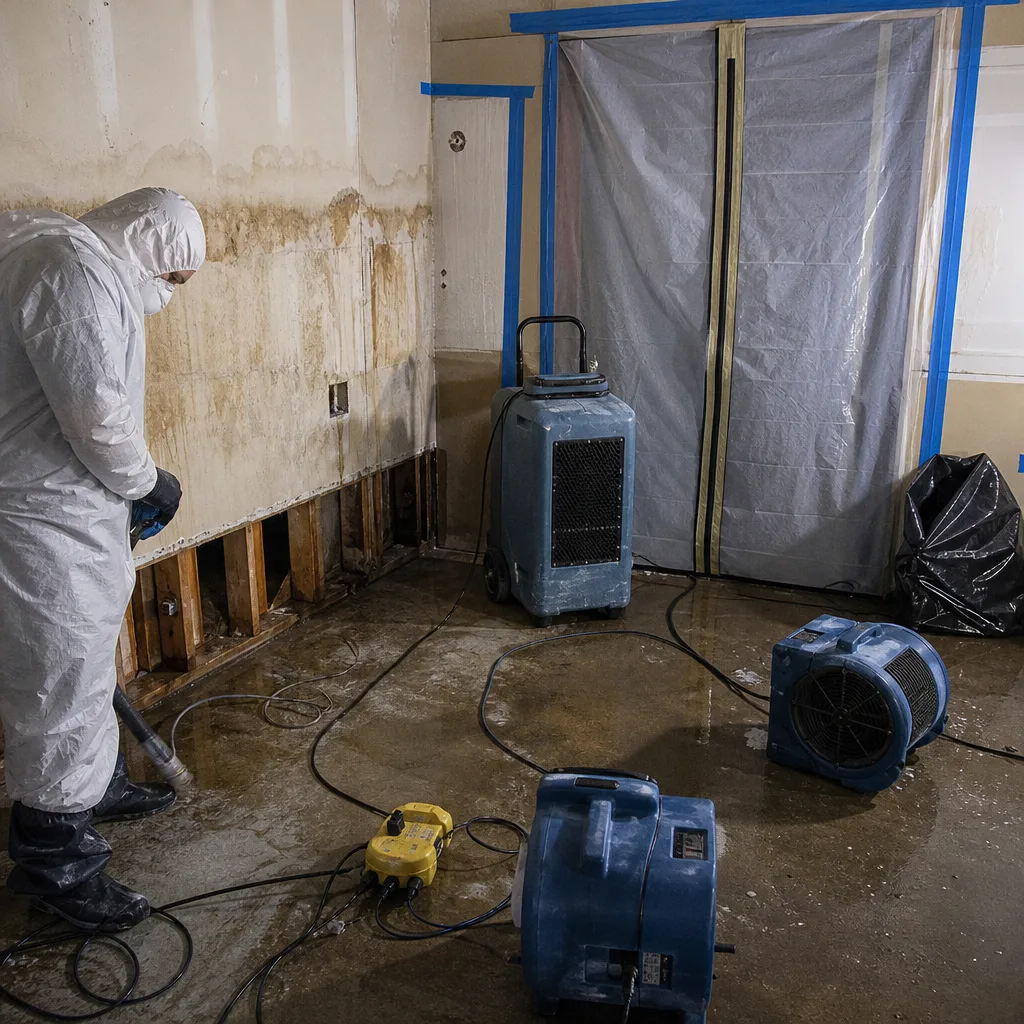
We work on all major storm damage and water restoration systems in Koreatown homes, and we stock local parts so repairs do not wait on shipping. Our drying equipment includes Dri-Eaz dehumidifiers, XPOWER air movers, and Phoenix axial fans, the same commercial-grade gear used on large losses. On a rainy week in the Wilshire Center corridor, our crew responded to a third-floor leak in a 1940s stucco walk-up on South Harvard Boulevard. We set up containment in the narrow hallway, ran moisture mapping with thermal imaging, and found category 2 water had saturated the ceiling and walls down to the first-floor unit. Using Dri-Eaz dehumidifiers and XPOWER air movers, we completed structural drying to pre-loss condition while coordinating pack-out of the affected renter’s belongings under the building’s tight parking constraints. That is what a Koreatown storm damage job actually looks like.
See the difference
 Before
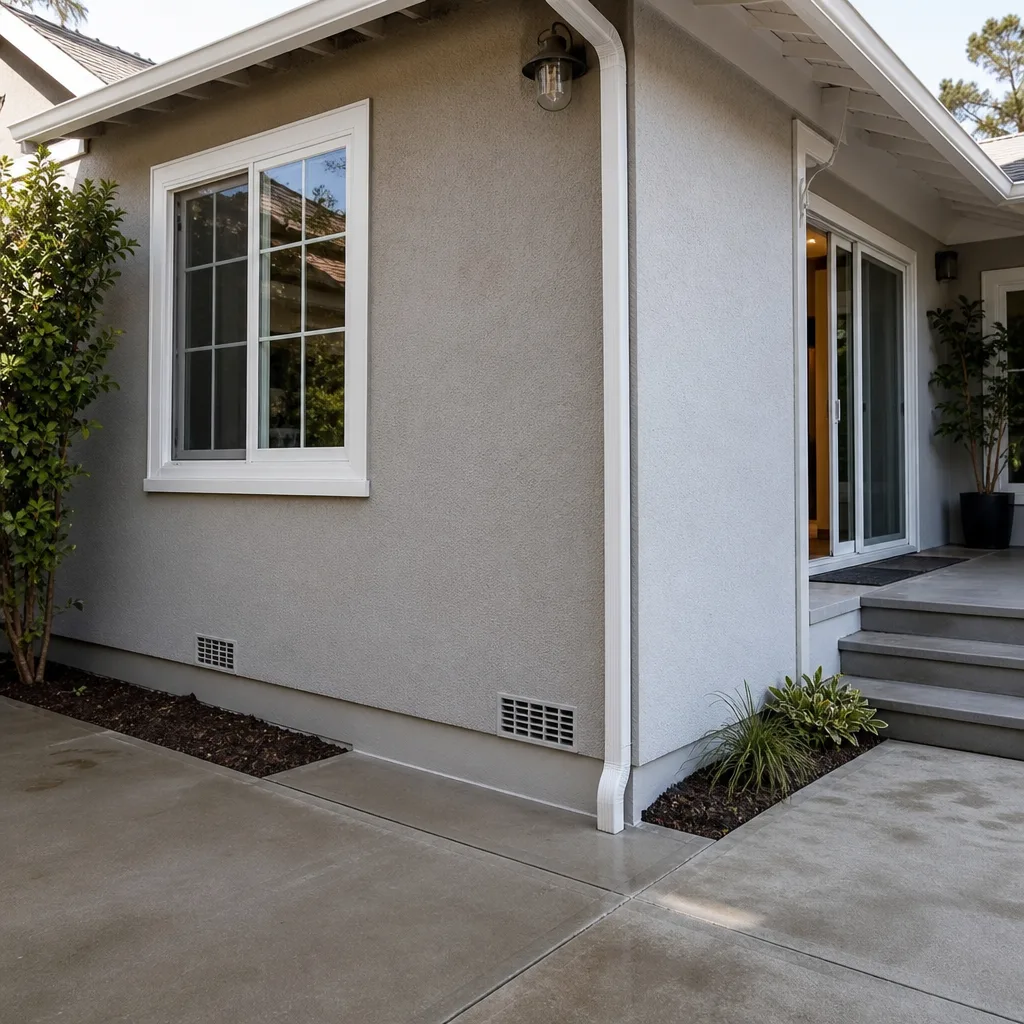 After
After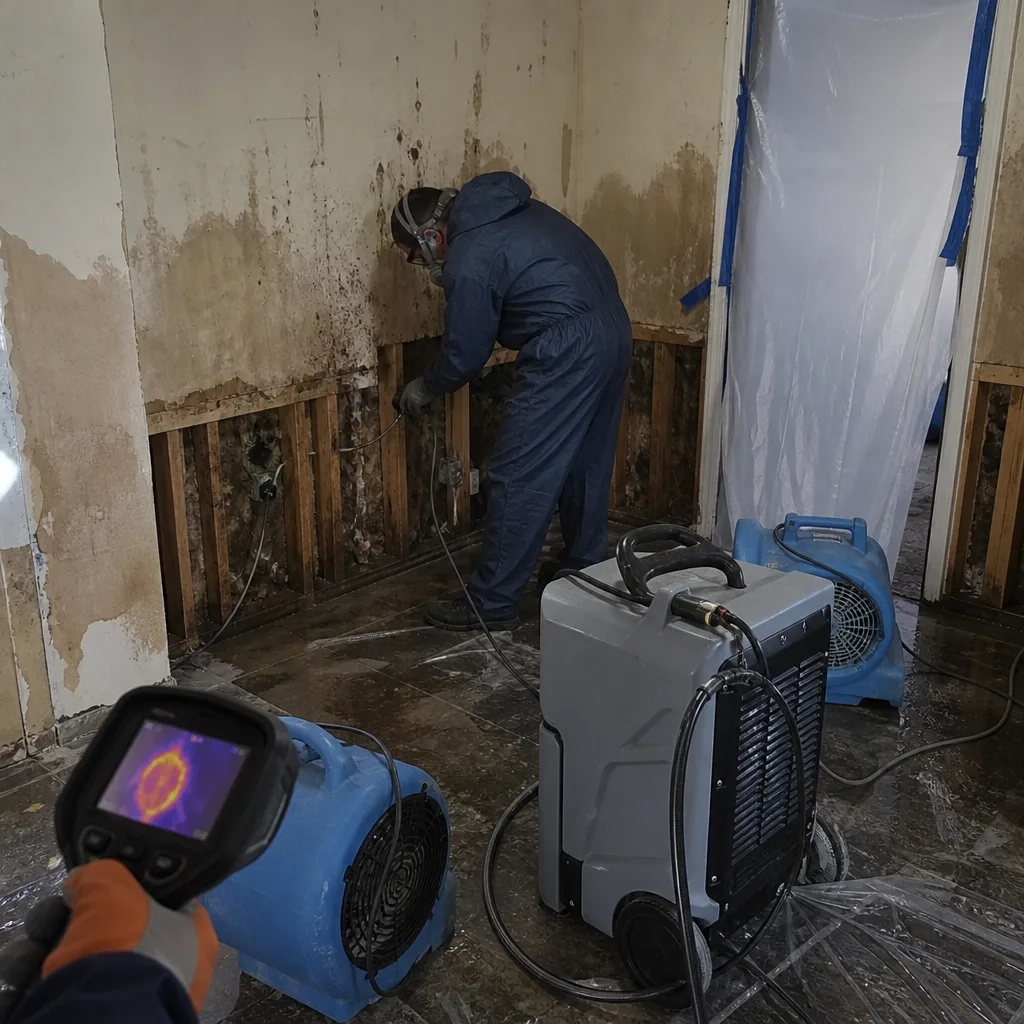 Before
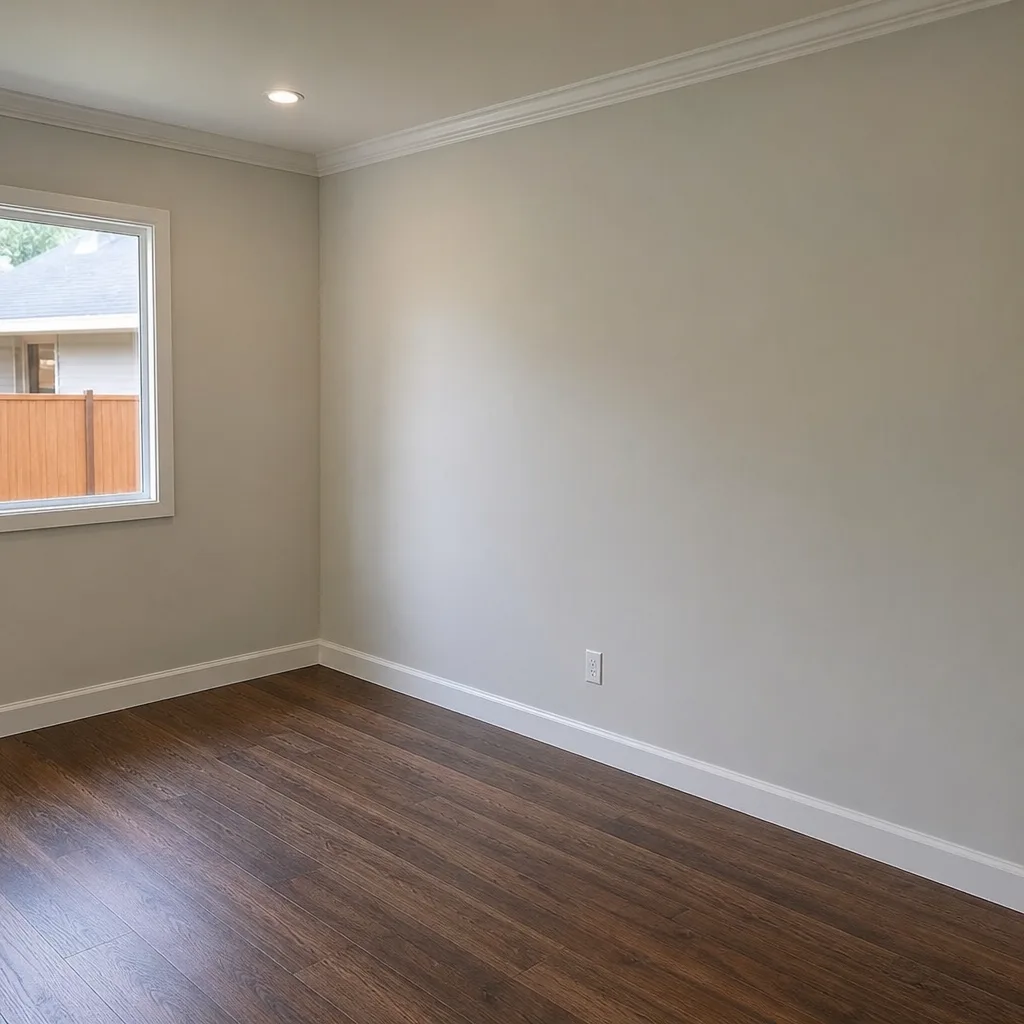 After
After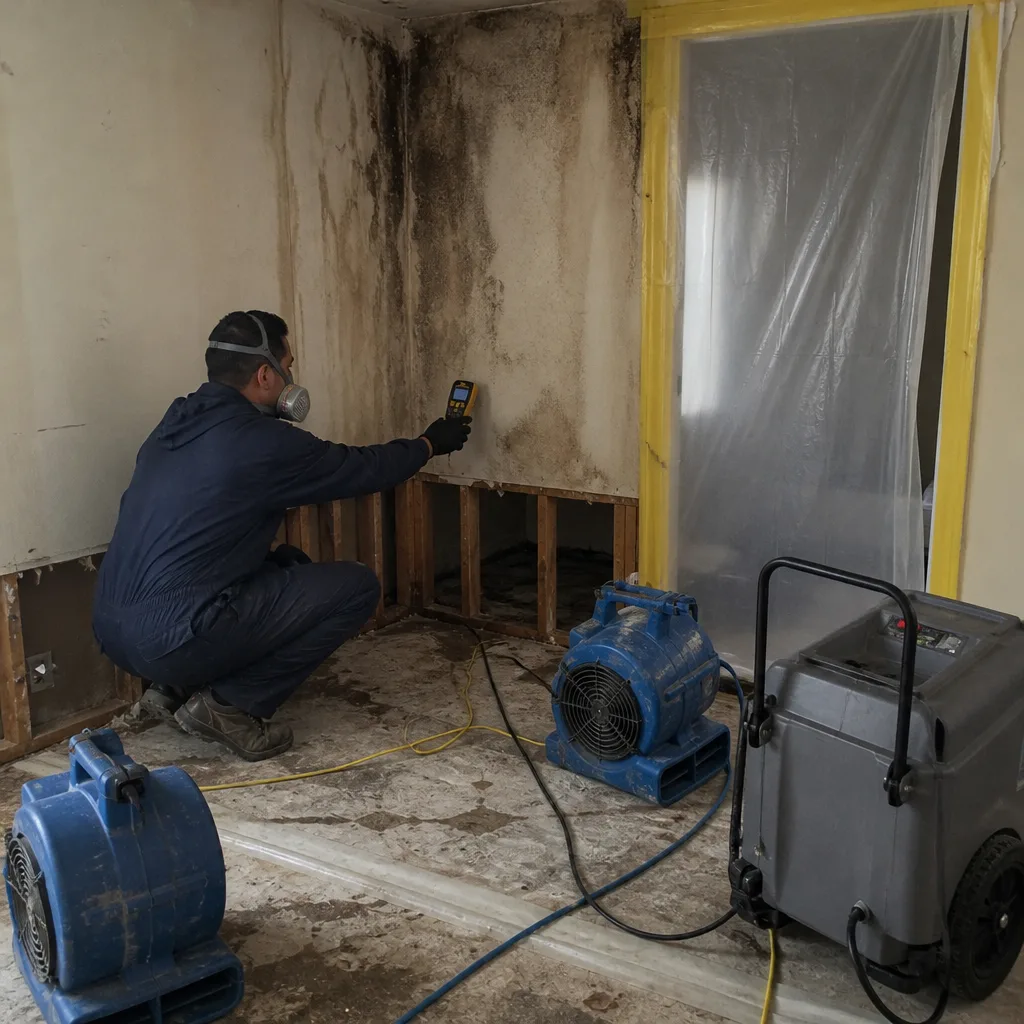 Before
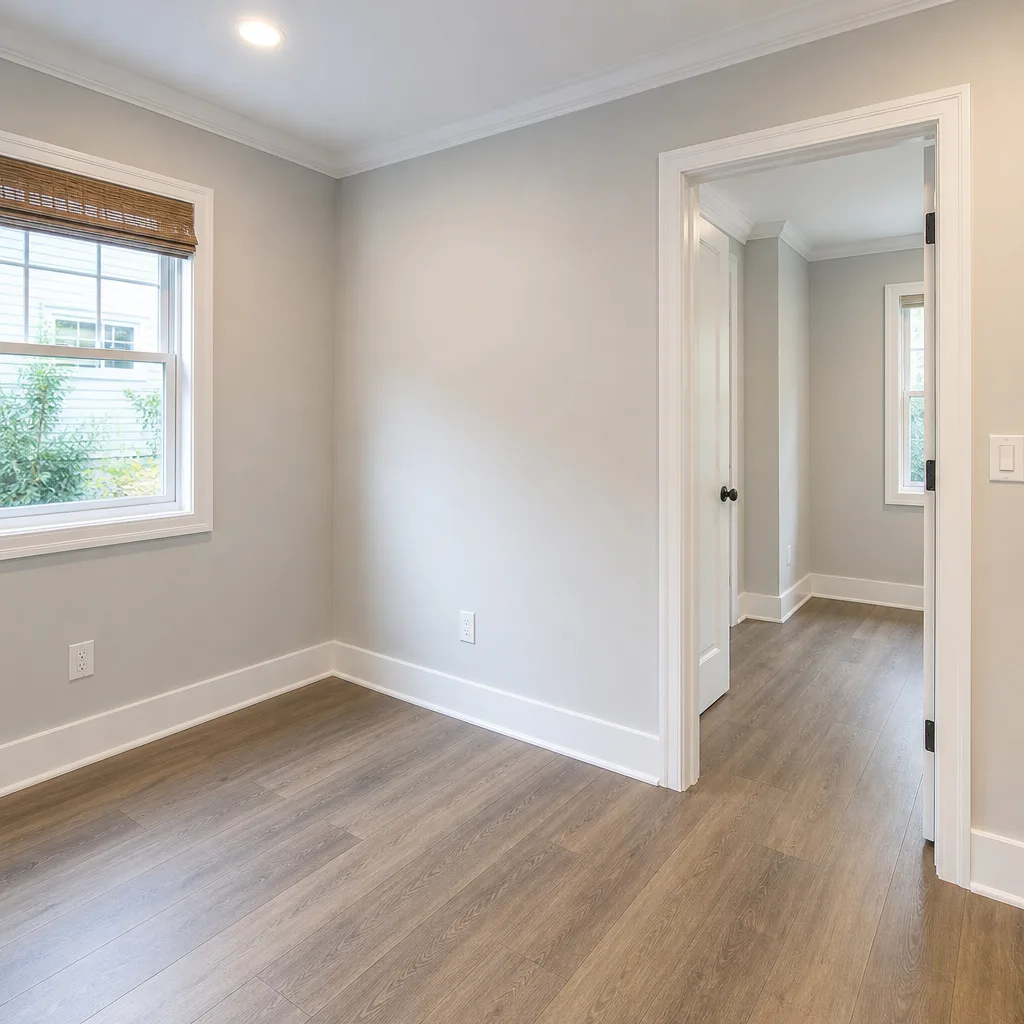 After
AfterCommon Storm Damage Restoration Problems We See in Koreatown Homes
- Multi-unit water travel: In a 1960s Koreatown apartment building, a roof leak on the top floor routinely shows up as water stains on the ceiling two floors down. We trace the water path, not just the visible damage.
- Asbestos-era materials: Original flooring and ceiling texture in Koreatown’s older buildings often contain asbestos. Cutting into storm-damaged areas without testing first can trigger a stop-work order and delay the entire restoration.
- Parking and access constraints: Equipment needs to be staged in a single narrow alley or a metered space on Wilshire. We coordinate with building management on load-in before we arrive, so nothing gets ticketed or left on the street.
- Shared wall cavity contamination: Starting water extraction without full containment in a dense building can push moisture into rent-controlled units next door. That creates liability for the building owner and a bigger repair bill for everyone.
Pricing for Storm Damage Restoration in Koreatown, CA
Storm damage restoration in Koreatown follows a predictable pricing structure, and we believe you should know the numbers before you call. Water extraction alone runs $1,200 to $2,800 for most Koreatown apartments. Structural drying adds $1,500 to $3,500 depending on how many rooms and how long the drying takes. Repairs, including plaster replacement, flooring, and painting, typically land between $2,000 and $6,000. If asbestos abatement or multiple units are involved, the total scope grows accordingly. We give you a written price before any work starts, and that price does not balloon after demo begins. Call (626) 657-5106 for a free estimate, and we will walk through the numbers line by line.
We Also Serve Cities Near Koreatown
Our storm damage restoration crews serve Koreatown and the surrounding area, including Pasadena, Glendale, Arcadia, and Monrovia. If you are in one of those cities and dealing with water intrusion, the same Threshold Verified standard applies. You can learn more about our local coverage at Storm Damage Restoration in Koreatown. Dispatch and scheduling are coordinated from the brand’s Los Angeles office; crews serve Koreatown locally.
Serving Koreatown, CA - Our Local Coverage Area
We’re based in the Koreatown area and know this community well. Use the map below to see our service coverage - if you’re nearby, we can almost certainly help.
FAQs About Storm Damage Restoration in Koreatown
In Koreatown, rent-control documentation and asbestos abatement protocols are part of the job. When water damage affects a unit in a rent-controlled building, the owner is legally required to document the loss and the restoration work, and that documentation can affect the unit’s rental status. We provide detailed photo documentation and written scope reports that building managers can submit with their rent-control filings, and we test for asbestos in original flooring or ceilings before cutting into anything.
The damage travels down, and we treat the entire vertical stack as one job. We extract water from the top unit, set containment to protect lower units, and map moisture through the walls and ceilings of every affected floor. Each unit gets its own written scope of work and drying log, which matters for insurance claims and rent-control documentation. Call (626) 657-5106, and we will coordinate access with building management so no resident is left guessing.
Often, yes. Plaster and lath can usually be dried in place if we get to it before mold sets in and the plaster is not structurally compromised. We use controlled drying with Dri-Eaz dehumidifiers and XPOWER air movers, monitoring moisture levels in the wall cavities with thermal imaging. We cut only what must be cut, and we always explain why before making a single opening.
We treat the garage or basement as the lowest point of the building, which means groundwater and storm runoff accumulate there first. We extract the standing water, set drying equipment, and check for structural damage to common walls and support posts. Because these spaces are shared, we coordinate with the building manager on access and provide a written report that covers the common areas, not just individual units.
The three we see most often in Koreatown are: water that starts on an upper floor and is not contained before it spreads to lower units, asbestos that is disturbed before testing and triggers a stop-work order, and equipment that is staged on the street because no one coordinated load-in with building management and gets ticketed. All three are avoidable with a crew that knows Koreatown’s buildings. We have crews that know Koreatown’s buildings. Call (626) 657-5106 for a free estimate.
Written by Tobias Reyner, Owner at Marsh Water Damage Pasadena, serving Koreatown and the surrounding Los Angeles area since 2005.